

Lead Provider of Environmental Test Chamber


 Posted on
24 04 2026
Posted on
24 04 2026


Salt spray chambers hold a vital place in corrosion testing. They mimic harsh environmental conditions to check how well materials endure extended exposure. These chambers produce a managed saline fog setting that speeds up corrosion. This lets makers gauge product toughness in mere days instead of years. Reliability matters most. Keeping steady temperature, moisture, and salt levels makes sure test outcomes remain repeatable and comparable among samples. Small shifts in these elements can cause big differences in corrosion speeds. Such changes weaken data trustworthiness and boost retesting expenses.
Salt spray chambers serve as essential devices for confirming the corrosion resistance of coatings, metals, and surface finishes. They copy real-life settings like sea or factory air to judge product results before launch. Steady test settings are crucial for dependable corrosion resistance info. Any unevenness can skew the review of protective layers or metal blends. Changes in temperature, moisture, or salt amount can warp findings. Thus, calibration and upkeep are key to secure exact measurements.
The link between test accuracy and cost ties closely to equipment function. Routine calibration ensures exactness. However, it raises running costs via technician hours and device stoppages. Power use from heating parts and air flow setups forms another big expense source. Plus, salt needs and water handling add to steady costs that build up over time. Poor air flow or heating setups heighten changes in test outcomes. At the same time, they squander power. This lifts both ecological effects and testing expenses.
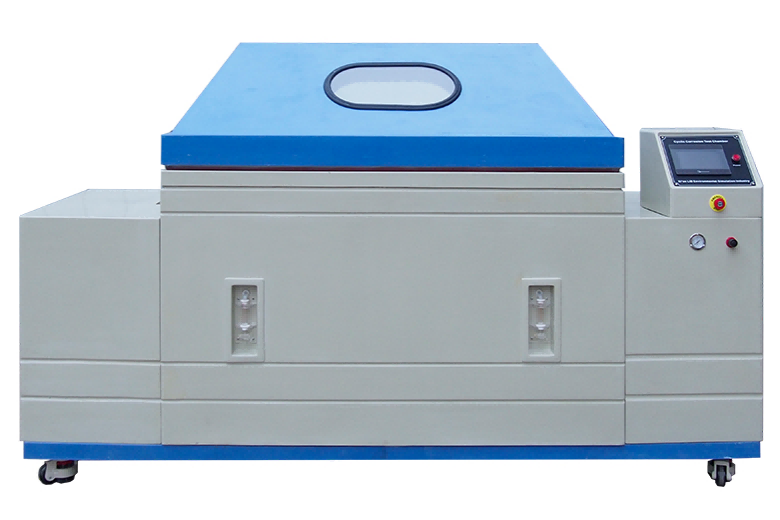
New developments have changed old salt spray chambers into very exact tools. These tools can hold almost ideal environmental steadiness over long testing periods.
Today’s salt spray chambers use digital sensors. These sensors keep watch on temperature, moisture, and salt levels with great care. They allow ongoing checks to cut down shifts during drawn-out tests. This proves vital when assessing materials that rust slowly, such as stainless steel or coated aluminum. Auto feedback cycles tweak system settings on the fly. They make sure even salt amount and spray thickness cover all samples. This loop control cuts human mistakes. It also boosts the ability to repeat tests.
Even droplet size spread is basic for fair sample contact inside the chamber. Better atomization setups create tiny mist drops that land evenly on areas. This stops spotty overexposure or lack of exposure. Better nozzle shapes also lessen blocking from salt crystal buildup. Such issues cut upkeep stoppages a lot. By bettering atomization steadiness, labs gain stronger repeat of corrosion designs. This builds trust in side-by-side reviews between groups.
To match high test accuracy with lower running expenses, labs must blend power-saving tech and forward-looking upkeep plans. These plans stretch equipment durability.
Adjustable-speed compressors now permit energy shifts based on chamber demands. They avoid steady full-power running. This flexible method sharply lowers power use in low-load times. Heat reuse setups grab extra heat from compressors or heaters. They help keep inside temperature even with less extra power. Clever moisture control methods also curb needless water vapor cycles. This saves both power and pure water supplies without harming test exactness.
Forward-looking upkeep uses sensor checks to spot early wear or breakdown signs. It acts before they harm performance. Planned upkeep cuts surprise stoppages. It handles issues ahead of time, not after. Forward analytics also fine-tune resource use for test plans. They predict device readiness from use patterns. This ensures smooth work while dropping total ownership expenses.

Upcoming 2026 salt spray chamber models will mix flexible building with green material picks. They aim to bring both expense savings and better dependability.
Flexible design setups let labs update certain parts, like controllers or sprayers, without swapping the whole unit. This pick-and-choose update cuts startup costs. It also lengthens the full device life. Easier build steps lower setup time and worker costs. This makes starting up quicker for big testing spots. Flexible setups allow changes to fit different test amounts without losing evenness or output speed.
Using rust-proof inside layers stretches chamber life. They stop build-up harm from long salt contact. Low-salt-use setups cut not just green effects but also repeat material costs for salt mix prep. Green insulation stuff boosts heat holding in chamber sides. This lessens heat escape during work. Thus, it drops power needs while keeping steady inside settings key for top test exactness.
Digital shifts play a main part in reaching cheap yet exact corrosion testing. They do this through better data tracking and process sameness.
Web-based setups safely hold huge test data sets for pattern reviews across many projects or periods. Auto calibration records give tracking files. They ensure measurement exactness matches global rules like ISO 9227 or ASTM B117. Strong review tools spot waste in testing steps over time. They point out chances for tweaks that cut useless habits without touching result quality.
When labs run several chambers at once, matched rules become vital to cut changes between units or places. Central control setups allow matched work across many tools from one screen. This ensures even environmental settings in all tests done together. Same processes promise matching results. They also smooth resource use across spots. This backs both work speed and science soundness.
The coming days of corrosion testing sit where smart machines (AI), green design ideas, and team efforts across fields meet. These aim to set even benchmarks for power-saving work.
Smart machine rules are in the works to guess best running settings. They cut power use while holding exact environmental watch in salt spray chambers. Ongoing learning setups tweak system choices based on past work data. This keeps steady exactness even with changing loads. Adding green stuff pairs with digital speed gains. It lessens heat waste and stretches part life spans. This leads to building expense drops aimed at up to 35% by 2026.
Makers, research spots, and approval groups are teaming up on even speed rules made just for corrosion testing gear. Shared marks boost clearness in claims about power use numbers and running costs per test hour. Team work across fields speeds up use of cheap yet true testing fixes worldwide. This pushes new ideas toward greener making setups without losing science strictness.
LIB salt spray chambers are engineered to deliver precise corrosion testing performance across industries such as automotive, electronics, aerospace, and coatings. Their systems are designed with a strong focus on durability, compliance, and testing accuracy under harsh simulated environments.
High Corrosion Simulation Accuracy
Advanced atomization systems ensure uniform salt fog distribution, closely replicating real-world marine and industrial corrosion conditions.
Stable Temperature Control System
Maintains consistent chamber temperature to ensure repeatable and standards-compliant testing results.
Long-Term Continuous Operation Capability
Designed for uninterrupted testing cycles, supporting long-duration corrosion exposure experiments.
Compliance with International Standards
Meets widely recognized testing standards such as ASTM B117, ISO 9227, and JIS Z2371.
User-Friendly Control Interface
Equipped with programmable controllers and touchscreen interfaces for easy operation and data monitoring.
| Parameter | Specification Range | Benefit to Users |
|---|---|---|
| Temperature Range | Ambient +5°C to 50°C | Ensures stable corrosion testing conditions |
| Temperature Uniformity | ±0.5°C | Improves test repeatability |
| Salt Spray Deposition Rate | 1.0–2.0 ml/80cm²/h | Meets international testing standards |
| Chamber Material | PVC / Fiberglass Reinforced Plastic (FRP) | Strong corrosion resistance & durability |
| Spray Method | Continuous / Intermittent | Flexible testing configurations |
| Controller Type | PID Intelligent Controller | Precise environmental control |
| Test Standards Supported | ASTM B117 / ISO 9227 / JIS Z2371 | Global compliance |
| Chamber Volume Options | 60L – 2000L+ | Suitable for lab to industrial scale |
| Power Supply | 220V / 380V, 50Hz/60Hz | Adaptable to global markets |
Programmable cyclic corrosion testing (CCT)
Automatic water refill system
Air saturation barrel with precise humidity control
Remote monitoring via PC or IoT integration
Custom chamber size and configuration
Compared with conventional corrosion testing equipment, LIB systems offer:
Higher data reliability through precise environmental control
Lower maintenance frequency due to robust material design
Better ROI performance through long service life and reduced failure rates
Strong customization capability for industry-specific testing needs
Xi’an LIB Environmental Simulation Industry has built a solid name as a trusted provider of modern salt spray chambers. These suit exact-need fields like car making, air and space building, electronics output, and coating growth areas around the world. The firm’s lineup stresses strong build with smart control tech. This guarantees steady environmental mimic over long exposure test times. Their focus on quality checks fits well with labs wanting top test exactness plus tuned running speed.
The growth of salt spray chamber tech shows a wider field move toward green exact building. Here, better test exactness no longer means higher expenses. Through new ideas in control setups, flexible design choices, forward upkeep blends, and smart machine tweak frames, labs can reach big drops in power use. At the same time, they keep the truth of corrosion check results that global rule groups expect.
Calibration should be performed at least once every six months or after any major component replacement to ensure measurement traceability against reference standards.
Energy consumption from heating elements and air circulation systems typically represents the largest expense category, followed by consumables like salt solution preparation materials and water treatment chemicals.
Yes, AI-driven predictive models continuously analyze sensor feedback during operation to fine-tune system parameters automatically—reducing power usage while maintaining consistent environmental stability critical for accurate corrosion testing results.




 EN
EN


