

Lead Provider of Environmental Test Chamber


 Posted on
16 01 2026
Posted on
16 01 2026


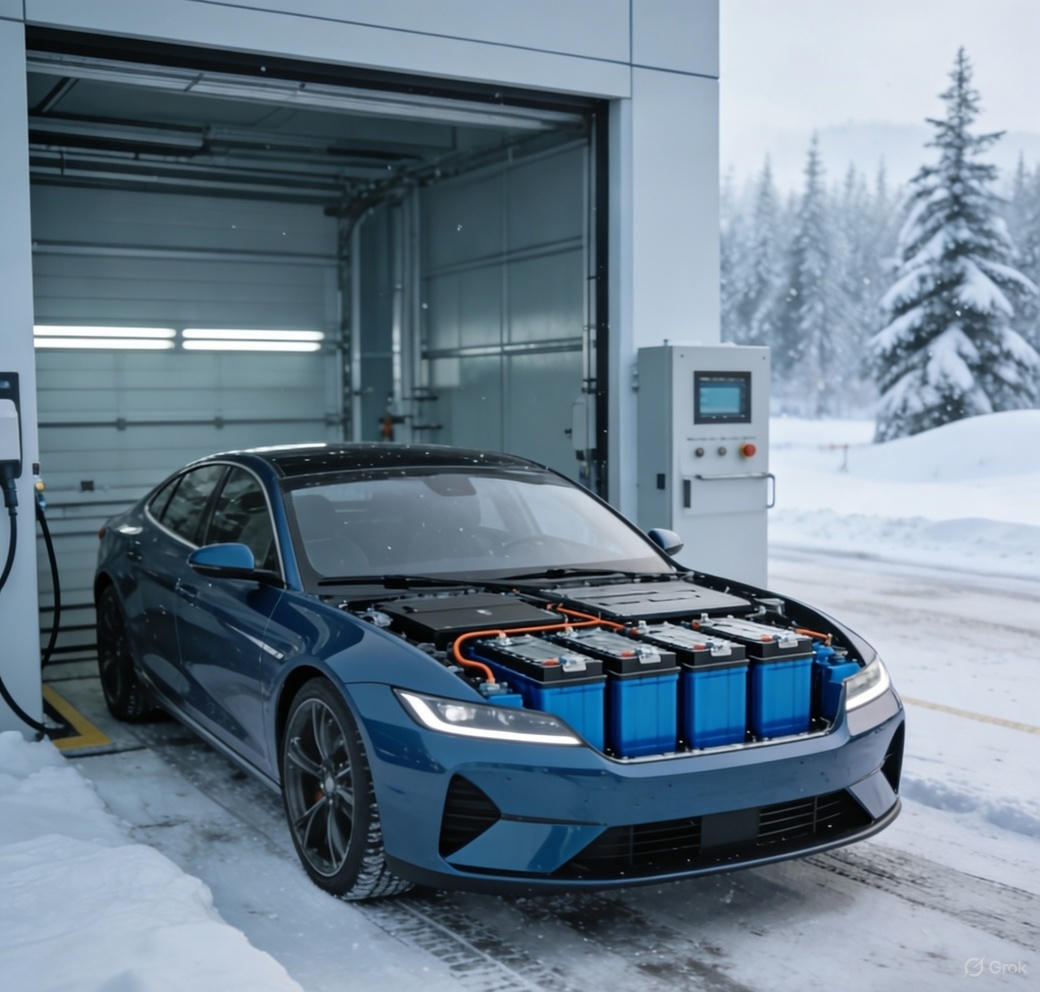
Electric vehicles face tough times in winter. Drivers notice shorter ranges and longer charge waits when temperatures drop. EV battery cold weather testing helps tackle these issues head-on. Labs use specialized equipment to mimic harsh conditions, spotting weaknesses early. This approach keeps batteries reliable year-round.
Cold snaps hit EV performance hard. Lithium-ion cells slow down below freezing. Chemical reactions inside the battery drag, cutting power output. Studies show ranges can shrink by 20-50% in sub-zero weather. For instance, a full charge that covers 300 miles in mild conditions might only manage 150 miles at -10°C.
Charging gets tricky too. Cold batteries resist fast charging to avoid damage. This leads to waits that stretch from 30 minutes to over an hour. Safety risks rise as well—uneven heating can cause cells to degrade or fail. Effects of low temperature on EV batteries include reduced efficiency and potential long-term wear.
Real-world examples highlight the problem. In northern regions, EV owners report stalled trips during blizzards. Manufacturers know this. They turn to controlled environments to predict and fix flaws before vehicles hit the road.
These challenges push the industry toward better testing methods. Reliable simulations reveal how batteries behave in the cold, guiding design tweaks.
Temperature chambers create exact replicas of winter extremes. They cool down to -70°C or lower, holding steady for hours. This lets engineers watch battery responses in real time. Air circulates evenly, ensuring uniform exposure across samples.
One key setup involves temperature cycling for battery testing. Chambers ramp between hot and cold quickly—up to 15°C per minute. This stresses cells like repeated freeze-thaw cycles. Batteries endure hundreds of loops, mimicking years of use in months.
Humidity adds another layer. Some units combine moisture control, testing how frost or condensation affects performance. For EV parts, this means checking seals and electronics alongside the battery pack.
Explore more on cooling and heating chambers for detailed specs. Such tools cut development time, catching issues that field tests miss.
From simulation to analysis, these chambers bridge lab work and road reality. They provide data that shapes stronger designs.
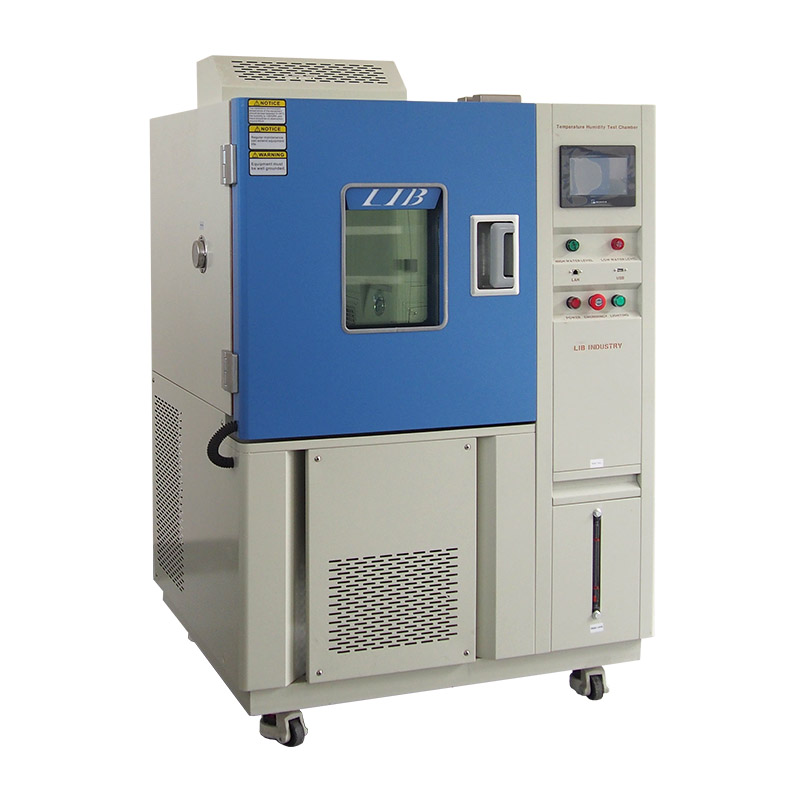
Different tests target specific winter woes. Here’s a breakdown:
A table sums up common test parameters:
|
Test Type |
Temperature Range |
Duration |
Key Measurement |
|
Cold Resistance |
-40°C to -20°C |
24-72 hours |
Capacity Retention |
|
Thermal Cycling |
-20°C to 60°C |
100 cycles |
Structural Integrity |
|
Ultra Low |
-86°C |
8-12 hours |
Power Output Recovery |
|
Storage |
-30°C |
30 days |
Degradation Rate |
These protocols, drawn from industry standards, help refine battery tech. Visit the home page for broader insights into testing gear.
Results from such tests inform tweaks, like adding heating elements or better electrolytes. This leads to EVs that perform consistently, no matter the season.
Testing in chambers pays off big. First, it boosts safety. Identifying weak spots prevents fires or failures in cold drives. Data shows pre-tested batteries cut recall risks by up to 70%.
Efficiency gains follow. Optimized cells maintain more range—some designs recover 30% more distance in winter after refinements. Charging speeds improve too, with less energy wasted on warming.
Cost savings add up. Early detection avoids pricey redesigns later. Manufacturers save millions by fixing issues in prototypes.
For users, this means dependable rides. Winter EV battery performance gets a lift, easing range anxiety. In competitive markets, brands with robust testing stand out.
Check solution center for case studies on real applications.
Beyond basics, these benefits build trust. Drivers pick EVs knowing they handle winters well, speeding adoption.

Good chambers pack features for precise work. Controllable ramp rates—from 1°C to 15°C per minute—allow flexible simulations. Low temps down to -200°C handle extreme cases, often via liquid nitrogen.
Sizes vary: benchtop for small cells, walk-in for full packs. This fits different scales, from R&D to production.
Automation stands out. Touch-screen controls and network access make remote monitoring easy. Pre-set programs run tests without constant oversight.
Safety elements include overheat protection and ventilation. For batteries, explosion-proof designs guard against mishaps.
Durability matters. Chambers built for daily use last years, with minimal downtime.
Such features ensure thorough battery thermal testing. They turn raw data into actionable improvements.
Xi’an LIB Environmental Simulation Industry supplies temperature test chambers tailored for demanding applications. Founded in 2009, the company focuses on design, production, and service of environmental testing equipment. It serves sectors like automotive and electronics, with products sold in over 42 countries. Known for reliable performance and custom options, Xi’an LIB helps clients meet international standards. Learn more on their about us page.
Temperature chambers prove essential for winter-proof EV batteries. They simulate cold stresses, uncover flaws, and drive innovations that keep EVs running strong. As the market grows, solid testing builds confidence in electric mobility. Manufacturers who invest here lead the way in reliability and user satisfaction.
Temperature chambers recreate winter extremes to evaluate battery behavior. They test range, charging, and durability under low temps, helping refine designs for better performance.
Thermal cycling exposes batteries to rapid temp shifts, revealing weaknesses like cracks. This leads to tougher materials that maintain efficiency in cold seasons.
Yes, especially in varied climates. These tests ensure safety and reliability, preventing issues like reduced range or failures during winter use.
Look for precise control, wide temp ranges, and safety measures. Automation and size options allow thorough, efficient evaluations.
Metrics include capacity loss, voltage stability, and recovery time. Chambers provide controlled data for accurate assessments and improvements.




 EN
EN


