

Lead Provider of Environmental Test Chamber


 Posted on
11 06 2026
Posted on
11 06 2026


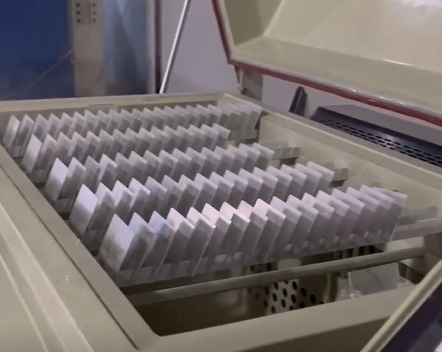
You run a lab or handle quality control. Sooner or later the same question comes up when you plan corrosion tests. How long should this salt spray test run? Cut it too short and you may miss real weaknesses. Run it too long and you tie up equipment, spend more than planned, and slow down shipments. Getting the timing right really matters. This holds true whether you test automotive parts, marine gear, electronics boxes, or anything else that faces tough conditions.
Salt spray testing remains one of the most common ways to check how coatings, platings, and materials hold up against rust. Yet the best test length changes quite a bit. It depends on your industry, the standards you follow, and what you need to prove. This guide walks through the details in plain terms so you can decide with more confidence.
Corrosion does not follow a neat schedule. A metal bracket on a truck might fight road salt for years. A medical device housing sees only occasional humidity and cleaning chemicals. Running every sample for the same number of hours can waste time. It can also leave you with blind spots.
Labs walk a tight line. You want to speed things up yet keep results realistic. Push too hard and you create failures that would never happen in real use. The right balance comes from matching your test hours to the product’s expected life, its actual environment, and the rules in the standards.
Different specs ask for different exposure times. Here is what you see most often.
ASTM B117: This is the classic one. Many teams run 24, 48, 96, or 168 hours for basic checks. Automotive suppliers often push to 500 or even 1,000 hours when they need stronger proof.
ISO 9227: It stays very close to ASTM and sees wide use around the world. It covers neutral salt spray, acetic acid versions, and copper-accelerated tests, each with their own usual ranges.
IEC and MIL-STD specs: Electronics and defense work often mix salt fog with drying periods for better realism.
In everyday work, a company making outdoor lights might pick 200 to 300 hours to copy years near the coast. A fastener supplier for cars could need 480 to 720 hours to keep the big OEMs happy.
Automotive and Transportation Exhaust pieces, brackets, and body hardware often go through 500 to 2,000 hours. Suppliers know a failure after 1,000 hours in the chamber can turn into expensive warranty claims later. One lab technician cut real-world problems by stretching cyclic tests from 400 to 600 hours and adding humidity steps. That extra time helped catch edge corrosion issues before they became serious.
Marine and Offshore Boat fittings, ship parts, and oil platform gear usually need longer runs. Some tests last 1,000 to 3,000 hours. Salt hits harder in these spots. Tests that switch between fog, drying, and high humidity copy ocean life better than steady spray.
Electronics and Consumer Goods Enclosures and connectors usually run shorter tests, often 48 to 168 hours. The point is finding creep corrosion on contacts or paint blistering without over-testing parts that face easier conditions.
Aerospace and Defense These projects prefer combined testing. A salt spray phase might run 168 to 500 hours along with vibration or temperature cycles to match flight and storage stresses.
Consider these points before you set the timer.
How long the product needs to last in actual use
How tough the environment is, such as coastal air, factory pollution, or road salt
Thickness of the coating or plating
What your customer or certification requires
How much lab time and budget you have
You can also check progress step by step. Pull samples at 100, 250, and 500 hours. This way you watch corrosion develop instead of waiting for one final result.
Advantages of LIB Vibration Test Chamber
Some corrosion problems only appear when parts face multiple stresses at once. That is why a solid vibration test chamber becomes very handy.
Temperature range from -50°C to +150°C with tight ±0.5°C control
Humidity from 30% to 98% RH (±2.5% RH)
Electrodynamic shaker handles up to 500 kg payload
Fast temperature ramp rates up to 5°C/min
Programmable controller with RS232/USB for custom profiles
Large 1000 x 1000 x 1000 mm internal workspace
Strong SUS304 stainless steel interior
This setup lets you run salt spray right before or after vibration and heat stress in the same chamber. You move samples less and get a clearer picture of real-world performance.
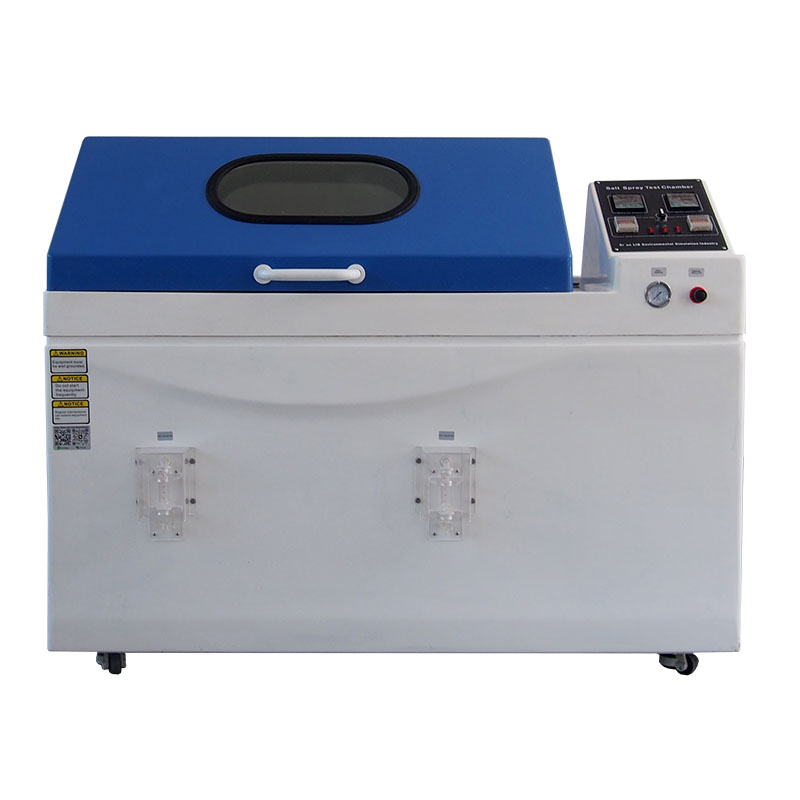
Modern chambers give you more control so you can follow exactly what your project needs. LIB’s Salt Spray Corrosion Test Chamber comes in sizes from 108 liters up to 1600 liters. You can match the chamber to your workload without guessing.
Here are the main details.
| Feature | Benefit |
|---|---|
| Temperature Range | Ambient to 60°C |
| Humidity Range | 95–98% RH |
| Spray Types | Continuous or periodic |
| Test Time Setting | 1 to 999 hours |
| Controller | LED display with PID control |
| Construction | Glass fiber reinforced plastics |
| Safety | Over-temperature, low water, leakage protection |
The clear lid lets you check samples without shutting everything down. Adjustable racks and fog collectors keep conditions even across different part sizes.
You can run steady salt fog for simple checks or set cyclic modes that match outdoor life more closely. Good salt concentration control and fine nozzles deliver steady results test after test.
A 1,000-hour test locks up a chamber for over 40 days. Do not forget setup time, daily checks, and final evaluation. Plenty of labs run several smaller chambers side by side instead of one long marathon test. This gives more flexibility and backup if you need to repeat something.
Maintenance during long runs counts too. Regular nozzle cleaning, solution checks, and pH testing keep everything reliable. Chambers from good suppliers make these jobs much less painful.
Xi’an LIB Environmental Simulation Industry has earned a strong name since 2009 as a dependable environmental test chambers supplier. They design, build, and support a full lineup of equipment. This lineup includes salt spray chambers, temperature-humidity cabinets, vibration systems, weathering testers, and custom solutions.
Their customers come from automotive, electronics, marine, research labs, and other fields across more than 40 countries. With certifications like CE and ISO plus solid after-sales service, LIB helps labs build efficient and repeatable testing programs. Their team knows that picking the right chamber and test settings directly affects your validation schedule and overall costs.
Finding the right duration for your salt spray test means balancing thorough checking with smart use of time and money. Match the hours to your industry, your product’s real needs, and actual field conditions. When you nail it, you catch issues early, keep customers happy, and run your lab more smoothly. The smartest labs treat test time as a key decision, not just another item on a checklist.
A well-built Salt Spray Corrosion Test Chamber with flexible controls and tough construction makes those choices easier. Pair it with careful planning and you will get the solid data you need without wasting resources.
Many automotive applications use 500 to 1,000 hours or more. The exact time depends on the specific OEM requirements and the part’s exposure level. Cyclic salt spray tests often give more realistic results than continuous ones.
Electronics enclosures and connectors commonly run 48 to 168 hours. This timeframe catches most coating or plating weaknesses without excessive over-testing.
Yes. Modern chambers let you set test times from 1 to 999 hours. They also support both continuous and periodic spray modes. You can pull samples at intervals to track corrosion progress.
Combining vibration with salt spray can reveal failures faster. Some programs shorten pure salt exposure time when they add mechanical stress. Real products face multiple forces together.
LIB offers a range of chamber sizes, precise controls, and reliable support. Their experience across industries helps you select the right capacity and features for efficient, standards-compliant testing.




 EN
EN


