

Lead Provider of Environmental Test Chamber


 Posted on
24 10 2025
Posted on
24 10 2025


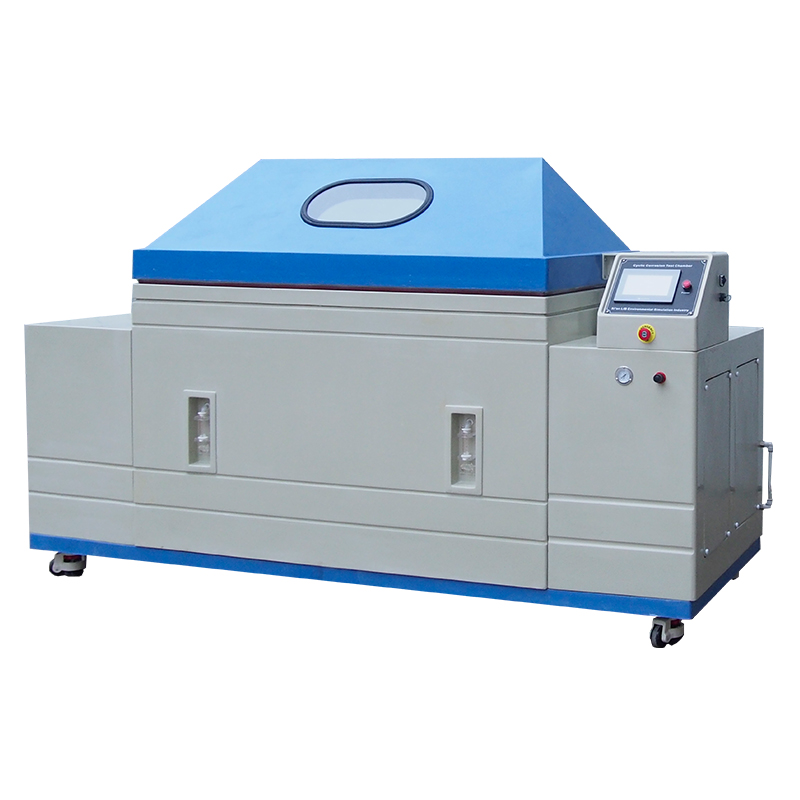
Salt spray chambers have long been a go-to tool in testing labs. They mimic harsh coastal weather to check how well materials hold up against rust. But today, these machines do more than just basic checks. Engineers and researchers push them into new areas. This post looks at some fresh ways people use salt spray chambers. If you’re in manufacturing or product design, these ideas might spark something for your work. We’ll keep it straightforward, with real-world examples that show how these tools build better products and stronger brands.
Salt spray chambers create a foggy mist of salt water. This setup speeds up corrosion, letting teams spot weaknesses fast. No need to wait years for real-world wear.
Inside the chamber, samples sit on racks. A nozzle sprays fine salt fog evenly. Sensors watch temperature and humidity—usually around 95% relative humidity at 35°C. Tests run for hours or days, following standards like ASTM B117 or ISO 9227.
It’s simple yet powerful. A painted metal part might show tiny cracks after 100 hours. That data guides fixes before production. Labs use them for coatings, plating, or even fabrics meant for outdoor gear.
But here’s the thing: While traditional tests focus on pass-fail, innovative uses dig deeper. They help teams tweak designs on the fly.
Old-school testing sticks to corrosion alone. Now, with smarter controls, chambers handle cycles of spray and dry time. This mirrors real life better—like a car driving through rain then baking in the sun.
Demand grows as products get complex. Think electric vehicles or smart home devices. They face salt from roads or sea air. Testing early saves recalls and boosts trust. Your brand shines when gear lasts longer.
Cars deal with salt daily—from winter roads to ocean drives. Salt spray chambers help here in smart ways.
Electric vehicles bring new challenges. Batteries must resist salt creep that could short circuits. Teams now use chambers to test seals and casings under repeated salt exposure.
One approach: Run cycles of 24-hour sprays followed by dry spells. This mimics slushy highways. Results show how seals hold. Engineers adjust materials, like switching to tougher gaskets. It cuts failure rates by spotting issues early.
In a busy shop, this means fewer warranty claims. Drivers get reliable rides. Your auto brand earns loyalty through quiet dependability.
Carbon fiber and alloys lighten cars. But salt eats at them quick. Innovative tests combine salt fog with UV lights inside chambers. This checks how paints or gels perform in mixed weather.
Short bursts: Spray for 48 hours, then bake under lamps. Watch for bubbling or fading. Data feeds into software for better formulas. A team might find a clear coat that lasts twice as long.
For makers, it’s a win. Lighter cars sell on efficiency. Strong testing backs green claims, drawing eco-buyers.
Planes fly high but land in salty air at coastal bases. Salt spray chambers step up for airframes and parts.
Wings take bends and salt hits. New uses layer salt spray onto vibration tables. Chambers run fog while machines shake samples—like turbulence over the sea.
Picture this: A panel gets 500 hours of salt, plus shakes at 10 Hz. Cracks appear sooner in weak spots. Fix them pre-flight. Safety soars, costs drop.
Aerospace firms use this to certify composites. It proves gear for harsh routes. Pilots trust it. Your company? It stands as the safe choice.
Drones and probes carry sensors. Salt fog tests their housings now include real-time data logs. Chambers track how fog seeps in, affecting readings.
Innovative twist: Add pressure changes to mimic altitude drops. Sensors stay accurate longer. Design tweaks follow—like tighter o-rings.
This keeps missions on track. From weather balloons to Mars rovers (adapted for Earth tests), reliable sensors matter. Brands build rep on precision.
Gadgets pack more power, but salt from sweat or sea air corrodes boards. Chambers find fixes.
Smartwatches face wrist salt. Tests now use mini-chambers for small batches. Spray cycles test straps and cases, watching for green patina on metals.
One method: Alternate fog with sweat sims (salty solutions). Bands that crack get redesigned with polymers. Users swim without worries.
For tech brands, it’s gold. Devices last through adventures. Reviews rave about toughness, driving sales.
Boats use electronics for nav. Salt spray with humidity swings tests circuit boards. Innovative setups add electrical loads during tests—see if connections fail.
Results? Thicker traces or conformal coatings. Gear runs years without glitches.
Fishers and sailors count on it. Your brand becomes the one that doesn’t quit.
|
Industry |
Traditional Use |
Innovative Twist |
Key Benefit |
|
Automotive |
Basic coating checks |
EV battery seals with cycles |
Fewer recalls |
|
Aerospace |
Part corrosion |
Vibration + salt for fatigue |
Safer flights |
|
Electronics |
Board exposure |
Loaded circuits in fog |
Longer life |
This table sums it up. Each shift adds value, from safety to sales.
Boats and buildings battle salt head-on. Chambers evolve here too.
Ship hulls foul with barnacles in salt water. Tests now blend salt spray with bio-growth sims. Chambers fog samples, then check slime buildup.
Fresh idea: Use LED lights for algae growth during sprays. Coatings that resist both win. Ships sail cleaner, using less fuel.
Green fleets cut emissions. Brands lead in sustainability, winning contracts.
Bridges near seas rust fast. Innovative tests layer salt on stressed beams—pull them while spraying. See where bolts weaken.
Data shapes alloys or paints. Structures last decades. Cities save on repairs.
Engineers gain cred. Projects finish strong, on budget.
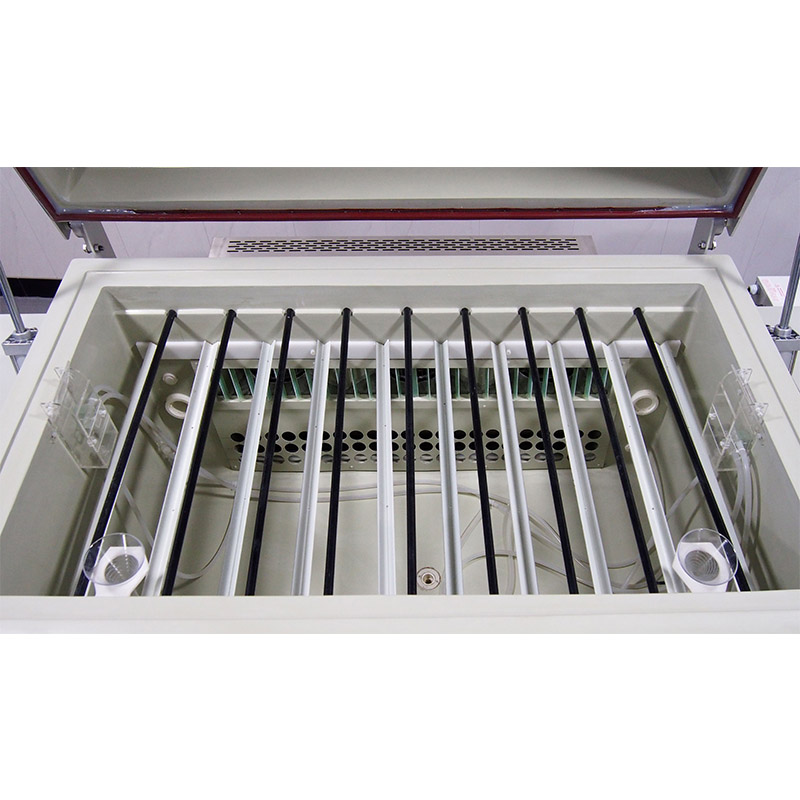
Chambers aren’t static. New features open doors.
Old units just sprayed. Now, IoT links track fog density live. Apps alert on drifts, ensuring even tests.
This lets remote tweaks. A lab in the city monitors a factory run. Efficiency jumps.
Teams collaborate easy. Insights flow fast, speeding innovation.
Pair salt with heat or UV in one box. Test car mirrors for sun-salt fade. Or phone cases for drop-in-fog.
Versatility rules. One machine, many jobs. Labs save space and cash.
A car maker tested truck beds this way. Cycles caught a paint flaw early. Launch went smooth, sales hit records.
In aviation, a drone firm used hybrid setups. Sensors survived sea trials. Orders poured in.
These wins show: Smart use builds empires. Your next project could too.
Looking for a solid salt spray chamber supplier? Xi’an LIB Environmental Simulation Industry fits the bill. With over a decade in the field, they craft reliable testing gear for global needs. Their lineup covers standard and custom builds, all backed by quick delivery and top service. Teams there handle everything from design to install, serving labs worldwide. If you’re ready to explore innovative uses, they’re a trusted partner.
Salt spray chambers started simple. Now, they fuel breakthroughs across fields. From EV seals to drone sensors, these tools uncover hidden strengths. Businesses that adopt them gain edges—safer products, happier customers, lasting brands. Dive in. Your innovations await.
They go beyond basic sprays. Teams test battery seals with wet-dry cycles, mimicking road salt. This spots leaks early, keeping EVs running strong.
Add shakes to the fog for fatigue checks on wings. It shows real weaknesses fast. Planes stay safe, crews trust the gear.
Sure. Run loaded boards through mist to catch shorts. Coatings improve, gadgets last through salt and sweat.
It checks hull paints against fog and growth. Cleaner ships save fuel, cutting green footprints.
Stress beams in spray to find bolt flaws. Bridges hold up longer near coasts, saving big on fixes.




 EN
EN


