

Lead Provider of Environmental Test Chamber


 Posted on
23 04 2026
Posted on
23 04 2026


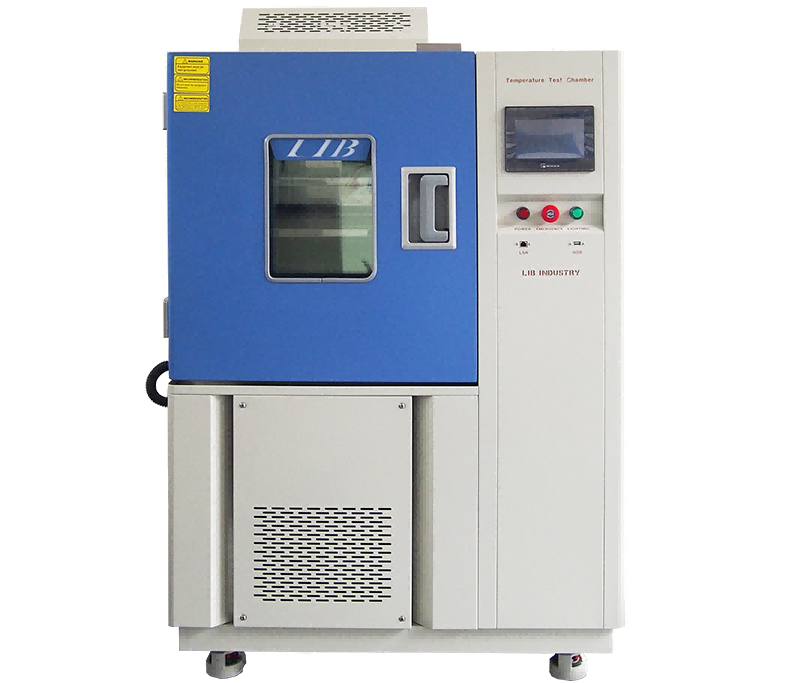 Return on Investment (ROI) in advanced manufacturing testing equipment shows the clear financial and operational advantages from spending on precise testing setups. In the area of environmental testing systems, ROI highlights how well temperature humidity chambers turn that spending into better productivity, fewer defects, and lasting sustainability. As manufacturing fields move toward digital changes, the need for exact controlled testing has increased a lot—especially in sectors like electronics and pharmaceuticals, where dependability and following rules are essential.
Temperature humidity chambers hold a key spot by copying real-world environmental situations to check product toughness under pressure. This managed imitation makes sure products work steadily in different weather, which boosts work efficiency and cuts down on expensive problems in the field.
To really grasp the possible ROI, we need to look at how these chambers improve process results in several ways.
Temperature humidity chambers let makers mimic tough environmental setups—like high heat, low cold, and dampness—that products might face over their life. By putting parts through these pressures before they hit the market, makers can spot weak points soon and make designs stronger. Better reliability leads straight to fewer warranty requests and buyer gripes, and it keeps the brand’s good name.
Plus, steady test setups promise repeatable quality checks. This sameness helps engineers trust and compare data over time. As a result, every product group hits strict reliability rules.
Quick life testing inside temperature humidity chambers shortens growth timelines by showing design or material problems early in the research and development stage. This forward-thinking way cuts down on pricey changes later in making. Quicker repeat cycles build creative speed—which lets makers bring out new items before rivals, all while holding high reliability marks.
When linked with automatic control setups, these chambers smooth out work flows by cutting human input and allowing nonstop testing. The outcome is more output, better use of resources, and quicker time-to-market.
To get ROI drivers, we should check both direct money parts and less direct performance measures.
The starting price for getting a temperature humidity chamber can be quite high. Yet, its benefits over time usually beat the first costs. Makers need to weigh the spending against the expected life span, how often it’s used, and the whole system’s steadiness. Energy savings matter a lot—newer chambers with good insulation and smart compressors cut power use a great deal during long test runs.
How often it needs upkeep and calibration times also affect total costs over time. Setups built for simple fixes reduce stoppages while keeping accuracy for many years. Gains in productivity from quicker output add to ROI by raising test limits without extra worker costs.
Strong data exactness cuts the need for repeat tests—a main point in better resource use and less waste. When tied into digital making networks like MES or ERP systems, temperature humidity chambers help with smooth tracking from early model checks through big production. Real-time watch features lower the call for steady oversight. At the same time, they give quick warnings for shifts outside set limits.
This link boosts report ease for checks or rule reviews. It also speeds up choices based on solid environmental info.
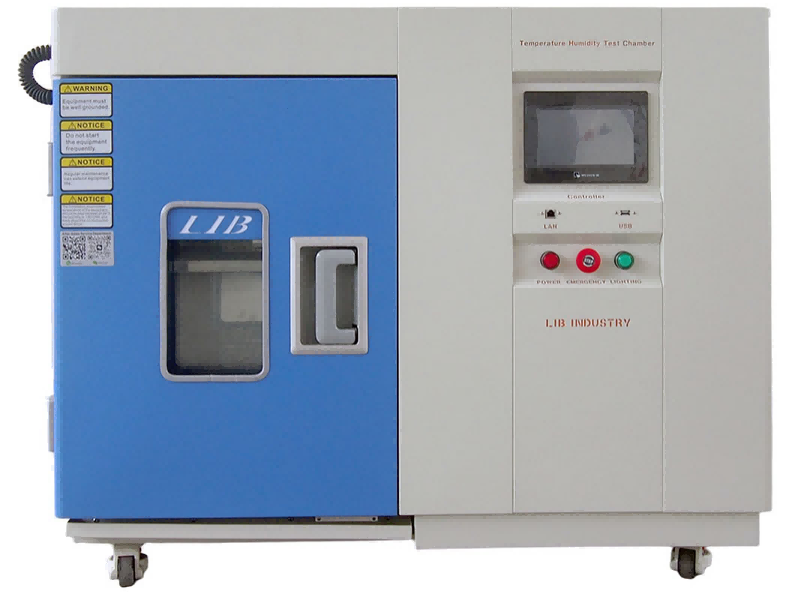 Figuring out ROI varies by field because of different work focuses. However, both areas count on exact environmental handling for rule following and performance checks.
To better understand how these returns are achieved, it is essential to examine the key performance metrics used in electronic component testing.
In electronics making, temperature humidity chambers prove printed circuit boards (PCBs), semiconductors, sensors, and other touchy parts under heat pressure setups. Money savings come from fewer issues in the field—each skipped recall or warranty swap adds right to keeping profits.
Setups with many chambers let testing of several product types or early models at once. This raises total output without growing the building space. Following world rules like IEC 60068 or JEDEC JESD22 makes sure readiness for global sales. It also avoids hold-ups in approvals that could hurt income flows.
To translate ROI into practical outcomes, it is important to assess the cost-benefit structure of long-term stability testing programs.
Pharmaceutical makers rely on stability testing chambers to check drug mixes under managed weather setups over long times. Looking at chamber spending against savings from fewer batch throws shows plain money wins: less tossed lots mean smaller material loss and better use of making space.
Rule setups like ICH Q1A demand tight follow of stability steps. Dependable chamber work makes sure steady rule keeping while dodging fines or recheck costs. Better exactness in shelf-life guesses helps smart stock handling—it cuts risks of making too much and keeps supply chain moving on time.
As keeping things green turns into a core part of business plans, strong temperature humidity chambers act as helpers for both money efficiency and green duty.
New setups have low-power parts mixed with smart control steps that change energy use based on the work load. Lower energy needs not only drop running costs but also add good points to company ESG (Environmental, Social, Governance) reports. This matters more for world makers aiming for green money gains.
Spot-on temperature and humidity handling cuts material loss during test runs by stopping sample breakdown from unchecked changes. This steadiness fits with lean making ideas by removing unevenness-led waste across making steps.
Before diving into the company background, it’s important to understand what sets LIB’s temperature humidity chambers apart in real-world industrial applications. Their systems are designed for high precision, stability, and long-term operational efficiency—making them ideal for demanding testing environments.
| Parameter / Feature | LIB Performance Highlights | User Benefit |
|---|---|---|
| Temperature Range | -70°C to +150°C | Covers extreme environmental simulation needs |
| Humidity Range | 20% RH to 98% RH | Supports wide climatic testing conditions |
| Temperature Stability | ±0.5°C or better | Ensures repeatable and reliable test results |
| Temperature Uniformity | ±2.0°C | Maintains consistent conditions across samples |
| Heating Rate | Up to 3–5°C/min | Speeds up testing cycles |
| Cooling Rate | Up to 1–3°C/min | Improves efficiency in rapid temperature changes |
| Control System | Programmable touchscreen controller | Enables automation and complex test profiles |
| Data Logging | Real-time monitoring & export | Enhances traceability and compliance |
| Chamber Volume Options | Benchtop to walk-in chambers | Flexible for lab and industrial-scale testing |
| Power Efficiency | Energy-saving compressors & insulation | Reduces long-term operational cost |
High Precision Environmental Control
Advanced sensors and PID control systems ensure tight regulation of both temperature and humidity, minimizing fluctuations during long-duration tests.
Wide Application Compatibility
Suitable for:
Electronics (PCBs, semiconductors)
Automotive components
Aerospace materials
Pharmaceuticals (stability testing)
Flexible Customization Options
LIB offers tailored chamber designs based on:
Test standards (IEC, ISO, ICH)
Sample size and load requirements
Specialized environmental conditions
Automation & System Integration
Compatible with MES / ERP systems
Supports remote monitoring and alarms
Enables unattended long-cycle testing
Durability and Long Service Life
Corrosion-resistant interior materials
Robust construction for continuous operation
Typical lifespan: 10–15 years+
Reduces retesting caused by unstable conditions
Shortens product development cycles
Lowers energy and maintenance costs
Improves compliance with global testing standards

Moving from broad ideas of ROI improvement to real use calls for working with a skilled gear maker that can bring top technical work.
Xi’an LIB Environmental Simulation Industry focuses on building advanced environmental copy tools made for world industrial uses. Its line-up covers high-exact temperature humidity chambers built for great steadiness, correctness, and lasting strength—perfect for hard electronics part proofs or pharmaceutical stability looks.
Xi’an LIB’s promise goes past gear sending. It offers full-end help that includes design changes to fit client needs in electronics, automotive, aerospace, and pharmaceutical fields. Full after-sales care plans cover calibration help and worker training sessions. These make sure best chamber use over its life—which raises user worth and guards long-term ROI results.
Smart picking of temperature humidity chambers shapes making performance signs—from steady product quality to lower energy cost measures. Lasting ROI comes from mixing energy-saving builds with exact control tools backed by solid data handling setups. These boost tracking across work. Teaming with trusted sellers like Xi’an LIB lets makers hit ongoing rule keeping. At the same time, they get clear money wins through better work dependability and cut life costs.
A well-kept chamber can run well for 10–15 years or longer based on how hard it’s used, upkeep timing, and outside conditions that affect its parts’ lasting time.
The payback time comes from matching yearly cost wins—like lower fix rates, less power use per test run, and smaller stoppage losses—against the full buying price. This goes until added wins match the first spend.
Yes. Changes make sure the system’s skills fit exact process needs—which boosts measure correctness and cuts unneeded test times. All this improves output ease and builds stronger overall ROI measures across making flows.




 EN
EN


