

Lead Provider of Environmental Test Chamber


 Posted on
18 12 2025
Posted on
18 12 2025


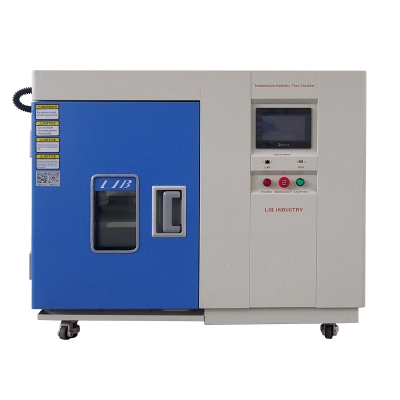
Picking a stability chamber isn’t just about grabbing any unit off the shelf. It can make or break your testing results. If you’re in pharmaceuticals, electronics, or food storage, you know how vital it is to keep conditions steady. A wrong choice leads to faulty data, wasted time, and even compliance headaches. This guide walks you through user requirements and chamber selection. We’ll cover things to consider for choosing the right stability chamber, helping you match it to your setup. Think of it as building a solid foundation for your work.
Stability chambers mimic real-world environments to test how products hold up over time. They control temperature, humidity, and sometimes light. For you, this means reliable data that backs up your claims. Get it right, and you boost your lab’s reputation. People trust results from top-notch equipment. It shows you’re serious about quality.
These chambers help spot weaknesses early. Say you’re testing a new drug. Steady conditions reveal if it degrades under heat or moisture. That info guides your decisions. Without the right chamber, tests might skew, hurting your brand.
A good chamber cuts down on errors. It saves money in the long run. Plus, it positions your team as experts. Clients notice when you deliver precise work. It’s about standing out in a crowded field.
Start here: What do you need? List out your must-haves. Involve your team – from lab techs to managers. This step sets the stage for smart chamber selection.
Focus on temperature and humidity first. What ranges do you work with? For many, it’s plus or minus a few degrees or percent humidity. Tight tolerances keep your samples safe. Check if the chamber holds steady over long runs. Fluctuations can ruin batches.
Humidity matters too. Some setups need dry air; others, moist. Light exposure? If your products are sensitive, look for controls there. Write it all down in a simple document. Share it with potential suppliers. It helps everyone stay on the same page.
Don’t just think now. What about next year? Your workload might grow. Factor in expansion. A chamber that’s too small cramps your style later.
Size isn’t everything, but it counts. Figure out how much room you need inside. That’s your storage volume.
Measure your samples. Add space for air flow – it’s key for even conditions. Shelves? They eat into volume. Doors that swing wide might block paths. For bigger walk-in types, check ceiling height. You don’t want heads bumping during loading.
Where will it go? Measure doorways and halls. Big units need planning for delivery. Noise? Some hum loud. Place it away from quiet zones. Think about access for fixes too.
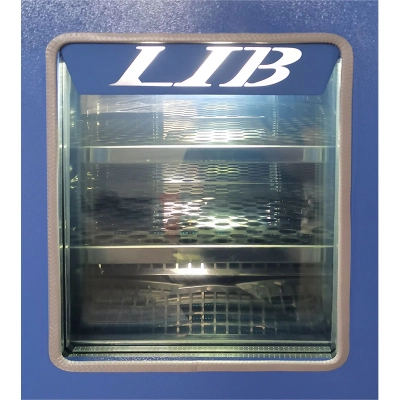
Look beyond basics. Good design eases your day-to-day.
Windows in doors let you peek without opening. Heated ones stop fog. Lights inside help see. For walk-ins, add fall guards or escape buttons. Timers for events keep tests on track.
Ramps for easy entry.
Mount options: Roof saves floor space.
Sprinklers if fire risks are high.
These tweaks make the chamber user-friendly. They cut accidents and speed work.
Easy-to-reach parts mean less downtime. Ports for sensors or wires? Handy for monitoring. Pick designs that suit your tech setup.
Power, water, drains – get these wrong, and you’re stuck.
What voltage? Single or three-phase? Water for humidity: Clean and steady supply. Drains handle overflow. Gas if needed for special tests.
List utilities like this:
Electricity: 220V, 50Hz.
Water: Purified, 10 liters/hour.
Drain: Floor-level, anti-clog.
Match to your building. Upgrades cost extra.
Outdoor air can mess with insides. Place away from vents or sun. Stable room temps help the chamber work better.
You want a chamber that lasts. Think parts and service.
Quick access to replacements? Stock some yourself. Suppliers with good stock ship fast. It keeps tests running.
Regular check-ups prevent breakdowns. Yearly or more. Train your crew on basics. Fast response from pros fixes issues quick.
Stay alert to problems. Connect for peace of mind.
Audible beeps or app alerts. Watch for power outs or door ajar. Link to your main system for remote checks.
Backups like extra power or cooling. Dual systems for critical work. Space them right – don’t overload utilities.
Stuff happens. Plan for it.
Floods? Fires? Earth shakes? Chambers need drains and sturdy builds. Brainstorm with your team.
Extra seals on pipes. Backup plans for moving samples. It safeguards your investment.
Money talks. Balance upfront cost with long-term savings.
Not just buy price. Add energy use, maintenance, parts. A cheap unit might guzzle power.
Pay for what you need. Custom bits add up, but they pay off in efficiency.
Xi’an LIB Environmental Simulation Industry stands out as a dedicated test chamber supplier. Founded in 2009 by Yang Menglin, the company started in the domestic market and grew globally. They handle design, production, sales, and service all under their own brand. With products sold in over 40 countries, they have seven first-tier distributors in places like Canada, Mexico, Italy, Malaysia, South Korea, and more. They’re expanding with local service centers for better support. LIB promotes high-quality “Made in China” gear, earning trust through professional work and partnerships. If you’re seeking reliable chambers, their team offers tailored solutions and quick help.
Wrapping up, choosing the right stability chamber boils down to knowing your user requirements and weighing key factors. From environmental tolerances to backups, each piece fits into a bigger picture. Get this right, and you set your operations up for success. It strengthens your work’s credibility and helps your brand shine. Now, let’s look at a trusted supplier in this field.
Key things include environmental tolerances like temperature and humidity ranges, storage volume for your samples, and utility needs such as power and water. Also, think about service plans and backups to keep everything running smooth.
Your user requirements shape the whole process. They define specs like tolerances and space, ensuring the chamber fits your tests perfectly. Involve your team early to cover all bases.
Ventilation prevents outside air from messing with internal conditions. It helps maintain steady temps and humidity, avoiding issues from drafts or seasonal changes that could skew your results.
Backups handle power fails or breakdowns without losing control. They add reliability, especially for long tests, protecting your data and samples from unexpected hiccups.
Reach out to suppliers for consultations. They can review your needs and suggest options that match, making the selection easier and more effective.




 EN
EN


