

Lead Provider of Environmental Test Chamber


 Posted on
23 09 2026


Cars today face many tough conditions on the road. They run in freezing cold places and also in very hot areas. Car makers need good ways to check how well their vehicles hold up before they sell them. Road tests can last many months or even years. Environmental test rooms give a better option. They let teams check car performance under set conditions they control.
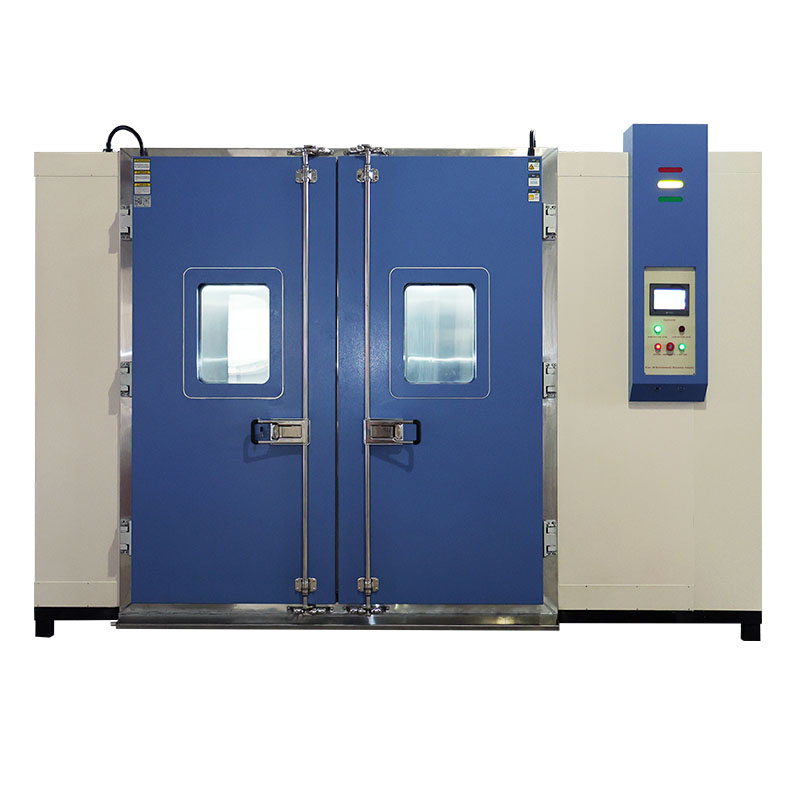
A Drive-In Environmental Test Chamber lets full cars and big car systems go inside a special room. The room can copy temperature shifts, moisture, rain, dust, rust, and other stresses that cars meet during their life. Car makers, electric car firms, and part suppliers use this gear a lot. It helps make cars more reliable. It also cuts risks during design and speeds up the checks that prove a car is ready.
A Drive-In Environmental Test Chamber is a big room built to test full cars, large parts, and full systems. Small lab rooms only handle tiny samples. Drive-in rooms give enough space for cars to drive in and face full checks.
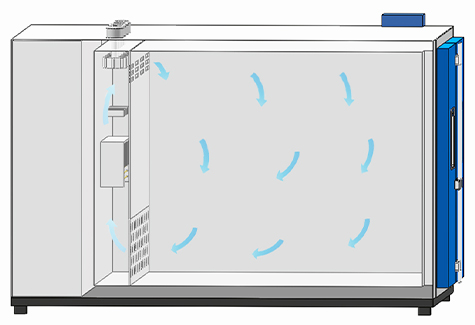
The room sets the air inside by changing heat, moisture, air flow, and other factors. Teams can copy hard weather and see how cars act when the stress repeats again and again.
Common uses cover:
Full car reliability checks
Electric car environmental checks
Battery pack performance looks
Car electronics checks
Material strength checks
Climate resistance checks
The main goal is to find weak spots before cars reach buyers.
The car world changes fast. Electric cars, helper driving systems, and linked car tech bring more delicate parts. These parts need careful reliability checks.
A car may drive in deserts, snow zones, sea areas, or wet tropical places. Each place brings its own problems.
Heat and cold change how a car works. Very cold air can lower battery power, slow charging, stiffen moving parts, and delay electronic replies.
Hot air can speed up wear on:
Battery systems
Plastic parts
Electrical links
Inside materials
Sensors
A Vehicle Environmental Test Chamber can copy these heat levels in a closed space. It helps teams see how a car acts across many temperature bands.
Moisture also hurts car reliability. Water vapor and dew can trouble electrical systems and metal frames.
Heat and moisture tests check:
How well electronics keep insulation
Ability to resist rust
How tight the seals stay
Long-term material strength
This matters a lot for electric cars. Battery packs and control units need strong protection from the weather.
Cars often meet hard outdoor weather. Rain, dust bits, and salt air can slowly harm car frames.
Environmental copy tests let makers check:
How well the body seals against water
How long outside paint lasts
How the chassis fights rust
How well sensors stay protected
Doing these checks early in design cuts surprise failures later on real roads.
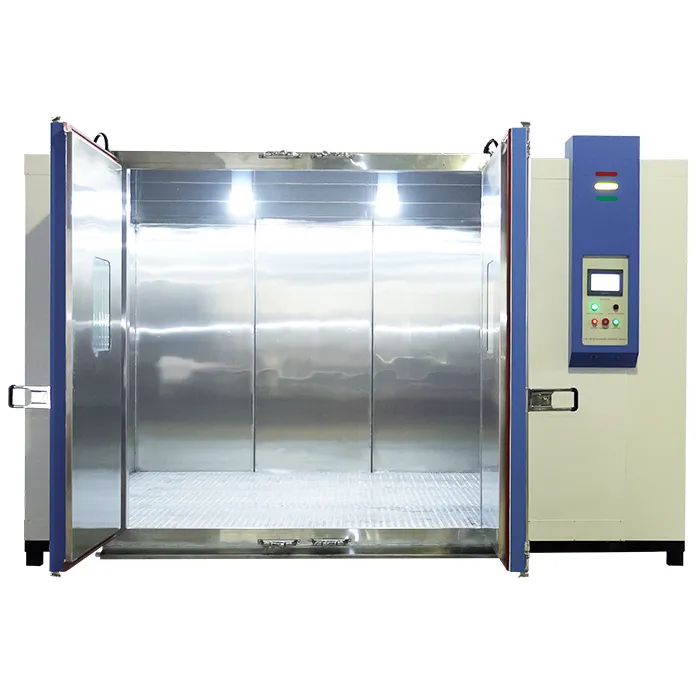
Drive-In Environmental Test Chambers help at many stages of car design. They work from early prototype checks to final quality control on the production line.
For whole cars, environmental checks look at overall performance and lasting strength.
Common test types include:
| Testing Type | Main Purpose |
|---|---|
| Temperature cycling test | See performance during repeated hot and cold shifts |
| Humidity testing | Check moisture fight and electrical reliability |
| Rain testing | Confirm seals and water protection |
| Dust testing | See protection against particles |
| Corrosion testing | Judge fight against salt and chemical contact |
These tests help teams spot design weak points before large-scale building starts.
Electric cars need extra reliability checks. Battery systems and electronic parts react strongly to weather changes.
Drive-In Environmental Test Chambers support checks for:
Battery pack heat performance
Charging under different climates
Electrical system steadiness
Sensor and control unit reliability
As more people buy electric cars worldwide, environmental testing becomes a key part of battery safety and full car proof programs.
Besides whole cars, many car part suppliers use environmental rooms to check single pieces.
Examples include:
ECU systems
Sensors
Lighting systems
Inside materials
Rubber seals
Plastic parts
Testing parts under controlled stress helps suppliers make longer-lasting goods and meet car quality rules.
LIB offers Walk-In & Drive-In Chambers made for large environmental copy work. These rooms fit car makers, research labs, and industrial test sites that need spaces bigger than normal lab rooms.
Compared with usual test gear, Walk-In & Drive-In Chambers give flexible choices for big products and full systems.
Key points include:
| Feature | Description |
|---|---|
| Large testing space | Lets cars, large parts, and equipment groups enter the room |
| Wide temperature range capability | Supports checks in extreme hot and cold conditions |
| Humidity control | Allows heat and moisture reliability tests |
| Custom chamber design | Can change to match customer test needs |
| Multiple environmental simulations | Supports heat, moisture, rain, dust, and rust tests |
| Long-term operation stability | Built for ongoing reliability checks |
Main gains for car work:
Fits full car environmental checks
Supports electric car and car part tests
Helps shorten product design time
Gives repeatable and controlled test settings
Allows custom solutions for different fields
Walk-In & Drive-In Chambers are often chosen when normal environmental test rooms cannot give enough inside space or test options.
Picking the right room depends on several points. Car firms should look at both present test needs and future uses.
The room size should match the products under test.
Think about:
Passenger cars
Commercial trucks
Battery systems
Large car assemblies
Different products need different settings.
Important measures include:
Temperature range
Humidity range
Test cycle length
Environmental copy functions
A solid test chamber maker should offer:
Engineering advice
Setup help
Care service
Test plan design
These points directly affect how well the gear works over many years.
Xi’an LIB Environmental Simulation Industry is a professional Test Chambers supplier. It focuses on environmental copy gear for many fields.
The firm develops and builds environmental test solutions. These include temperature test rooms, humidity rooms, walk-in rooms, drive-in rooms, and custom test systems.
With know-how in environmental copy tech, LIB serves fields such as cars, electronics, batteries, aerospace, and industrial making.
The firm helps customers through different stages. These cover:
Test need review
Custom room design
Gear building
Setup guidance
Technical care
LIB’s engineering team works with customers to build test plans based on product size, weather needs, and use conditions.
By joining technical skill with real test experience, Xi’an LIB Environmental Simulation Industry helps firms raise product reliability and meet strict quality rules.
Car reliability checks grow more important as vehicles become smarter and face harder weather. A Drive-In Environmental Test Chamber gives a practical way to test full cars, electric systems, and car parts under controlled settings.
Through heat, moisture, rust, dust, and climate copy tests, makers can find possible problems earlier and raise car lasting power.
For firms building new cars and car tech, solid environmental test gear is a must-have part of modern product proof work.
A Drive-In Environmental Test Chamber is used for testing large products such as complete vehicles and automotive systems under controlled environmental conditions, including temperature, humidity, rain, dust, and corrosion.
It helps automotive manufacturers evaluate vehicle reliability in extreme environments without depending only on long-term outdoor testing. This reduces development time and improves product quality.
Yes. A Vehicle Environmental Test Chamber can be used for electric vehicle testing, including battery systems, electronic components, and thermal performance evaluation.
Walk-In Chambers are designed for personnel access and large product testing, while Drive-In Chambers provide enough space for vehicles and large equipment to enter directly for environmental simulation testing.
Companies should evaluate chamber size, temperature and humidity requirements, testing objectives, customization options, and supplier technical support before selecting equipment.




 EN


