

Lead Provider of Environmental Test Chamber


 Posted on
12 03 2026
Posted on
12 03 2026


In dry desert areas, outdoor gear deals with special problems. These come from hot weather, windy days, and lots of sand and dust. Such settings can hurt how long electronic and mechanical items last. They can also mess up how these items work. So, makers need to run good checks. This helps make sure products stay strong. One key check is the IP dustproof test. This piece looks at why this test matters for outdoor gear in dry deserts. It covers the problems it fixes. And it talks about how to do these tests. All this keeps outdoor gear working well for a long time.
IP dustproof testing checks how well a product keeps out dust and other stuff. It stops these from getting inside key parts. The IP rating system sets levels for blocking solid things and liquids. The first number shows protection from solids like dust. For gear in dry deserts, keeping dust out is very important. The test sees how a device handles places with much dust. It stops dust from going in and harming inside parts. This test is key for making sure gear stays good and lasts in those spots.
This test helps gear stand up to tough spots. Now, let’s look at some reasons why it matters.
Harsh Environmental Conditions Desert spots have big heat changes. Days get very hot. Nights turn cold. Winds blow hard too. They carry sand and dust. This stuff can wear down electronic gear fast. Items without good dust blocks might break sooner. Parts could fail. And the whole thing might not last long.
Long-Term Exposure to Dust Outdoor items like solar panels, wind turbines, communication devices, and lights often sit in dusty deserts. They face sandstorms all the time. Without a strong IP dustproof rating, dust can sneak in. It might clog fans. Seals could wear out. Or shorts in wires could happen.
Maintaining Performance in Challenging Conditions Good dust blocks keep gear running well, even in hard spots. Makers run IP dustproof tests to check this. They see if products block dust. And if they handle long dust times. This makes sure gear works at top speed. It cuts down stops and fix costs in far desert places.
Ensuring Safety and Reliability Safety comes first for outdoor gear in rough areas. Dust getting in can weaken the build. This leads to breaks more often. With strict IP dustproof tests, makers meet top safety rules. They lower accident risks. And they make gear more dependable.
To better understand these points, consider how tests help in real use.
Many outdoor items in deserts need this test to fight dust harm. For instance, solar panels turn sun into power. But sand can block their surfaces and cut down output. Wind turbines make energy from wind. Yet dust may stick in gears and cause jams or wear. Communication tools link far places. However, dust might break connections or short circuits inside. Lighting setups light up areas at dark times. But sand could cover lenses and dim the glow. Other gear like cameras watch over spots. Dust can fog lenses or harm sensors. Sensors track weather or air. Fine particles might clog them and give wrong reads. Pumps move water in dry lands. Sand could grind parts and lead to breaks. Electric boxes hold wires safe. But dust entry may spark fires or faults. These tools sit outside all day. So checks keep them safe and working. Without tests, fixes cost more later. Good seals stop small bits from sneaking in. This helps gear last years in tough sand spots. Makers pick high ratings like IP6X for best block. In the end, right tests save time and cash for users.
When doing these tests, think about a few main things. They make checks more spot on.
Simulating Real-Life Conditions IP dustproof testing needs to copy true settings. Expose gear to sand blows, hot or cold air, and steady wind. The dust chamber should match these. This way, it checks how gear holds up to long dust.
Understanding IP Ratings Know how IP ratings work. They apply to dust tests. The rating has two numbers. First one covers solids like dust. Second covers liquids like water. In deserts, focus on the first. It goes from 0, no block, to 6, full dust tight. For instance, IP6X means no dust gets in. Even in strong pressure. This fits outdoor gear in sandy spots well.
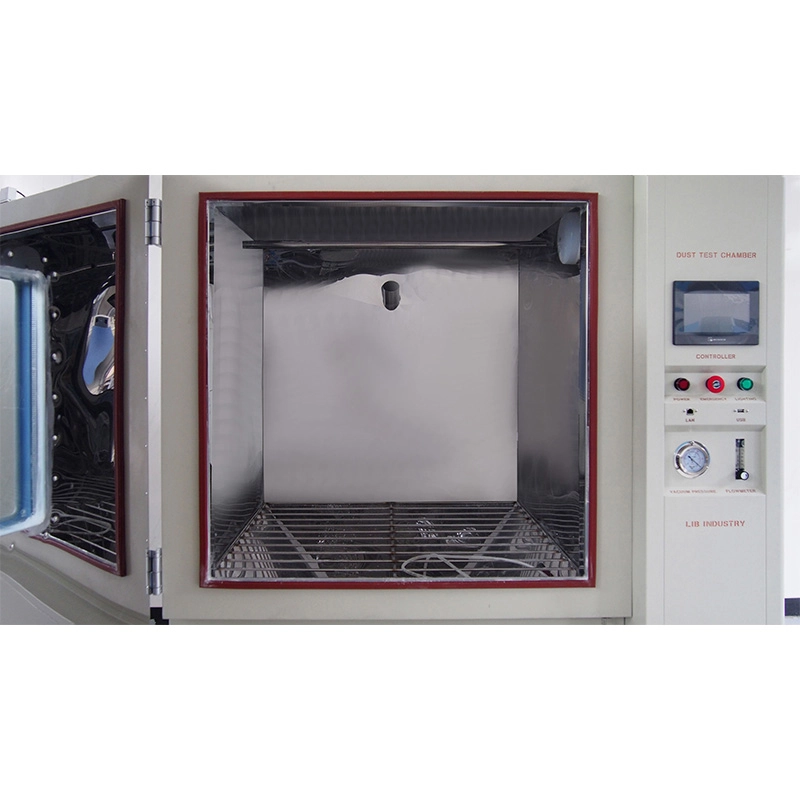
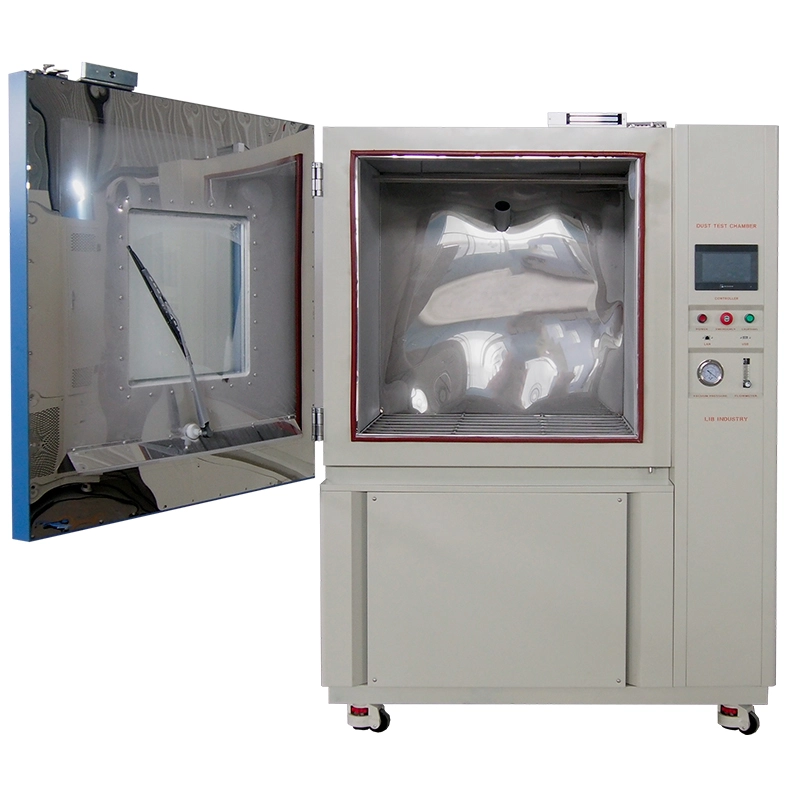
The Role of Testing Equipment Dust test chambers for IP dustproof testing are special tools. They copy desert settings. These chambers make small dust bits in a set space. They check how gear blocks dust. Test time and dust amount match real hard spots. Gear should handle steady dust. Plus sudden sand blows and fast winds. Chambers need watchers too. They track dust that gets in. And see how performance drops.
These ideas guide better tests for desert gear.
Tests face some hard parts. Knowing them helps improve checks.
Dust Particle Size and Distribution Dust in deserts changes in size and amount. For true tests, chamber dust must match target spots. Fine sand, common in deserts, is tough. It slips through tiny gaps. Chambers need particles like these for full checks.
Testing for Long-Term Exposure Besides dust blocks, think about dust build over time. Short tests might show good results in set spots. But years in harsh deserts could differ. Run long checks to copy extended use. This lets makers see how tough and good gear stays.
Temperature Extremes Deserts have big temp swings. Days go over 40°C. Nights drop low. IP dustproof testing must include these. Temps can hurt seal stuff. And overall work. Do tests at varied temps. This makes sure gear stays dust free in all cases.
Overcoming these issues leads to stronger products.
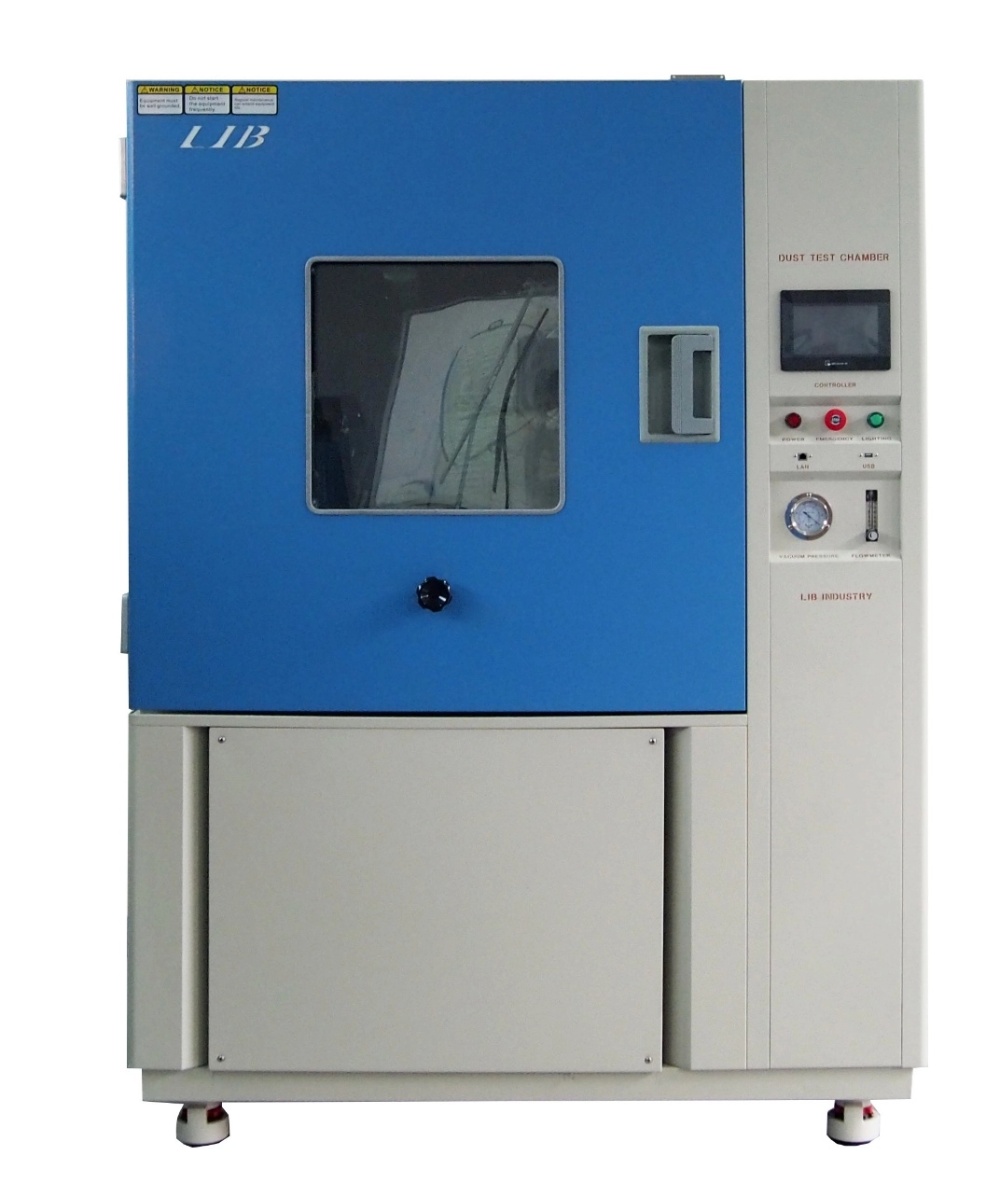
The LIB IP Dustproof Test Chamber is designed to simulate harsh sand and dust environments accurately. It provides reliable and repeatable testing conditions that help manufacturers evaluate the dust protection capability of their products according to international standards such as IEC 60529 IP5X and IP6X.
LIB dustproof test chambers generate controlled dust circulation to reproduce real desert conditions. The chamber maintains stable dust concentration, airflow, and testing duration, allowing manufacturers to evaluate how equipment performs under continuous exposure to fine particles.
LIB chambers are designed to meet widely recognized standards including IEC 60529, ISO 20653, and MIL-STD-810. This ensures that the test results are globally accepted and suitable for product certification and quality verification.
The chamber uses a specially designed airflow system that keeps dust evenly suspended in the test space. Uniform dust distribution ensures consistent exposure to all parts of the test sample, improving the accuracy and reliability of test results.
LIB IP dust test chambers are equipped with advanced programmable controllers. Users can precisely control parameters such as dust circulation time, test duration, and airflow intensity, enabling customized testing for different product requirements.
The chamber structure is made of corrosion-resistant materials with a robust sealing system. This ensures long-term stable operation even during intensive testing cycles, making it suitable for laboratories and industrial testing facilities.
Typical specifications of the LIB IP Dustproof Test Chamber include:
Dust concentration: 2–4 kg/m³ (adjustable according to test requirements)
Fight time 0 ~ 99H59M
Fan cycle time 0 ~ 99H59M
Temperature range: Ambient to +50℃
Chamber volume options: 800 L, 1000 L, 1500 L, and 2000 L
Controller Programmable color LCD touch screen controller, Multi-language interface, Ethernet , USB
Power supply: 380V / 50Hz
LIB dustproof test chambers are widely used for testing outdoor products such as solar panels, communication equipment, electrical enclosures, lighting systems, sensors, and automotive components. These tests help manufacturers improve product reliability in dusty environments like deserts, construction sites, and mining areas.
LIB Environmental Simulation Industry leads in supplying test chambers and fixes. They focus on gear for environment checks. With care on exact work and new ideas, LIB gives full check services. These help makers make sure products stand extreme spots, like deserts. From dust blocks to rust fights, LIB gives trusty fixes. They aid firms boost how tough and long outdoor gear lasts.
IP dustproof testing plays a big role in making outdoor gear tough and lasting in dry deserts. By copying true settings and using good dust test chambers, makers check if products handle hard challenges. A high IP rating guards against dust. It also keeps work, safety, and long life. In the end, this gives users better value for their money.
Here are some common questions about this topic.
IP dustproof testing checks how outdoor gear blocks dust and bits. It makes sure gear stays working in rough spots like deserts.
Dust test chambers copy desert spots. They make small dust bits. And expose gear to hot or cold air, wind, and sand blows.
The best is IP6X. It means gear is full dust tight. And can handle long dust times.
Big temps can hurt seal parts. This lets dust in easier. Tests at different temps make sure gear blocks dust in all spots.
Items like solar panels, wind turbines, communication devices, and street lighting systems need it. This ensures they work well in desert conditions.




 EN
EN


