

Lead Provider of Environmental Test Chamber


 Posted on
15 05 2026
Posted on
15 05 2026


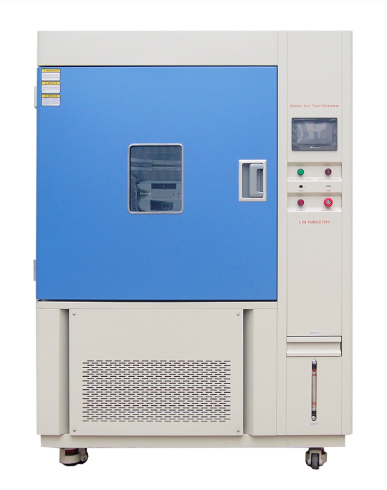
Xenon arc testing holds an important place in mimicking solar radiation to check the strength and weather resistance of materials. It offers a faster way to see how coatings, plastics, textiles, and other items will hold up under long sun exposure. Yet, even with its accuracy and consistency, specialists sometimes face mismatches when they compare xenon arc test outcomes to real outdoor conditions. These differences point to the tricky nature of environmental effects and the bounds of lab settings. This piece looks into the basic reasons for these gaps. It covers spectral changes, outside factors, and ways to control parameters that impact the accuracy of weathering tests.
The gaps between xenon arc testing results and natural outdoor behavior come from a few linked causes. These involve changes in light spectra and shifting environmental conditions.
The xenon arc lamp spectrum is built to match natural sunlight in UV, visible, and infrared areas. But it cannot fully copy the shifting spectral makeup of real sunlight. That makeup changes each day and with seasons. Shifts in ultraviolet strength greatly influence polymer chain breaks or color fading processes. Also, variations in infrared spread change heat build-up on surfaces. On top of that, location factors like latitude, height above sea level, and time of year add more challenges. This makes it hard for scientists to find exact matches between lab and natural settings.
Light by itself does not control material wear. Things like temperature changes, moisture shifts, air pollutants, and rain matter a lot too. Real outdoor spots expose materials to a mix of these that keeps changing. Labs struggle to copy that fully in their setups. Xenon arc rooms keep steady temperature and moisture for reliable results. However, this sacrifices some real-life feel. Plus, living things like microbes or dirt on surfaces do not appear in lab tests. But they can speed up breakdown outside. So, these contrasts add a lot to the mismatch between xenon arc test results and true field action.
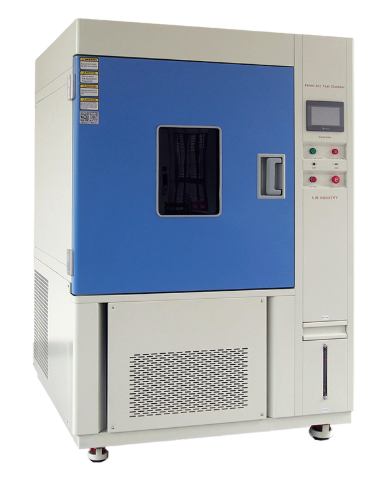
To better match lab simulations with real outcomes, it helps to look at how certain test settings shape breakdown processes.
Setting the right irradiance level is key to guessing degradation speed. Even tiny errors can speed up or slow down light-based reactions in the samples. Picking the right optical filters also shapes outcomes. They decide UV cutoff points and thus which light waves hit the material. For instance, a filter that lets through more UV might stress photo-oxidation more than happens in nature. So, steady calibration steps and regular checks against known standards are crucial for keeping tests consistent over time.
Handling temperature in xenon arc testing affects chemical reaction speeds in materials. Higher black panel temperatures can start heat-based breakdown not common in mild outdoor spots. In the same way, set moisture cycles often miss dew or water buildup from night cooling outside. Researchers can boost prediction trust by tweaking these based on real field patterns. For example, they can match daily temperature ups and downs or water exposure habits.
Accelerated weathering gives useful views on material strength in short times. Still, its weak points need attention for fair understanding.
These tests speed up time by ramping up stresses like UV light or temperature shifts. But this ramp-up might change the breakdown paths completely. It does not just make them quicker. Certain plastics show uneven aging. Doubling UV strength does not always cut lifetime in half. That is due to chemical steps that depend on limits. Thus, models for speed must include both reaction rates and path changes. They should not just use straight-line guesses from lab info.
Outdoor studies often have big spreads from small climate differences. Things like shade, air movement, or pollutant levels vary by site and twist results. Building solid links needs long-term data from many places. A frequent mistake happens when labs link 1,000 hours of xenon arc time straight to years outside. They skip fix factors from real field-to-lab checks.
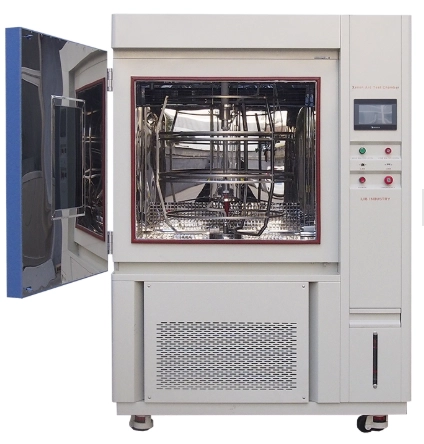
To close the divide between fast testing and real performance, experts use steady calibration work. They also add strategies for multiple stress types.
A strong method is to run outdoor tests next to xenon arc ones with the same materials. This paired check lets scientists build fix models from gathered field trends. Adding standard reference items helps too. Examples include blue wool scales or known plastic standards. They track steadiness across settings and labs. In the end, these data sets build a base for better prediction tools. These tools better show true life expectations.
Labs now mix more stress types to tackle weathering test accuracy issues better. They pair xenon arc light with repeating rust tests or wet-freeze cycles. This copies outdoor spots where many breakdown ways work together. New sensors in samples track changes like shine loss, color change, or strength drops during tests. Also, digital twin models let experts mimic long outdoor action on computers. They blend weather data with lab speed measures. This opens doors for smart guesses in material strength science.
Xi’an LIB Environmental Simulation Industry’s xenon arc accelerated weathering test chambers are designed to deliver high-precision, repeatable, and globally compliant aging simulation for advanced material research and quality control. Below is a structured overview of their core technical advantages.
| Feature | LIB Xenon Arc Chamber Capability | Benefit |
|---|---|---|
| Light Source System | Full-spectrum xenon arc lamp (adjustable irradiance) | Simulates real sunlight exposure more accurately |
| Irradiance Control | Closed-loop feedback control system | Ensures stable and consistent light intensity |
| Temperature Range | Wide programmable range (chamber & black panel control) | Supports diverse climate simulation scenarios |
| Humidity Control | Programmable RH cycling system | Enables combined UV + moisture aging tests |
| Spray Function | Rain / water spray simulation (optional modes) | Replicates outdoor wet-weather conditions |
| Control System | PLC + touchscreen intelligent interface | Easy operation with precise parameter setting |
| Standard Compliance | ISO 4892-2, ASTM G155, SAE J2527, ISO 11341 | Ensures globally comparable test results |
Highly Stable Irradiance Output
Maintains consistent UV exposure throughout long test cycles, reducing data deviation.
Custom Environmental Programming–Users can design multi-stage test profiles combining:
UV exposure
Condensation cycles
Temperature ramps
Humidity fluctuations
Improved Spectral Accuracy
Xenon lamp system closely matches full solar spectrum (UV + visible + IR), improving real-world correlation.
Long-Life Lamp System
Optimized cooling and power regulation extend lamp lifetime while maintaining stable output.
Uniform Exposure Design
Sample rack and optical layout ensure even radiation distribution across all specimens.
Automotive coatings aging resistance testing
Aerospace polymer and composite durability validation
Construction material weatherability assessment
Packaging film UV resistance and discoloration testing
Industrial-grade stainless steel chamber structure
Corrosion-resistant interior design for humid/spray conditions
Over-temperature, water shortage, and system fault protection
Modular maintenance design for reduced downtime
These technical advantages make LIB xenon arc chambers suitable for laboratories requiring high repeatability, strict standard compliance, and realistic outdoor weather simulation in accelerated testing environments.
Xi’an LIB Environmental Simulation Industry stands out for its skill in making strong xenon arc accelerated weathering chambers. These suit exact checks on material strength in fields like car coatings, plane plastics, building mixes, and wrap films. Their setups have steady light control via feedback loops. This keeps light strength even over long tests. Each unit allows custom temperature-moisture plans. They follow global rules like ISO 4892-2, ASTM G155, SAE J2527, and more. This aids fair comparisons across labs worldwide. Beyond building, Xi’an LIB offers advice services. They help teams boost outdoor links through smart parameter picks and calibration aid. These align lab results closer to real environmental action.
Mismatches between xenon arc test results and field aging stem mainly from spectral gaps between lab lamps and sun. They also come from outside factors missing in set rooms. Seeing these weak spots lets experts sharpen methods. They focus on true light calibration, real heat-moisture shifts, and mixed simulations of outside complexity. Team efforts among scientists, makers like Xi’an LIB Environmental Simulation Industry, and rule groups will push forward. They will improve guess accuracy. In turn, fast tests stay vital tools for predicting material life under varied weather.
Xenon arc lamps mimic but do not fully copy the whole solar spectrum or outside changes. As a result, different light-based reactions take the lead. This causes unique breakdown paths versus natural sun exposure.
Set up calibration steps with outdoor samples next to lab ones. Keep tight light control with regular sensor checks. Make sure room climate matches real daily patterns. Then, check all data against long field views for better trust.
Yes. They stay key because, with good setup and context reading, they give strength comparison views. This speeds product growth, quality checks, and cuts time to market for new outdoor materials.




 EN
EN


