

Lead Provider of Environmental Test Chamber


 Posted on
14 05 2026
Posted on
14 05 2026


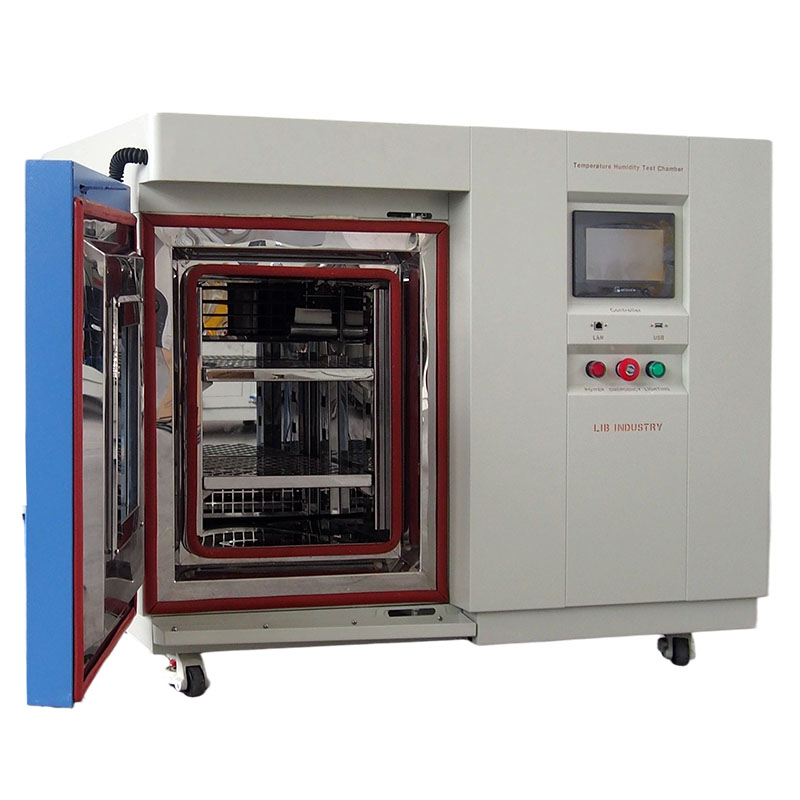
Inconsistent test data in benchtop temperature humidity chambers can harm the trustworthiness of environmental testing. This often results in poor product checks and expensive retests. A chamber might seem to work fine, but small problems like calibration shift, airflow problems, or sensor wear can change outcomes. These issues usually stay hidden until big differences show up in the data. Spotting these hidden reasons is key to getting steady, trackable, and correct measurements that follow industry rules.
Calibration drift stands out as a main reason for accuracy problems in benchtop chambers. As time passes, sensors and parts wear down. This causes gaps between real and shown values.
Sensor aging, part wear, and outside conditions slowly change calibration steadiness. Non-stop use speeds up this wear. Sensors face heat and moisture stress again and again. Also, waiting too long between calibrations lets tiny errors build up. These errors turn into big differences in measurements. As a result, test data varies a lot over several runs.
Labs need to check chamber readings against trusted reference tools now and then. They should do this in set conditions. Automated alerts in control systems can remind users to check on time. Keeping a full record of calibrations helps with tracking. It also gives clues about how the chamber performs over time. This way, users can spot odd patterns early. They can fix them before key tests suffer.
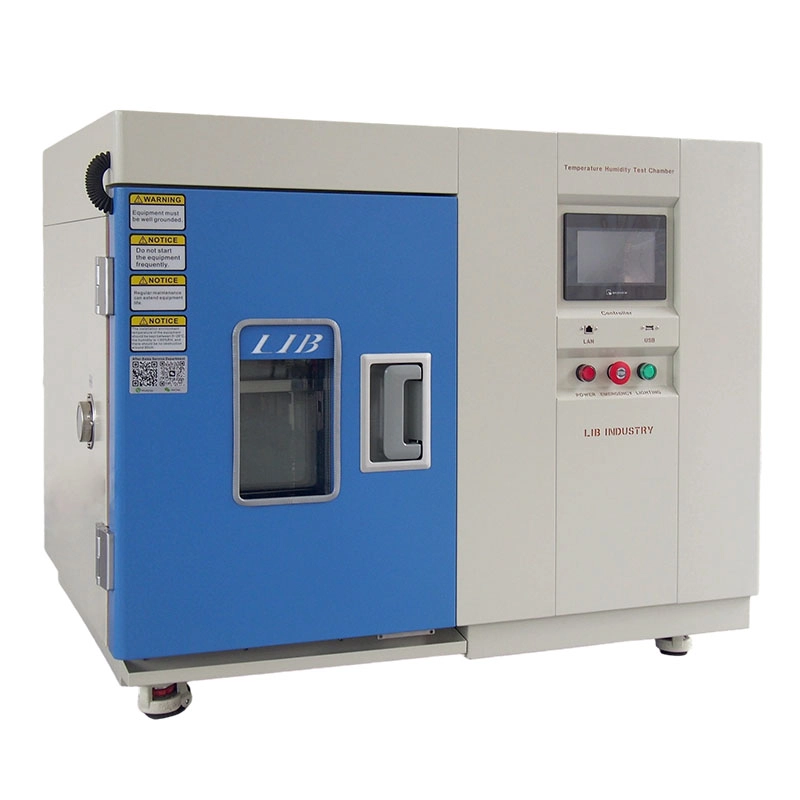
Airflow spread matters a lot for keeping even temperatures in environmental chambers. Uneven air movement leads to spots that are too hot or too cold. This hurts test steadiness. Before looking at humidity issues, users must check how air flow affects heat balance.
Air movement inside a chamber helps mix the air well. But if it’s not even, it makes local hot or cold areas. These spots ruin test results. Things like fan speed, baffle setup, and where samples sit affect how well air mixes. Dense sample setups or blocked vents can stop airflow. Then, heat moves unevenly. This creates temperature differences across the space. In the end, the data gets skewed.
To fix airflow, start by spacing samples right. This avoids blocking paths. Check fan blades and ducts often. Make sure dust does not build up and slow things down. Run tests to map airflow under different loads. These tests show weak spots in mixing. Users can then adjust the setup or how they run it. Better uniformity follows.
Humidity sensor problems add to uneven test data. They come right after airflow effects.
Humidity sensors suffer from dirt or water buildup on them. Over time, high moisture wears them out fast. This causes slow responses and shifts in readings. As a result, relative humidity numbers do not match real conditions. Tests get misleading info.
Protect sensors with dry filters or special covers for tough spots. Follow maker’s advice on when to replace them. Do checks at two points with trusted humidity tools. This keeps accuracy across the whole range.
How loads are set up affects temperature and humidity steadiness in benchtop chambers. Moving from sensor care, it’s important to see how sample placement changes performance.
Too many samples block air paths. They also shift the inner heat balance. Samples spread out unevenly make small areas with wrong temperatures or humidity. Readings differ for items in the same test run.
Stick to the maker’s load limits. This keeps air moving well and heat even. Use trays with holes or racks. They let air flow around each item. This cuts down on still spots that mess up results.
With good hardware in place, software can still cause uneven results if not set right.
PID controllers manage temperature and humidity. They change output based on signals from sensors. If tuned wrong, they overshoot or undershoot targets. This makes conditions shaky. Also, slow responses in long tests hurt steady accuracy. It worsens with changing loads.
Adjust PID settings based on how the chamber acts in real use. Do not use factory defaults. Smart controls can adjust on the fly. They fix delays or outside changes. This keeps things stable even with varying loads.
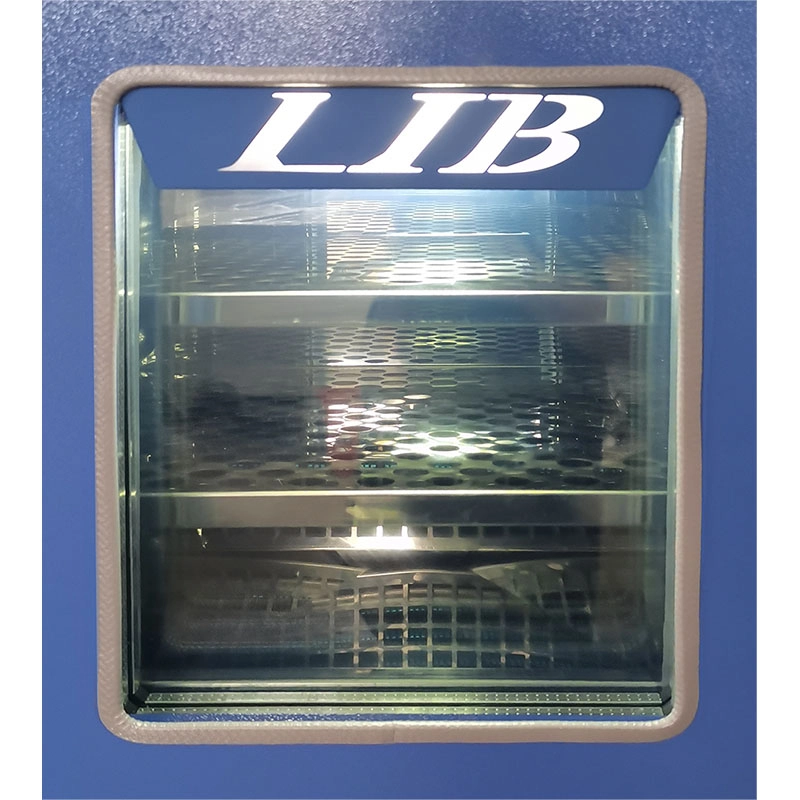
From software tweaks to hardware setup, sensor spots matter a lot for correct readings.
Sensors near walls or air vents pick up wrong values. They catch local changes, not the average. Wrong heights miss conditions at sample levels. This makes measurements off.
Put sensors at several spots in the work area. Average their readings for a true picture. Follow rules like IEC 60068. This sets a standard way to place probes. It fits global test needs.
Good upkeep stops slow breakdowns over years. It goes beyond daily use.
Forgetting to check seals lets air leak. This throws off pressure and temperature control. Low refrigerant hurts cooling. It slows changes and makes steady runs unstable. Both affect how repeatable tests are.
Plan checks for seals, compressors, fans, heaters, humidifiers, and sensors. Write down each task. This links performance to upkeep timing. It helps plan ahead before breaks happen.
Labs want ways to cut out uneven data sources. Working with a skilled maker brings better gear that lasts.
Xi’an LIB Environmental Simulation Industry focuses on benchtop temperature humidity chambers. They suit precise environmental tests in fields like electronics, aerospace, and materials work. Their design stresses high repeat results. They use strong mechanics and strict quality checks for lab use.
These chambers have smart controls for tight temperature and humidity limits. They run steady over long runs. After-sales help includes calibration tips, upkeep training, and advice. All this cuts errors and boosts uptime. It works for many test types.
Uneven test data comes from small oversights, not big failures. Things like calibration shift, airflow issues, sensor wear, software setup problems, or bad load handling cause it. To get steady results, use a full plan. This includes regular checks, good setups, control tweaks, right sensor spots, and steady upkeep. These steps build trust in benchtop chamber work for pro tests.
Going through cycles stresses sensors and parts with heat changes. This causes short drifts. Recalibrating after heavy use brings back true readings.
How often depends on how much you use it. Most need it every 6 to 12 months. But heavy use in tight setups may call for checks every three months to keep things accurate.
Yes, power changes mess with compressor work and control accuracy. A UPS keeps things steady during key tests. It stops small shifts from ruining results.




 EN
EN


