

Lead Provider of Environmental Test Chamber


 Posted on
29 05 2026
Posted on
29 05 2026


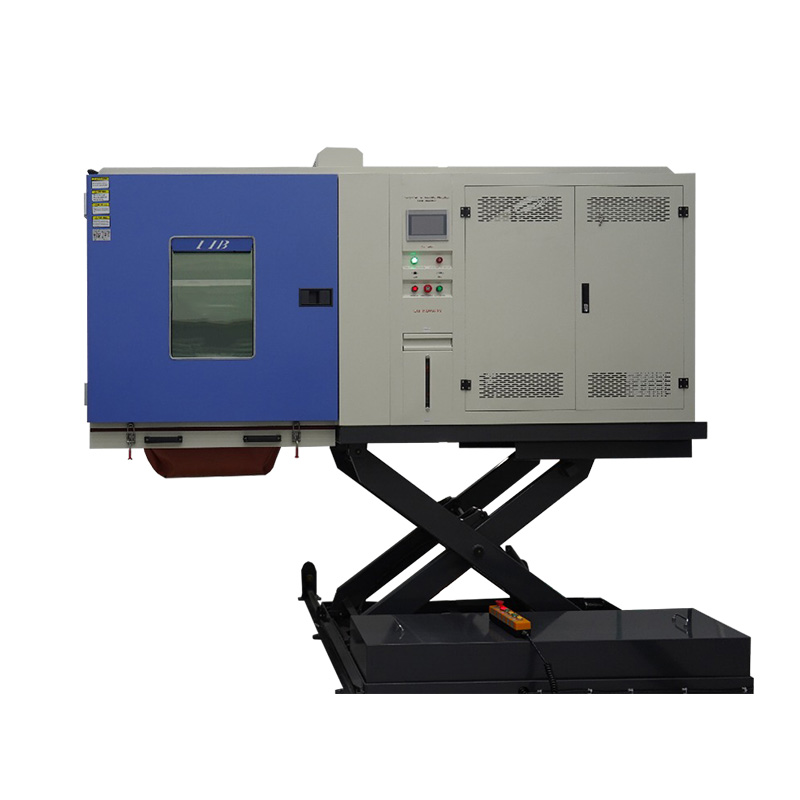
Picking a vibration test chamber goes beyond selecting a device that just shakes items. For makers, labs, and quality groups, the main aim is to spot flaws before products hit the market. A faulty link, broken weld, shaky sensor, or harmed casing might show up only when shaking mixes with warmth, chill, or moisture.
A smartly chosen vibration test chamber lets engineers check products in ways that mimic actual use. Think of a control unit placed near an engine. Or a battery pack moved over bumpy paths. Or an outside gadget facing heat and rain. Or electronic bits stored and shipped through varying weather.
A vibration test chamber checks how products, components, and materials handle mechanical shaking and surroundings stress. Unlike a basic vibration table, a full setup joins temperature, moisture, and shaking in one area.
A vibration shaker makes mechanical motion. A vibration test chamber adds a managed setting around that motion. This counts a lot. Many product issues do not occur from shaking alone. They arise when shaking pairs with high heat, low heat, wet heat, or quick weather shifts.
Take an automotive electronic module as an example. It might pass a test at room heat with just shaking. But the same module, when checked at high heat with moisture and steady shaking, could show weak welds or seal issues sooner.
Real items seldom deal with one kind of stress by itself. A vehicle part on the road might face engine warmth, path shaking, and dampness. A telecom tool might see day-night heat changes while attached to a post or outside box. A battery pack might endure shaking during travel and heat shifts during charging or keeping.
That explains why many shoppers now seek a temperature humidity vibration test chamber. They prefer it over a simple vibration test system.
Various fields use vibration testing for varied goals. Some apply it for meeting rules. Others use it to cut warranty issues. Still more employ it in research and product checks.
Automotive parts meet road jolts, engine shaking, heat cycles, and moisture. Usual test items cover sensors, links, light parts, battery pieces, screens, ECUs, buttons, and charging bits. ISO 16750 covers electric and electronic systems and components in road vehicles. It deals with environmental stresses tied to mounting spots and vehicle operation.
Printed circuit boards, battery packs, portable gadgets, factory controllers, and outside communication gear often break at join points first. A vibration fatigue test can uncover:
Loose terminals
PCB cracks
Poor soldering
Housing deformation
Cable or connector failure
Signal interruption during vibration
For goods meant for export, buyers often require steady test results before large runs or shipping okay.
Items in planes, field tools, tough electronics, and moving setups may face extended shaking periods. MIL-STD-810 holds vibration-linked environmental test ways for gear in service settings. So many shoppers use it as a guide when setting tough product checks.
The top vibration test chamber is not always the biggest or priciest. It is the one that fits the product size, weight, test rule, shaking pattern, and weather conditions.
Frequency range shows if the setup can copy low-frequency travel shaking and higher-frequency machine stress. Load limit must cover the item, holder, wires, and any setup structure. Vibration direction matters too. Some items need only up-down shaking. Others require side-to-side or mixed axis checks.
| Specification | What to Check | Why It Matters |
|---|---|---|
| Frequency range | Low and high frequency coverage | Matches road, transport, machine, or operating vibration |
| Payload | Sample plus fixture weight | Prevents overload and poor test accuracy |
| Vibration direction | Vertical, horizontal, or combined | Matches actual product installation |
| Displacement | Movement at low frequency | Important for transport simulation |
| Acceleration | Stress level during test | Helps reveal fatigue and weak mounting |
| Test profile | Sine, random, cyclic, or custom | Matches standards and real field data |
A vibration chamber with temperature and humidity control helps when failure chances rise under weather stress. LIB’s vibration test chamber page shows temperature from -50°C to +150°C. Humidity runs from 30% to 98% RH. It has ±0.5°C temperature change. Also, ±2.0°C temperature variation. And ±2.5% RH humidity variation.
These limits suit many dependability checks for electronics, car parts, sensors, and factory items. For tougher plans, shoppers should verify the exact temperature limits, rise speed, humidity settings, and test load together.
Many purchase errors begin with chamber size. An item that “fits in” might still be tough to check. The holder may take extra room. Wires need space. Airflow has to flow around the item. Sensors must go in without bumping the chamber side.
Before getting a price quote, get ready:
Sample size and weight
Fixture size and estimated fixture weight
Required vibration direction
Test standard or test curve
Temperature and humidity range
Cable port needs
Data recording needs
Lab power supply and floor space
Rules help shoppers set test settings without guessing. They also make test outcomes easier to match across sellers, labs, and final users.
IEC 60068 deals with environmental checks for parts and gear. IEC 60068-2-86:2024 focuses on shaking tests with multi-shaker and multi-way systems. Meanwhile, IEC 60068-2-53 offers tips for mixed weather and motion checks.
For car electric and electronic gear, ISO 16750 sees common use. For tough and defense items, MIL-STD-810 gets referenced often. Pick the right way and strength based on item use, setup spot, and user needs.
A chamber that seems solid on specs might not fit a needed test. Before buying, check if the vibration test chamber backs the required frequency limits, load, speed-up, axis way, temperature limits, humidity setup, and data output.
A solid buy choice begins with the item’s true work setting. Build the test around field dangers. Do not just use catalog details.
Goods shipped by truck, sea, rail, or plane may face long shaking times. Packaging checks look at if the item, box, padding, support, or base can last repeated motion. Low-frequency shaking and shift often matter more than top speed-up.
Electronics often require steady signal checks during shaking. A buyer might need wire openings, data keeping, see-through windows, and area for real-time watch. Heat cycling can spot errors that skip short shaking-only tests.
Car and battery uses often call for long test times and steady outcomes. The chamber should manage the item weight, setup method, and heat-moisture-shaking mix without shaky control.
For shoppers comparing vibration test chamber sellers, LIB’s setup centers on mixed environmental stress checks. It avoids single-setting tests. The chamber blends temperature, humidity, and electric shaking for dependability checks in lifelike setups.
| Item | LIB Vibration Test Chamber Capability |
|---|---|
| Test conditions | Temperature, humidity, and vibration combined testing |
| Temperature range | -50°C to +150°C |
| Humidity range | 30% to 98% RH |
| Temperature fluctuation | ±0.5°C |
| Temperature deviation | ±2.0°C |
| Humidity deviation | ±2.5% RH |
| Cooling rate | 5°C/min |
| Interior material | SUS304 stainless steel |
| Exterior material | Steel plate with protective coating |
| Control | Programmable control with RS232/USB support |
| Data function | Test profile editing, data logging, and automated operation |
LIB’s vibration test chamber fits shoppers who want more than a plain shaking table. Key perks include settable test patterns, data send-out, far-off links, wire openings with stops, stainless-steel inside build, and safe chamber layout.
These points aid everyday lab tasks. A test worker can run multi-part plans, save test info, watch the steps, and redo the same pattern for varied items. For buying groups, this means the chamber works for product checks, new quality looks, design fixes, and user okay tests.
ld the holder weight, send data, or hold steady heat and moisture in long checks.
Xi’an LIB Environmental Simulation Industry acts as a supplier of environmental test chambers. It handles design, making, sales, and aid for test chamber fixes. The firm says its goods have gone to 42 lands. It has sellers and abroad aid for global users.
LIB provides standard and made-to-order weather chambers. These include temperature and weather test chambers, rust chambers, fade testers, dust and rain chambers, ozone test chambers, gas rust chambers, and linked environmental test tools.
For shoppers, seller aid forms part of the gear worth. LIB notes full aid that includes machine supply, move, setup, tuning, and extra parts. Its aid page mentions a 3-year promise, lifetime follow aid, tech help in 24 hours, training picks, and export-okay wood packing for sea, air, rail, truck, and mixed travel.
Pick a vibration test chamber by test wants, not looks or cost only. The best pick starts with the item, holder, shaking way, frequency limits, load, heat-moisture setups, rules, controller, and aid plan.
For makers checking car parts, electronics, batteries, communication tools, packaging, or tough gear, a mixed temperature humidity vibration test chamber can spot failures near real use. A clear spec list and full quote check will speed seller talks and make them sharper.
A vibration shaker makes mechanical movement. A vibration chamber adds a managed test area around the item. A temperature humidity vibration test chamber joins shaking with heat, cold, and moisture for truer dependability checks.
The right frequency limits depend on the item and test rule. Travel copies may stress lower frequencies. Electronics, car, and plane parts may need broader frequency reach. Shoppers should share the test line or rule before picking the setup.
Yes. A mixed vibration weather test chamber can use temperature, humidity, and shaking in one test plan. This aids when item failure comes from several stresses at once.
Get ready sample size, sample weight, holder weight, shaking way, frequency limits, speed-up, shift, temperature limits, humidity limits, test rule, lab area, power source, and data keep needs. This lets the seller suggest a fitting vibration test chamber quicker.
LIB gives vibration test chamber fixes with mixed temperature, humidity, and shaking checks, settable control, data perks, strong chamber build, and aid for setup, tuning, extra parts, and training.




 EN
EN


