

Lead Provider of Environmental Test Chamber


 Posted on
10 07 2026
Posted on
10 07 2026


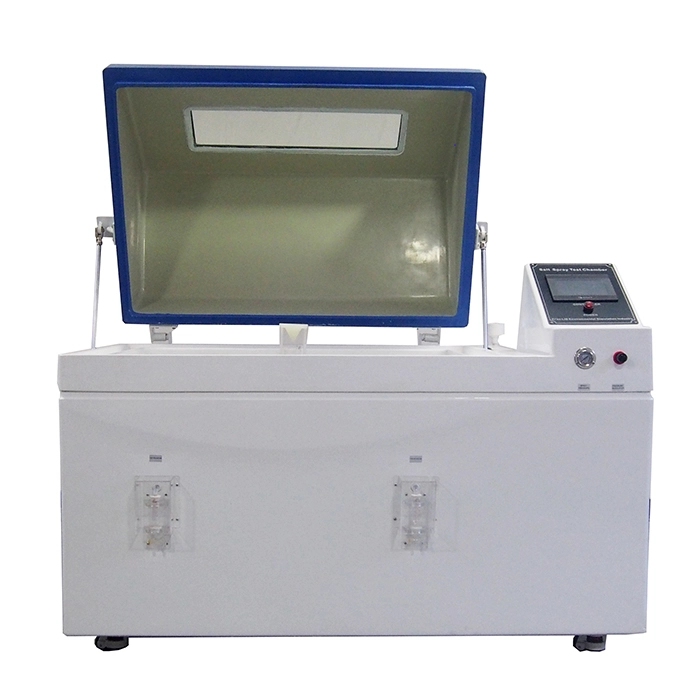
Laboratory managers and quality engineers know the drill. You need a Salt Fog Mist Test Chamber to run corrosion tests on metals, coatings, and electronic components. The budget looks tight, so you choose the lowest-priced option. Six months later, you’re dealing with clogged nozzles, inconsistent results, and unexpected downtime. The cheap chamber ends up costing far more than a properly built unit.
This article breaks down the real total cost of ownership (TCO) when buying salt spray chambers. We’ll look at the problems that appear after the purchase and why experienced labs are willing to pay more upfront for better long-term value.
Entry-level salt fog mist test chambers often look attractive on paper. They meet basic standards and come with a tempting price tag. However, many users discover hidden weaknesses once the chamber starts regular operation.
Common complaints include:
Nozzles that clog after 100–200 hours
Unstable temperature and humidity in the air saturator
Frequent calibration drift
Higher than expected maintenance costs
A quality control lab in the automotive supply chain once bought three low-cost chambers to save money. Within 14 months, two of them required major repairs. The total cost, including lost testing time and revalidation of samples, exceeded the price difference of choosing better equipment by a wide margin.
Many companies need to combine corrosion testing with vibration to simulate real-world conditions. LIB’s Vibration Test Chamber provides a practical and robust solution.
Key Advantages:
Wide frequency range suitable for most industry standards
Excellent table uniformity and control accuracy
Strong payload capacity with stable performance
Easy integration with environmental chambers
User-friendly controls with comprehensive data logging
Typical Specifications:
| Parameter | Performance Range |
|---|---|
| Frequency Range | 5 Hz – 3000 Hz |
| Max Acceleration | Up to 100g |
| Max Displacement | 50–100 mm peak-to-peak |
| Payload Capacity | 100 kg – 1000+ kg models |
| Control Accuracy | ±0.5 dB |
| Table Sizes | Multiple options for different needs |
This chamber helps laboratories run combined temperature-humidity-vibration tests efficiently, giving more realistic reliability data for products exposed to both environmental and mechanical stress.
Salt spray testing uses a corrosive sodium chloride solution. In lower-cost chambers, the spray nozzles often have poor design or cheap materials. Salt crystals build up quickly, leading to uneven spray patterns and invalid test results.
When nozzles clog, operators must stop the test, clean the system, and sometimes restart the entire cycle. This creates significant downtime and can invalidate weeks of testing data. Quality chambers use better nozzle designs and filtration systems that significantly reduce clogging frequency.
The air saturator heats and humidifies the air before it mixes with the salt solution. In many budget chambers, the heating elements and temperature sensors lack precision. Small drifts lead to inconsistent fog density and temperature, which ruins test repeatability.
Experienced labs report that cheap saturators often need replacement or major servicing within 18–24 months, while better-built systems run reliably for 5+ years with normal maintenance.
Regular calibration is mandatory for accredited laboratories. Chambers with unstable sensors require more frequent calibration, increasing both direct costs and administrative burden.
A good Salt Fog Mist Test Chamber maintains stable performance between calibrations. This reduces the number of times you need to bring in external technicians and lowers the risk of failed audits.
Let’s look at a realistic 3-year TCO comparison for a 600-litre chamber:
Low-Cost Option:
Purchase price: $8,500
Maintenance & parts (3 years): $4,200
Extra calibration & downtime: $3,800
Total 3-Year Cost: ≈ $16,500
Quality Option:
Purchase price: $14,000
Maintenance & parts (3 years): $1,800
Calibration & downtime: $1,200
Total 3-Year Cost: ≈ $17,000
Although the quality chamber costs more initially, the difference narrows dramatically when you account for real operating expenses. In many cases, the better chamber actually becomes cheaper within two to three years.
When evaluating suppliers, experienced buyers look beyond the initial quote. They request:
Detailed material specifications (especially interior chamber construction)
Full calibration and test reports
References from similar laboratories
Clear warranty terms and spare parts availability
Technical support response times
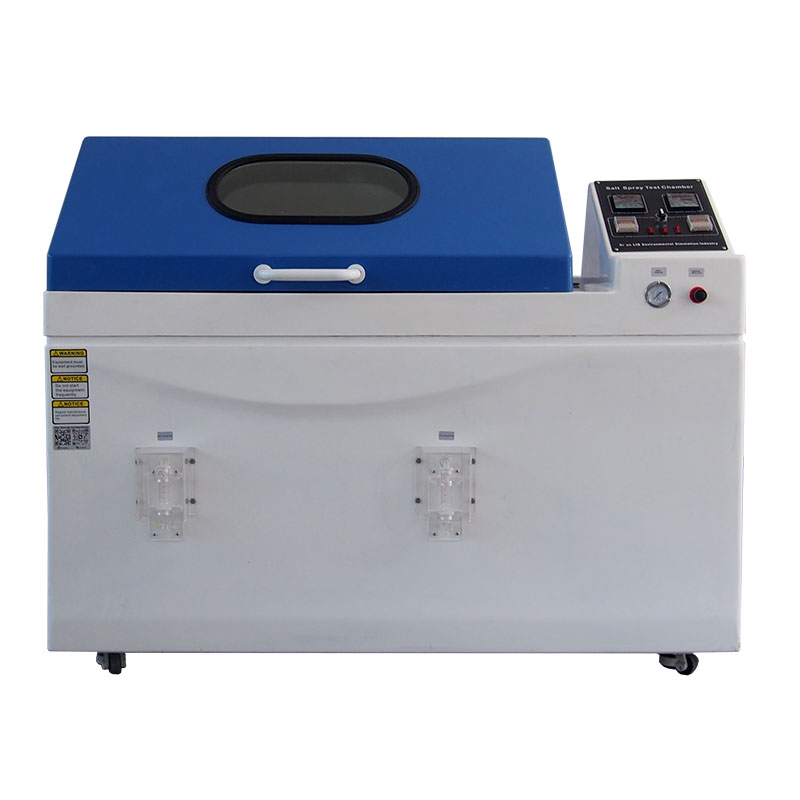
Xi’an LIB Environmental Simulation Industry has earned a strong reputation as a reliable environmental test chambers supplier. They specialise in temperature, humidity, salt spray, thermal shock, and vibration test equipment designed for research, quality control, and manufacturing environments.
Their chambers are known for solid construction, accurate performance, and practical features that make daily use straightforward. With years of experience serving both domestic and international clients, LIB provides consistent results and responsive technical support. Many customers choose them because the equipment delivers reliable long-term performance while remaining cost-effective to operate and maintain.
The true cost of a Salt Fog Mist Test Chamber goes far beyond the purchase price. Nozzle clogging, air saturator issues, and frequent calibration can turn an apparently cheap chamber into an expensive ongoing problem. Laboratories and manufacturers that evaluate total cost of ownership make smarter decisions and achieve better long-term reliability.
By focusing on quality construction, proper certifications, and strong after-sales support, you invest in equipment that works consistently and reduces operational headaches. In today’s competitive environment, the right salt spray chamber becomes a valuable asset rather than a source of frustration.
Poor filtration, low-quality nozzles, and inadequate cleaning routines are the most common reasons. Better systems use improved filtration and nozzle designs to reduce this problem.
Accredited labs typically calibrate every 6–12 months, but chambers with stable sensors may need less frequent calibration if performance remains consistent.
It may pass initial tests, but long-term stability and repeatability often fall short, leading to invalid results and higher overall costs.
SUS304 or higher-grade stainless steel is the standard choice because it resists corrosion from the salt environment and is easy to clean.
Yes. When you calculate maintenance, downtime, and re-testing costs, better chambers often deliver lower total cost of ownership within two to three years.




 EN
EN


