

Lead Provider of Environmental Test Chamber


 Posted on
06 03 2026
Posted on
06 03 2026


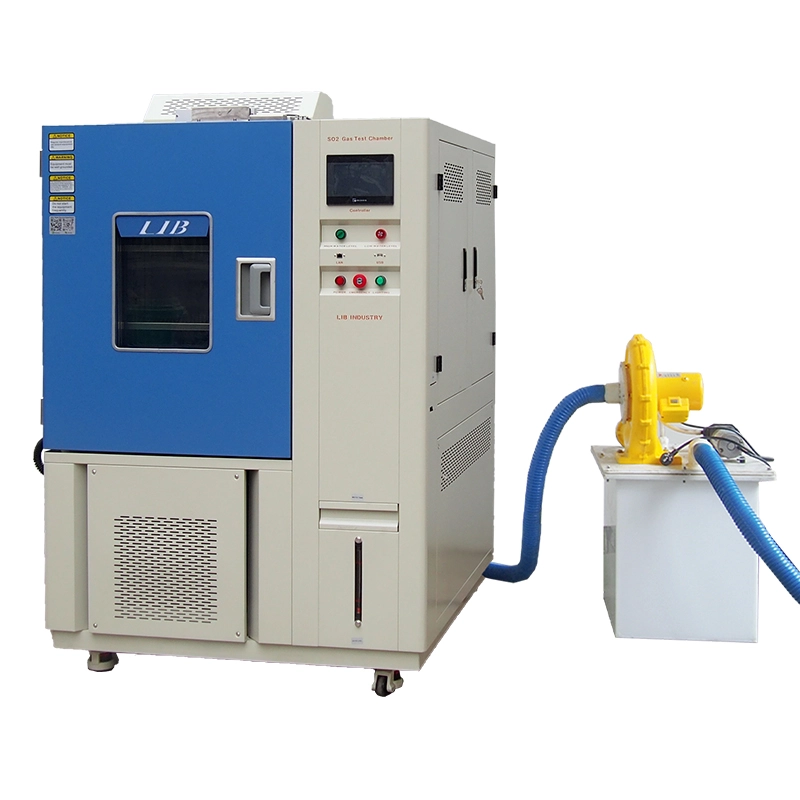
Noxious gas corrosion chambers are important testing spots. They copy tough settings that stuff might meet in daily life. These chambers focus on checking how different items hold up against bad effects from harmful gases like sulfur dioxide (SO2) and hydrogen sulfide (H2S). You often find these gases in factory spots. This kind of check is key for fields where item strength matters a lot, such as building, gadgets, and making things.
A noxious gas corrosion chamber is a lab device. It copies quick rust from contact with bad gases. Makers can see how well an item stands up to these hard spots by copying the settings where stuff meets rough gases.
Key Features: These chambers handle things like heat, wetness, and gas amount to match real spots.
Purpose: The main aim is to check the rust fight of stuff, layers, and other parts against gases that could show up in factory settings.
In a normal noxious gas corrosion testing, items go into a well-managed spot inside the chamber. The main changes include gas contact, heat control, and wetness.
Gas Exposure: Often used gases are sulfur dioxide (SO2) and hydrogen sulfide (H2S). Both can rust stuff over time.
Temperature Control: The heat in the chamber stays at set points. This speeds up the rust process.
Humidity: The wetness amounts get changed to copy damp spots that usually come with gas contact.
Makers gain a good grasp of how stuff will act in real spots by copying these settings. This helps them pick stuff, layers, and safety steps wisely.
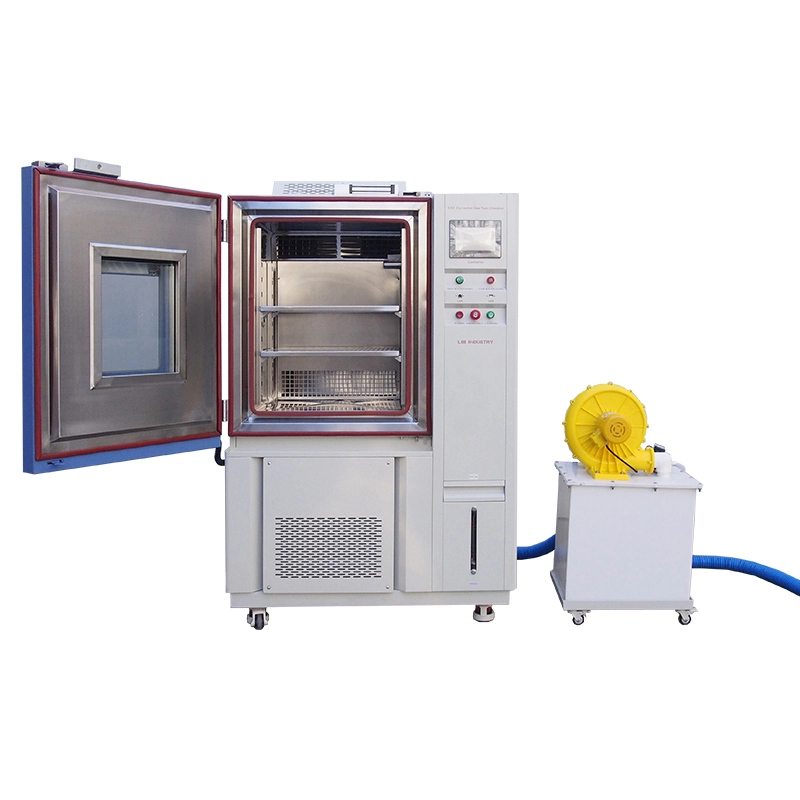
Noxious gas corrosion checks matter for many reasons. They help keep things strong and safe.
For fields like building and gadgets, the strength of stuff is vital. Rust can harm main parts. This leads to breaks and danger risks. Checking stuff in a noxious gas corrosion chamber aids in making sure they are tough enough to handle real spots.
Lots of fields have tight rules about the stuff used in their goods. Makers can make sure their items match field norms and pass needed checks by using corrosion chambers to test gas fight.
Checking stuff in a managed spot like a noxious gas corrosion chamber costs less than real trials. Makers can copy years of contact in a quick time. This cuts the chance of breaks after the good hits the market.
Long contact with bad gases can cut short the life of stuff a lot. Using these chambers for quick age checks helps guess the long run act of goods. It stops early breaks too.
Noxious gas corrosion checks are a key step for fields where stuff meets rough spots. The use of these checks covers many areas. Each gains from knowledge about item strength when hit by rust gases. Let’s look at some main fields that count on this check process to keep the wholeness and long life of their stuff.
Building stuff often meets outside spots where harmful gases can hit them. Checking these items in a noxious gas corrosion chamber helps make sure they can stand long contact without falling apart.
Many gadget devices, like board circuits and links, are touchy to rust. The noxious gas corrosion chamber lets makers check these parts. It makes sure they will work well over time.
In the car field, metal bits of rides meet gases from pipe fumes. This can cause rust. Using corrosion chambers to check these stuff helps stop long harm to ride parts. It makes sure they last long too.
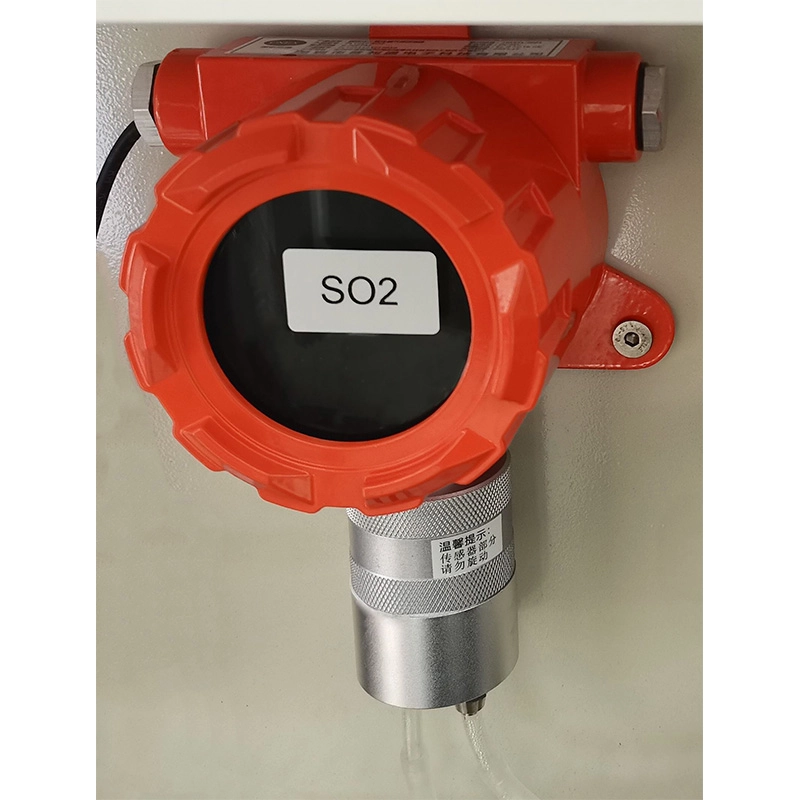
When you use a noxious gas corrosion chamber, think about a few things. These help get good outcomes.
To get right outcomes, the corrosion chamber must be set up well. Steady setup makes sure the chamber keeps the correct gas amount, heat, and wetness points.
Different stuff react to bad gases in varied ways. Picking the right stuff for checks is vital to get trusty outcomes that fit real spots.
The length of the check time is also key. Based on the stuff under check, the span of gas contact might need tweaks to copy varied spot settings.
Xi’an LIB Environmental Simulation Industry is a top giver of test chambers and check fixes. Started in 2009, the firm plans and makes a bunch of high-level spot copy tools. Known for its skill in the area, LIB Environmental Simulation Industry gives noxious gas corrosion chambers, plus other fixes, to aid fields check item strength under hard spots.
With a world reach, Xi’an LIB has turned into a relied-on seller for fields from building to gadgets. It makes sure their goods are top notch and able to handle real tests.
To wrap up, noxious gas corrosion chambers have a big part in aiding fields check the strength and long life of stuff hit by bad gases. Be it for building, gadgets, or car uses, these chambers offer key knowledge that can stop breaks and make sure good trust.
A1: Common gases tested include sulfur dioxide (SO2) and hydrogen sulfide (H2S). Both are known to cause corrosion in materials.
A2: The exposure time depends on the material being tested. It also relies on the specific conditions being simulated. Testing can range from several days to several weeks.
A3: Industries such as construction, electronics, automotive, and manufacturing all benefit. They use corrosion chambers to ensure the durability of their materials.
A4: Regularly testing materials in a controlled corrosion chamber helps. Choosing the right materials for the environment can also ensure their durability.
A5: The primary advantage is the ability to simulate long-term exposure to harmful gases in a short period. This helps manufacturers predict material performance in real-world conditions.




 EN
EN


