

Lead Provider of Environmental Test Chamber


 Posted on
26 02 2026
Posted on
26 02 2026


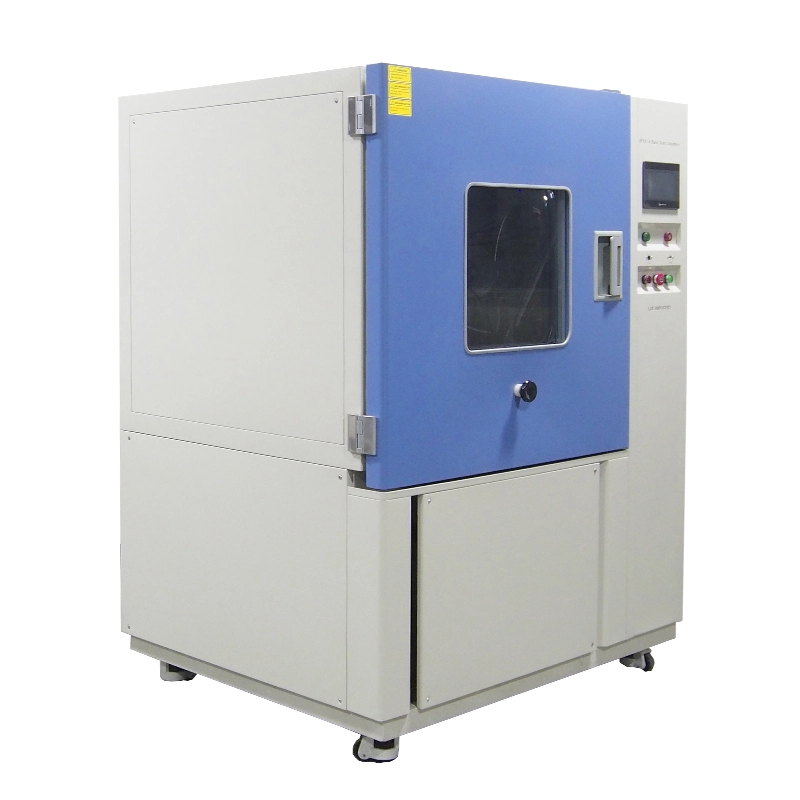
In our quick world of gadgets, the strength and toughness of phones and smart items matter a lot. Makers have to build things that work well. They also need to handle tough weather. A big part of making products is testing them in different settings. This post looks at why IP protection testing is so vital. It plays a main role in keeping mobile and smart devices strong and long-lasting.
Environmental testing means putting products through different weather setups. This mimics real life. It covers checks for hot or cold temps, wet air, shakes, and contact with water or dust. For phones, pads, and other smart gear, testing against water and dust entry is key. That’s when IP testing comes in as very important.
IP testing checks how good a product guards against dust and water. The system, called the IP code, has two numbers.
The first number shows the guard level against hard things like dust or dirt.
The second number tells the guard level against wet stuff, mostly water.
In the phone world, the call for strong IP scores is bigger than before. This is because buyers want devices that keep out water and dust. For instance, lots of smartphones now have IP67 or IP68 scores. These mean they block dust. They can also stay under water at set depths for a bit.
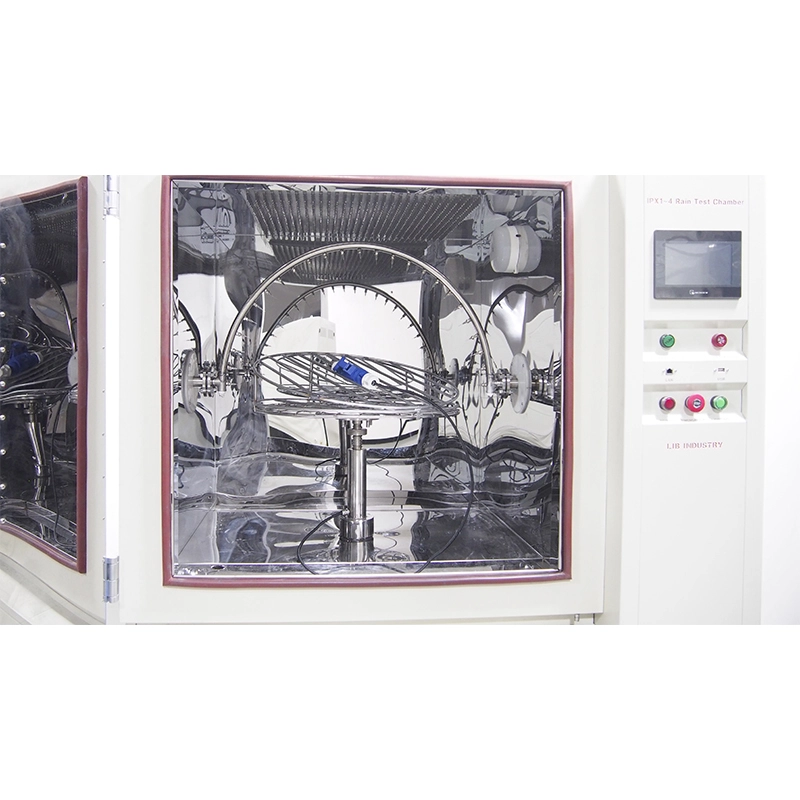
Knowing the different IP score levels helps explain how well a device stands up to stuff like dust and water. For mobile gear, this counts a lot. Buyers want their tech to work fine even in hard spots.
The IP rating list starts at IPX1 and goes to IPX8. Middle levels show growing guard strength. Here is a simple breakdown of these scores.
IPX1: Guard against water drops falling straight down.
IPX2: Guard against water drops when tilted up to 15 degrees.
IPX3: Guard against water sprays up to 60 degrees.
IPX4: Guard against water splashes from any side.
These basic scores matter for devices that face light rain or quick splashes. Take a smartwatch or fitness band. It might get this kind of check. Users often wear them while washing hands or exercising in damp places.
Going higher on the list, IPX5 to IPX8 need tougher checks.
IPX5: Guard against low-force water jets from all sides.
IPX6: Guard against strong water jets.
IPX7: Guard against being under water up to 1 meter for 30 minutes.
IPX8: Guard against staying under water deeper than 1 meter for longer.
These scores are crucial for phones. Users count on their gear to live through short dips in water. This could happen if dropped in a pool or hit by heavy rain.
For phone and smart gear makers, IP testing is a main step in checking quality and proving products. Let’s look closer at why these checks count so much.
Mobile devices often see use in rough settings. This includes outdoor fun, trips, or just daily life in mixed weather. IP testing makes sure a device can take dust, dirt, rain, and even full dips in water. It does this without losing how it works.
Buyers now care more about how tough their devices are. A device with a high IP score builds faith with folks who need their phones and wearables to work anywhere. Giving clear details about a device’s IP score on the box can sway what people buy.
Many areas set rules for gadgets, including blocks against water and dust. Doing full IP protection testing makes sure makers follow these needs. It helps avoid calls back for products or fines.
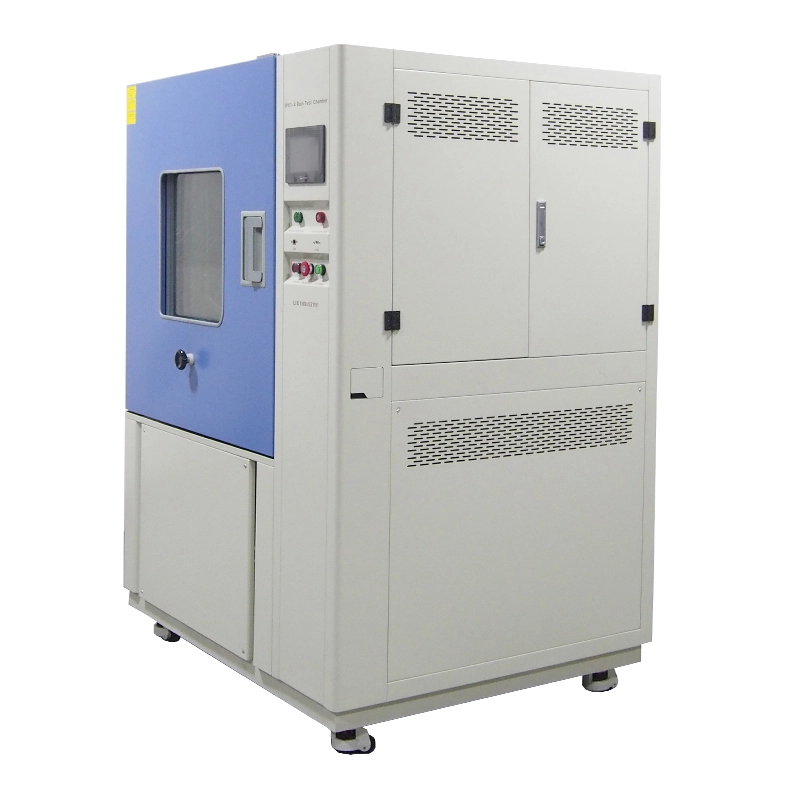
Environmental test chambers, like those from Xi’an LIB Environmental Simulation Industry, give makers the right setups for IP testing. These chambers copy many weather scenes. They help makers see if their products hit the needed IP scores.
Here are the main pluses of using environmental test chambers.
Exact Control of Test Setups: Environmental test chambers let makers handle temp, wet air, and other factors. They do this to copy real spots in a true way.
Speed in Testing: Rather than counting on wild field checks, these chambers give steady and repeat setups. This leads to sure results.
Quicker Time to Shops: With help from auto testing chambers, makers can rush the check phase. They make sure new devices get to buyers sooner. Yet, they keep quality high.
Xi’an LIB Environmental Simulation Industry started in 2009. It has grown into a world top in planning and building environmental test chambers. The firm gives top chambers made to copy a broad set of weather setups. This includes those key for IP testing. LIB’s items see wide use in fields like gadgets, cars, and air travel.
With a solid spot around the world and a growing buyer list, LIB sticks to giving new answers for weather copies. The firm has built a name for being trusty, exact, and fresh. This makes it a go-to friend for makers everywhere.
Environmental testing, mainly IP protection testing, stands as a base for quality checks in mobile and smart gear makers. As buyer hopes for toughness grow, makers must make sure their products stand up to many weather tests. By using environmental test chambers like those from Xi’an LIB Environmental Simulation Industry, makers can check their products’ strength in a true way. This makes sure they hit both trade rules and buyer hopes.
An IP (Ingress Protection) rating shows how well a device guards against dust and water. The first number stands for guard against hard items. The second number points to guard against wet stuff.
IP testing makes sure smartphones can take dust, rain, and quick dips. This boosts their toughness and buyer faith.
IPX7 lets for being under water up to 1 meter for 30 minutes. IPX8 gives guard for deeper or longer stays under water, often past 1 meter.
Yes. Environmental test chambers give exact handle over stuff like temp, wet air, and push. This lets makers copy real weather for true checks.
IP testing counts for fields like buyer gadgets, cars, and air travel. There, products need to stand strong against weather tests.




 EN
EN


