

Lead Provider of Environmental Test Chamber


 Posted on
17 09 2026


Corrosion influences the reliability, appearance, and durability of the product. Corrosion occurs very frequently in automobile parts, metal-coated parts, electronic devices, and industrial machinery. There are needs for reliable techniques to detect corrosion in the products produced by manufacturers.
Two common accelerated tests stand out: the SO2 corrosion test and the salt spray test. They copy different settings and check different kinds of damage. A salt spray test mainly copies a high-salt air. An SO2 corrosion test looks at sulfur dioxide and acidic factory air.
Picking the right test helps engineers get useful data. It also helps improve designs and choose good protective materials. This piece covers the gaps between the SO2 corrosion test and salt spray test. It shows where each one works best. It also guides you on picking the right corrosion test chamber for your items.
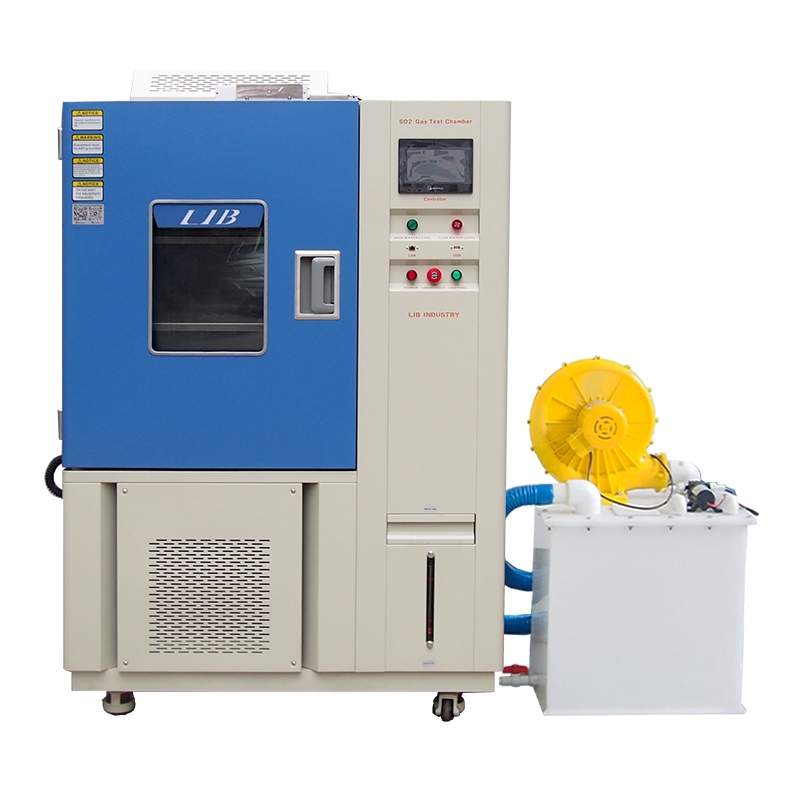
SO2 Corrosion test accelerates damage through exposure of samples to sulfur dioxide gas, with humidity and temperature being held constant. The test is used to determine the resistance of materials to industrial emissions, acid rain, and sulfur-containing air.
It differs from regular salt spray testing. That one uses sodium chloride mist. SO2 corrosion testing makes an acidic air that can harm protective layers and metal surfaces. The test often links to Kesternich testing. It follows standards such as DIN 50018 and ISO 6988.
In the case of SO2 corrosion test, the sample specimens are kept in an SO2 corrosion test apparatus, where a specific quantity of SO2 gas is added in a humid atmosphere. The reaction between the gas and moisture gives rise to corrosive materials.
This approach works well for checking:
Metal surface corrosion resistance
Protective coating performance
Painted steel durability
Electronic components exposed to polluted environments
Industrial equipment reliability
Take a metal box near a factory. It may face sulfur pollutants, moisture, and temperature shifts. An SO2 corrosion test copies this setting better than a basic salt spray test. The acidic air attacks coatings in ways that salt alone does not. This gives clearer data on how the item holds up in real factory zones.
Many factories and cities release sulfur gases. These gases mix with rain and create weak acids. Over time the acids eat into metals and paints. The SO2 test recreates that mix in a controlled box. Engineers can watch the damage happen faster than in nature. They then adjust coatings or materials before full production starts.
Salt spray test is also called salt fog test or salt mist test. It is one of the most used accelerated corrosion methods. It shows how materials and protective layers handle constant salt air.
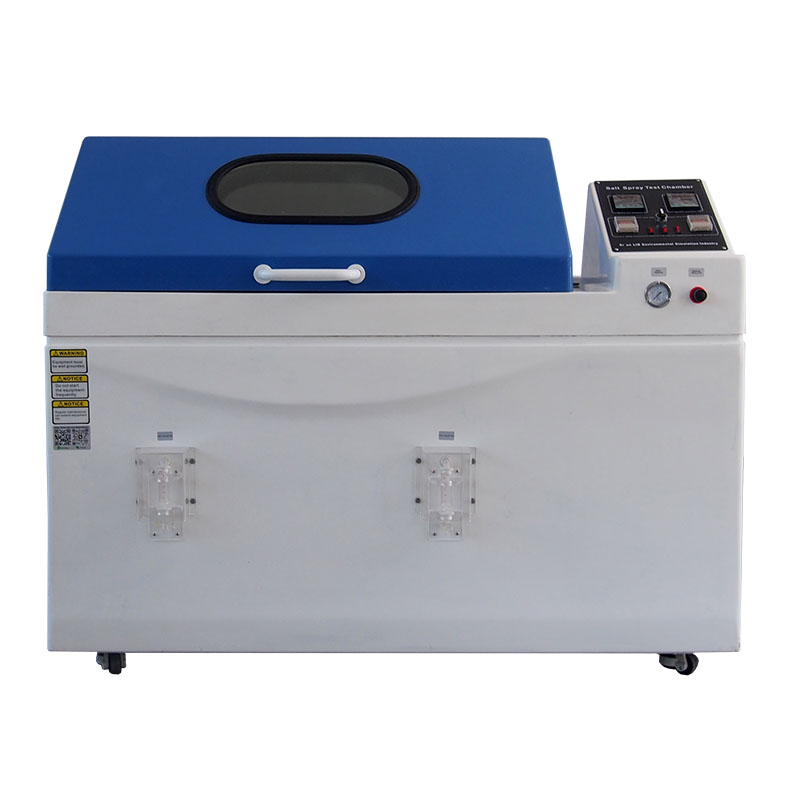
A salt spray chamber makes a controlled harsh space. It sprays a salt solution onto samples. The most common use is checking corrosion resistance of metals, coatings, fasteners, car parts, and marine products.
Common salt spray testing standards include ASTM B117 and ISO 9227.
A salt spray corrosion chamber turns a salt solution into fine drops. These drops land on the samples and speed up the damage.
Salt spray testing is widely used for:
Automotive components
Metal plating
Paint coatings
Hardware products
Marine equipment
Outdoor structures
Car makers often run salt spray testing. They compare different coating systems. They check if parts can fight damage from road salt and coastal air. The test is simple to set up and gives steady results that labs can repeat.
Salt from the sea or winter roads sticks to metal. Moisture helps the salt start chemical reactions. These reactions form rust and pits. The salt spray chamber keeps the mist even and the temperature steady. That way every sample faces the same stress. Results become easy to compare across batches or suppliers.
Both methods check corrosion resistance. Yet they copy different real-world settings.
| Comparison | SO2 Corrosion Test | Salt Spray Test |
|---|---|---|
| Main corrosive factor | Sulfur dioxide gas and moisture | Salt solution mist |
| Simulated environment | Industrial pollution and acid rain | Marine and coastal atmosphere |
| Main corrosion type | Acidic atmospheric corrosion | Chloride corrosion |
| Typical applications | Coatings, industrial parts, electronic components | Automotive parts, metal products, marine equipment |
| Testing equipment | SO2 corrosion test chamber | Salt spray chamber |
| Common standards | ISO 6988, DIN 50018 | ASTM B117, ISO 9227 |
The key gap is the damage process. SO2 testing looks at acidic gases. Salt spray testing checks the effects of chloride ions. So neither method can fully take the place of the other.
The acid gasses produced by industries cause an attack that is totally different from the attack caused by salt in the sea. The former corrodes coatings by chemically reacting with water. The latter makes use of chlorides to corrode the metal surface. This knowledge is important for selecting the appropriate device for the task.
The better method depends on where the product will sit.
SO2 corrosion testing fits products exposed to:
Industrial areas
Chemical plants
Urban polluted environments
Acid rain conditions
Sulfur-containing atmospheres
Typical applications include:
Electrical cabinets
Metal structures
Coated steel products
Industrial machinery components
If a product will be in proximity to factories or areas of high air pollution, an SO2 corrosion test chamber provides more realistic results. This is because the acid solution in the test chamber simulates the air the products will be breathing all their lives.
Factory zones often have higher sulfur levels. Rain falls and turns slightly acidic. Coatings that look fine in salt tests can fail here. Running the SO2 test early catches those weak spots. Teams then switch to better paints or thicker layers.
Salt spray testing is often picked for products exposed to:
Marine environments
Coastal areas
Road salt
High humidity conditions
Typical applications include:
Automotive body parts
Fasteners
Aluminum components
Decorative coatings
Outdoor hardware
Salt spray testing stays popular. It gives standardized and repeatable corrosion comparison results. Labs around the world use the same methods. That makes it easy to share data with suppliers and customers.
Coastal plants or cars driven in winter see constant salt. The mist test copies that stress well. It shows which plating or paint lasts longer under chloride attack. Many quality teams rely on it for daily checks.
For some products, they encounter multiple forms of environmental stresses during their lifetime. In such situations, combining various corrosion testing techniques will produce more complete evaluation results.
For example:
Automotive components may face road salt, humidity, and industrial pollution.
Outdoor electrical equipment may experience rain, moisture, and contaminated air.
Metal coatings may need protection against both chloride and acidic corrosion.
A combined approach helps engineers see coating failure, corrosion growth, and material durability under different conditions. One test alone may miss a weak point that the other catches. Running both builds stronger confidence in the final product.
Many modern items travel or sit in mixed climates. A part made in a clean plant may end up near a port or a factory. Testing for both salt and sulfur covers those real paths. It also supports claims about longer service life.
Picking suitable corrosion testing equipment needs a look at several points.
The chamber should support required standards, such as:
ASTM B117
ISO 9227
ISO 6988
DIN 50018
Matching the standard means results will be accepted by partners and regulators. It also makes it easier to compare data from different labs.
The chamber working area should match the size and quantity of samples.
Important factors include:
Chamber volume
Sample placement space
Test duration
Batch testing requirements
A chamber that is too small forces extra runs. One that is too large wastes energy and time. Measuring samples first saves trouble later.
A reliable corrosion test chamber should provide stable control of:
Temperature
Humidity
Gas concentration
Spray conditions
Accurate control improves repeatability. It makes test results more valuable for product development. Small swings in temperature or gas levels can change outcomes. Good chambers keep those numbers steady for days or weeks.
Xi’an LIB Environmental Simulation Industry provides professional corrosion testing solutions. These include SO2 H2S Gas Corrosion Test Chamber and Salt Spray Chamber for different environmental simulation needs.
| Feature | Description |
|---|---|
| Test environment | SO2, H2S gas corrosion simulation |
| Application | Industrial atmosphere, acidic corrosion evaluation |
| Control system | Programmable temperature, humidity, and gas concentration control |
| Testing purpose | Coating, metal, electronic component corrosion evaluation |
| Industry applications | Electronics, automotive, metal processing, industrial equipment |
Main advantages:
Simulates sulfur-containing atmospheric corrosion conditions
Suitable for industrial pollution testing
Provides stable gas concentration control
Supports customized testing requirements
Designed for laboratory corrosion evaluation
The chamber lets users set exact gas levels and moisture. That matches real factory air more closely. Teams can run longer tests without big swings in conditions.
| Feature | Description |
|---|---|
| Test method | Salt fog and salt mist corrosion testing |
| Application | Metal and coating corrosion resistance evaluation |
| Testing solution | Salt solution spray environment |
| Suitable industries | Automotive, hardware, coatings, marine products |
| Standards support | Common international corrosion testing standards |
Main advantages:
Stable salt spray distribution
Reliable temperature control
Suitable for quality inspection and research testing
Supports different sample sizes
Designed for continuous corrosion testing
Even spray and steady heat give consistent results. The design works for both small lab samples and larger parts. Users can run tests around the clock with little downtime.
Choosing the correct chamber depends on product requirements, environmental conditions, and applicable testing standards. Matching the tool to the real service setting leads to better decisions.
Xi’an LIB Environmental Simulation Industry is a professional test chamber supplier. It specializes in environmental simulation equipment and reliability testing solutions.
The company provides various environmental test chambers for industries including automotive, electronics, aerospace, battery, materials, and manufacturing.
LIB focuses on developing testing equipment that helps customers evaluate product performance under challenging environmental conditions. Its solutions include corrosion test chambers, temperature and humidity test chambers, climate chambers, and customized environmental simulation systems.
With engineering experience and customer-oriented technical support, LIB provides testing solutions designed to meet different laboratory and industrial requirements. Teams can talk with engineers about chamber size, control needs, and special test setups. That support helps labs get reliable data faster.
SO2 corrosion test and salt spray test are both valuable corrosion testing methods. Yet they evaluate different environmental risks. Salt spray testing is mainly used for chloride corrosion evaluation. SO2 corrosion testing is more suitable for industrial pollution and acidic atmospheric environments.
The best corrosion testing method depends on the product application, expected service environment, and required testing standards. For many products, using both methods provides a more complete understanding of corrosion resistance.
Choosing a good corrosion testing chamber manufacturer is very beneficial for producers as it will help to increase product quality, avoid failures, and create more durable goods. Accurate data will be a key to better coatings, materials, and absence of failures.
The main difference is the corrosive environment. SO2 corrosion test uses sulfur dioxide gas to simulate industrial and acidic atmospheric conditions. Salt spray test uses salt mist to simulate marine and chloride environments. Each copies a different real stress, so results answer different questions.
It depends on the application. Salt spray testing is commonly used for general coating evaluation. SO2 corrosion testing is better for coatings exposed to industrial pollution. Matching the test to the end-use location gives the most useful feedback.
Common salt spray test standards include ASTM B117 and ISO 9227. These define testing procedures and environmental conditions. Following them keeps results consistent across labs and easy to share with partners.
No. SO2 corrosion testing and salt spray testing simulate different corrosion mechanisms. The suitable method depends on the actual service environment of the product. Many teams run both when products face mixed conditions.
Corrosion test chambers provide manufacturers the ability to test the product in severe conditions. This gives them an opportunity to determine their ability to resist corrosion.




 EN


