

Lead Provider of Environmental Test Chamber


 Posted on
26 12 2025
Posted on
26 12 2025


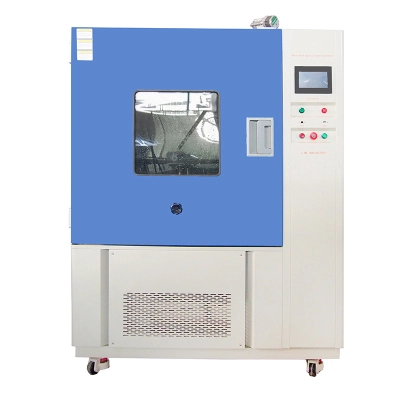
Rain test chambers play a key role in checking how products hold up against water. Industries like automotive and electronics rely on these setups to spot weaknesses early. This guide walks through the process step by step, from setup to results. It draws on proven methods to help teams get accurate outcomes every time.
These chambers mimic real-world wet conditions in a controlled space. They help verify if enclosures or parts can block water ingress. Think about how rain or sprays affect everyday items like outdoor lights or car components. Without solid testing, failures show up later in the field.
A rain test chamber creates simulated rain, sprays, or even high-pressure jets. It uses nozzles to deliver water at set rates and angles. Water circulation systems keep things running without waste. Controllers let users adjust pressure, flow, and duration. Safety features guard against overloads or leaks. Such chambers often meet standards like IP ratings or military specs for dust and water protection.
Teams in labs use them to test products under low-pressure drips up to intense sprays. For example, a setup might rotate the item on a turntable while water hits from multiple sides. This ensures even exposure.
Water damage leads to costly recalls. Reliable tests catch issues before production ramps up. In electronics, a failed seal might short circuits. Automotive parts face road splashes daily. Chambers provide data on how materials perform over time. Studies show that products passing strict water tests last 20-30% longer in harsh environments.
This testing builds trust. Customers expect gear that withstands weather. Labs report fewer returns when they use chambers for IPX1 to IPX9K levels. It’s about more than compliance—it strengthens brand reputation through durable designs.
Setup lays the groundwork for solid results. Skip this, and data gets skewed. Start with clear goals based on the product’s use case.
Pick standards that match the item’s exposure risks. For light rain, go with lower IP levels like IPX1 or IPX2. High-pressure scenarios call for IPX5 or above. Military gear might need MIL-STD 810 for blowing rain and dust mixes.
Review guidelines early. They dictate nozzle counts, water temps, and test times. A common setup uses 40 spray nozzles for even coverage. Adjust pressure from 0.03 to 0.30 MPa depending on the spec.
Place the chamber in a stable spot with good drainage. Check power and water lines. Calibrate flow meters for accuracy—aim for rates like 1.9 to 39.2 L/min based on the test type.
Mount the specimen about 400mm from nozzles. Secure it on a turntable spinning at 17 r/min. Program the controller for auto runs. Ethernet links allow remote monitoring. Run a dry test first to confirm settings.
Preparation cuts errors. Teams often find that proper calibration boosts result consistency by up to 50%.
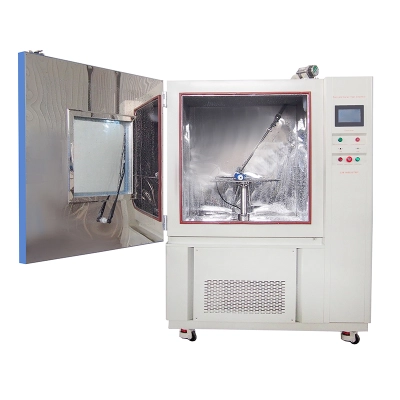
Now the action starts. Follow a sequence to keep things controlled. This ensures data you can count on.
Fix the item securely. Avoid spots where water pools unevenly. For enclosures, seal doors as in real use. Electronics get powered on if the test calls for it.
Position matters. Center it under nozzles for full exposure. Double-check alignments to prevent shadows from blocking sprays.
Hit start on the touchscreen. Water flows through the system, recycling to save resources. Monitor pressure and flow live.
Tests run from minutes to hours. For rain modes, expect steady drips. Spray tests ramp up intensity. The chamber’s stainless steel build resists corrosion, keeping conditions steady.
Watch for anomalies. If pressure drops, pause and adjust. Data logs capture every detail for later review.
Stay alert. Use the controller’s display for real-time stats. Ethernet access lets teams check from afar.
Common issues? Uneven water distribution or overflows. Quick fixes keep the run on track. In practice, labs note that close monitoring catches 80% of potential flaws mid-test.
Data tells the story. Look beyond pass or fail.
After the test, inspect for leaks. Check inside for moisture. Use tools like dye penetrants for subtle ingress.
Compare against standards. IPX4 might allow splashes but no entry. Rate the item on a scale—zero water inside means success.
Leaks often stem from poor seals. Tighten them next time. Corrosion shows up if materials aren’t suited.
In one case, auto parts failed under high jets due to weak welds. Redesigns fixed it, cutting field failures by 40%. Adjust based on findings.
Use a table for quick reference:
| Issue | Cause | Fix |
|---|---|---|
| Water Entry | Weak Seals | Reinforce with better materials |
| Uneven Exposure | Bad Positioning | Center on turntable |
| Pressure Drops | Clogged Nozzles | Clean regularly |
This helps teams spot patterns fast.
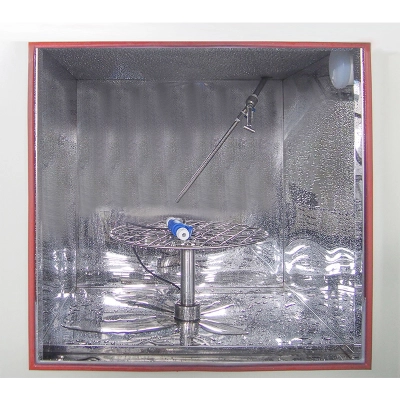
Keep the chamber in top shape. Regular care extends life and accuracy.
Wipe down after each use. Clear nozzles of buildup. Test water quality to avoid clogs.
Weekly, calibrate sensors. Run empty cycles to verify controls.
Store in a dry area. Replace filters every six months. Professional servicing every year catches wear.
Bullet points for quick tips:
Drain systems fully post-test.
Lubricate moving parts like turntables.
Update software for better control features.
Train staff on safe handling to avoid accidents.
Good habits mean fewer downtimes. Labs see 25% more uptime with routine care.
Maintenance ties back to reliable outcomes. A well-kept chamber delivers consistent data, building confidence in test results.
Xi’an LIB Environmental Simulation Industry stands out in the field. Founded in 2009, it designs, produces, and services environmental test equipment under its own brand. Products reach 42 countries, with distributors in places like Canada, Mexico, and Italy. Customers include major names in tech and research. The company offers full support, from installation to training, plus a 3-year warranty. It focuses on quality, with certifications like CE and ISO17025. For rain test chambers, it provides tailored solutions that meet global standards, helping users achieve precise simulations.
Solid testing with rain chambers protects products from water threats. Follow these steps, and results improve. It’s about catching problems early to deliver tougher gear. This approach not only meets regs but boosts market edge. Teams gain from accurate data that drives better designs.
Start by selecting the right standard, like IPX levels. Set up the specimen on a turntable, adjust water flow and pressure via the controller, and run the cycle while monitoring. Inspect for leaks afterward. This method ensures consistent, trustworthy outcomes.
Position the item 400mm from nozzles. Program flow rates from 1.9 to 39.2 L/min based on needs. Activate rotation at 17 r/min. Log data throughout. Analyze for water entry post-test. These steps help verify seals hold up.
Regular checks prevent clogs and sensor drifts. Clean nozzles weekly, calibrate monthly. This keeps simulations accurate. Downtime drops, and test reliability rises with proper care.
Yes. Adjust from low drips to high jets up to 10,000 Kpa. Use the flow meter for precision. This flexibility covers various standards, making tests adaptable to product types.
It simulates real wet conditions early. Spot weak spots like poor seals. Fixes lead to stronger designs. Products last longer in the field, reducing returns and enhancing user trust.




 EN
EN


