

Lead Provider of Environmental Test Chamber


 Posted on
08 05 2026
Posted on
08 05 2026


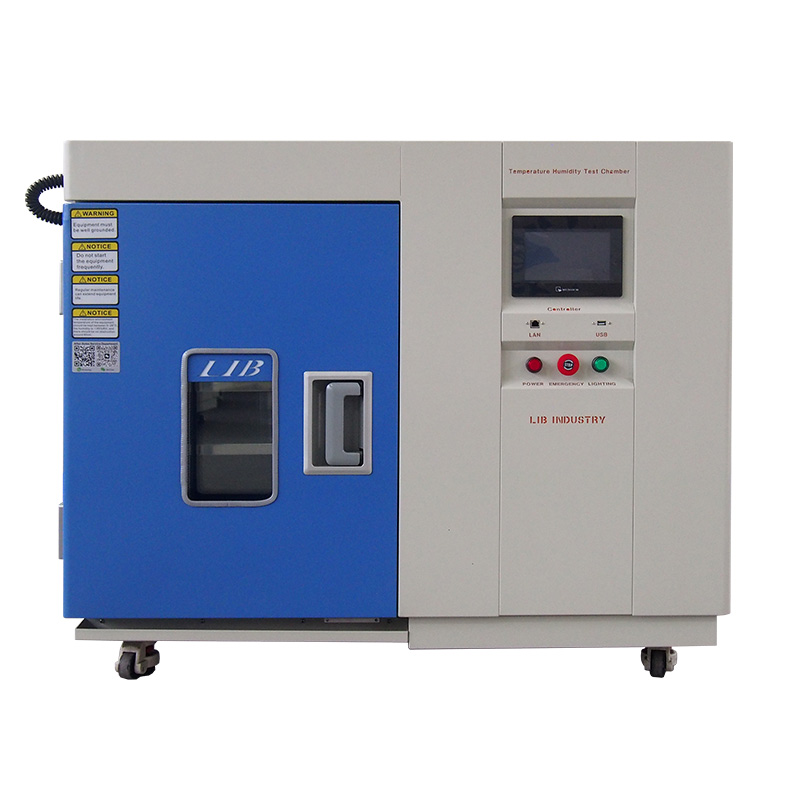
Environmental simulation testing helps make sure products stay reliable and perform well in real-world conditions. It copies things like extreme heat, changing moisture levels, shaking, or rust. This way, makers spot problems early, before items go to buyers. Benchtop chambers work great in labs. They offer exact control over heat, dampness, and physical strain in a small space. Teams can run tests that repeat easily and fast, without big setups. Following global rules like IEC, ASTM, and ISO is key. It ensures tests are correct, repeatable, and accepted worldwide for certification.
Now, let’s move from the basic idea of environmental simulation testing to clear rules that help get steady results.
The International Electrotechnical Commission (IEC) creates widely used rules for testing electrical and electronic gear. Its methods make sure devices handle different stresses they face in daily use. The IEC 60068 series is one of the top choices for environmental testing ways. It sets out conditions for heat shifts, moisture contact, shake strength, and sudden jolts. With these rules, labs can do tests that check product toughness in managed settings that match world needs.
The IEC 60068 series gives clear steps that fit benchtop chambers in lab work. It details ways to test heat changes (IEC 60068-2-14), wet heat (IEC 60068-2-78), shaking (IEC 60068-2-6), and rust resistance (IEC 60068-2-11). These rules keep things even across labs that do environmental checks. They also help compare results from various places. Plus, the series guides on chamber setup checks and function proof to keep measures right over many test runs.
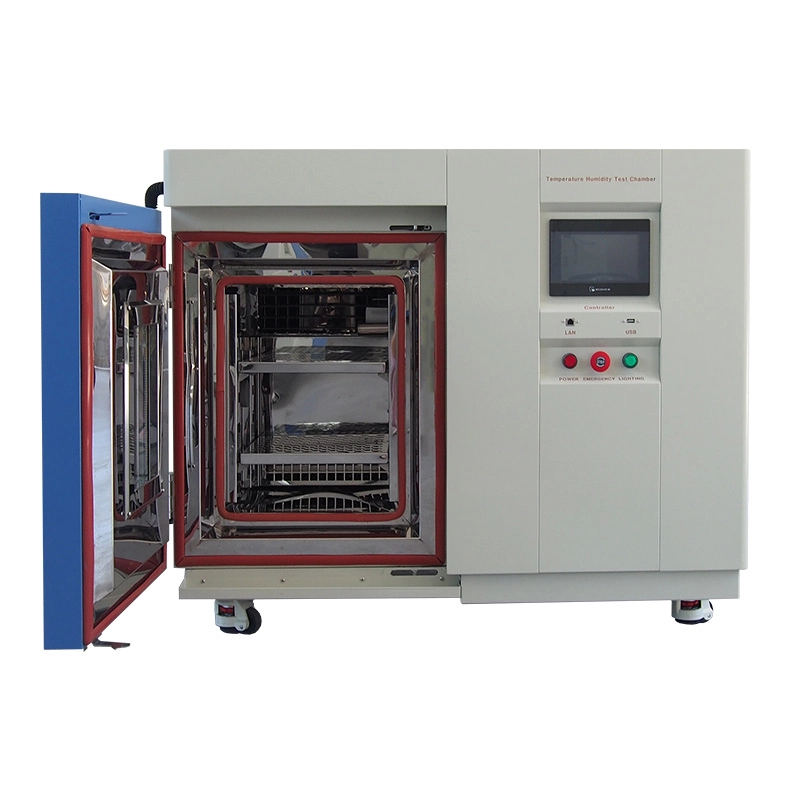
After looking at IEC’s focus on electrical items, we should check ASTM’s part in testing materials for environmental rules.
ASTM International makes agreed-upon rules used in fields like air travel, car making, packing, and material study. For environmental simulation testing, ASTM rules stress checking how materials hold up against strains like heat swings, water entry, or harmful air. Key ones include ASTM D4332 for readying packing materials before ship tests. Another is ASTM B117 for salt mist rust tests on metal covers. These ways offer set paths that boost repeat results in labs around the world.
ASTM rules list exact details like test times, heat ranges, moisture amounts, and cycle exposures. Labs must keep these during tests in benchtop chambers. This care allows fair checks between various materials or covers under the same setup. Also, sticking to ASTM record ways aids tracking. It needs set noting of all test details and outcomes. That is vital for getting environmental testing certification or official okay.
To get full rule-following across fields and areas, ISO rules mix quality care ideas into lab work.
ISO has a main job in matching world testing ways through clear quality setups. These aim to keep things steady and skilled. ISO/IEC 17025 sets needs for skill in testing labs that use benchtop chambers or other gear. It requires setup trace links, worker skill checks, and written quality steps. ISO 9001 adds to this. It centers on fitting lab systems to client hopes and rule duties. Both are must-haves for solid rule results.
ISO also puts out test rules tied to surroundings for different areas. For example, ISO 16750 lists environmental setups for car electrical parts. It covers heat shock and shake rules. Likewise, ISO 4892 gives steps for checking sun-light aging on plastics with fake sun chambers. Following these boosts trust in world markets. It shows sticking to known global marks for product okay.
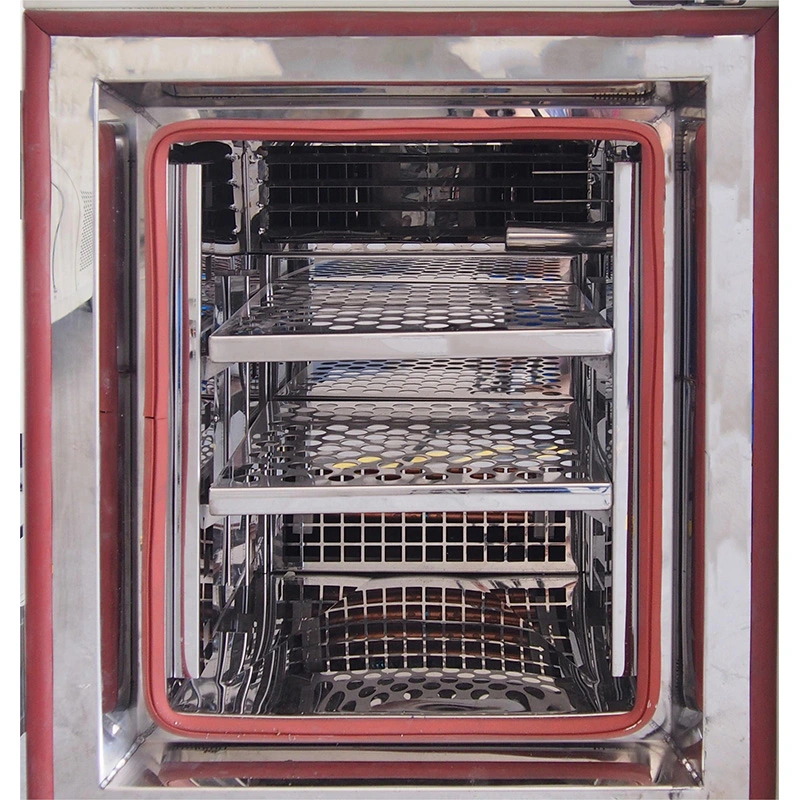
Blending several rule groups into one full plan covers all product types well. It also keeps work smooth.
Today’s labs often deal with client needs that overlap. These span electronics (IEC), materials (ASTM), and quality care (ISO). Blending these groups lets places cut extra work. At the same time, they keep tight rule matches. Linking steps between rule sets ensures steady measure rightness. This holds even if checks come from different cert groups or areas. Such a joined way boosts data trust in product check stages.
Sticking to known global test rules gives tech sureness and business gains for makers aiming to grow markets.
Following IEC, ASTM, and ISO specs shows a product’s strength in varied surroundings. That builds buyer trust. Steady use of these rules speeds up cert okay from rule groups or main gear makers (OEMs). Also, clear check steps backed by world-known groups lift brand name. They cut risks from on-site breaks or claim fixes.
Shifting from idea bases to real use shows how special providers help labs reach rule top marks.
Xi’an LIB Environmental Simulation Industry is a solid maker focused on exact benchtop climate chambers. These handle heat cycling, moisture rule, shake review, and mixed strain fakes. Their gear follows IEC 60068 series needs, plus related ASTM and ISO paths. This makes easy fit into approved testing plans for environmental testing certification rule-keeping. The firm aids research spots, electronics builders, car part creators, and material labs wanting strong fixes. They back this with skilled tech advice and quick after-care help.
Sticking to IEC, ASTM, and ISO frames makes sure benchtop chamber-based environmental simulation gives data that fits world-accepted marks for trust checks. Blending these systems boosts work between labs everywhere. It also betters flow in product okay tasks. As fields push toward green innovation aims, set environmental simulation stays key. It helps not just with rule-keeping but also builds lasting trust between makers and world markets.
IEC centers mainly on electrical gear performance checks. ASTM stresses material acts under set strains. ISO mixes both views in a wider quality care frame. This fits many fields seeking steady rule results.
Benchtop chambers built to world test rules promise steady outcomes that meet rule hopes. They aid smooth global cert steps through trackable record ways.
Xi’an LIB gives benchtop climate chambers set up per IEC/ASTM/ISO specs. They come with full record packs to ease cert checks. This helps keep ongoing rule work in approved lab spots for advanced environmental simulation testing plans.




 EN
EN


