

Lead Provider of Environmental Test Chamber


 Posted on
07 05 2026
Posted on
07 05 2026


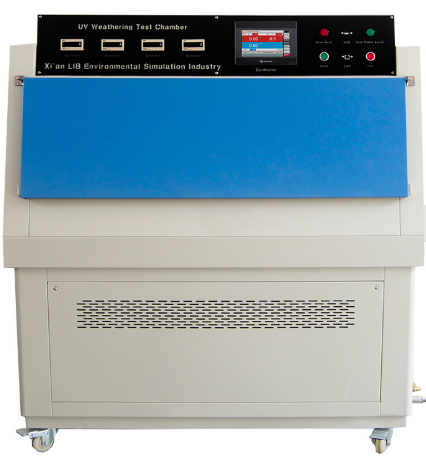
UV weathering tests help check how materials handle long exposure to ultraviolet rays, heat, and water. These tests copy the impact of sunlight on items like plastics, paints, coatings, and building supplies. Experts can guess how well materials will last over time by using a controlled setup that mimics outdoor weather. Fields like car making, plane building, and construction use these checks to make sure products stay strong and last long. Quick testing methods let labs copy years of real weather in just weeks or months. They do this by boosting things like UV strength and warmth.
The length of a UV weathering test changes based on a few key weather factors. Main ones include the strength of UV light, room heat, moisture amounts, and water cycles that copy morning dew. Each of these affects how fast damage happens. Different materials, such as plastics or paints, react in their own ways to these stresses. So, teams create special exposure plans to get true results. This way, the test shows real-life strength without guessing too high or too low.
To understand test length better, let’s look at how sped-up hours work in UV checks.
“Accelerated hours” mean the full time materials face stronger fake weather compared to real outdoor sun. For example, 1000 accelerated UV test hours might equal months or years of natural light, based on the place and how tough the weather is there. Rules like ASTM G154 and ISO 4892 set clear times and cycle plans for steady results in labs. These rules link lab findings to real outdoor info, so predictions from fast aging make good sense.
What a material is made of plays a big part in how long UV weathering tests take. Plastics often need more time because their tiny chains break down slowly under UV rays. Paints might show quick color loss or shine fade from surface rusting. Mixed materials break in ways that depend on the glue type and added fibers. Shiny or colored surfaces change how much UV they take in—light colors bounce back more light, while dark ones soak up more power. This leads to varied test times for the same level of wear.
Now, we can explore common times for these cycles in lab work.
In labs, a usual UV aging cycle mixes light and water steps—for instance, 8 hours of UV light then 4 hours of water build-up at set heat levels. Overall test times often go from 500 to 2000 hours, depending on how long the product should last and what the goals are. Quick tests help compare different mixes, and longer ones over 2000 hours check if products meet strength or approval needs.
How you set up a cycle links right to what you want to learn. Brief cycles work well for early damage signs like color shifts or surface splits. Longer ones focus on lasting strength, such as keeping pull power or shine over time. Switching between light and dark, or wet and dry, copies real weather changes better than steady light alone. This gives a truer picture of outdoor wear.
From basic cycle ideas, it’s key to see how big global rules set exposure times for various fields. These standards guide tests worldwide to keep things fair and reliable.
ASTM G154 lays out steps for UV lamp tests with UVA-340 or UVB-313 bulbs plus water steps to copy dew. It lists standard cycles, like 8-hour light and 4-hour dark, and suggests times for uses such as paints or plastics.
ISO 4892 gives full methods for fluorescent bulb (Part 3) and xenon bulb (Part 2) tests. It suggests times that fit plastics, paints, rubber, and other flexible materials based on where they will be used.
SAE J2020 targets car outside parts that face strong sun in many places. Check tests under this rule often last 1000 to 3000 hours, depending on the material and what strength is needed.
Even with global rules, labs set different times due to their tools and settings.
Various bulb colors cause different wear patterns: UVA-340 bulbs match real sun in key short-wave areas, while UVB-313 bulbs speed up damage with stronger energy. Room setup—like bulb placement, light spread, and check-ups—affects how well tests match across places.
Heat control matters a lot because higher warmth speeds up reactions that break down plastics. Moisture rules keep water take-up steady during water steps. Good water systems help form thin water layers on samples, which affects how cracks or bubbles start in long tests.
Before starting tests, teams must weigh true results against real limits.
Long tests give deep views of material strength but raise costs and tie up gear longer. Picking the right cycle time lets teams get useful info fast without wasting effort.
To check lab results, outdoor match studies compare fast test data with real performance from different weather areas. These help improve guesses that tie sped-up UV test hours to true use life in various spots.
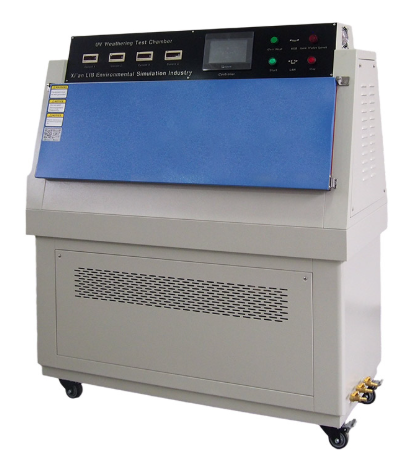
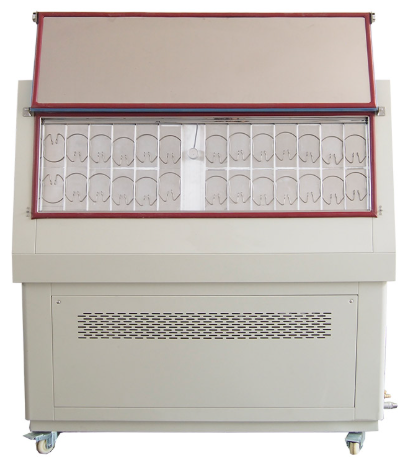
Xi’an LIB UV weathering resistance test chambers are designed for accelerated aging simulation of materials under controlled UV, temperature, and humidity conditions, ensuring high repeatability and compliance with international standards.
| Feature | Specification | Benefit |
|---|---|---|
| UV Light Source | UVA-340 / UVB-313 lamps (optional) | Simulates different solar UV conditions |
| Irradiance Control | Closed-loop automatic control | Stable and consistent UV exposure |
| Temperature Range | Ambient to high-temp programmable cycles | Realistic thermal aging simulation |
| Humidity System | Condensation / humidity cycling | Simulates dew, rain, and moisture aging |
| Control System | PLC + touchscreen interface | Easy programming of test cycles |
| Standard Compliance | ASTM G154, ISO 4892 series | Global test consistency |
Precise UV simulation with stable lamp output for long-term testing
Customizable test cycles (light/dark, temperature, humidity combinations)
Uniform exposure design ensuring consistent results across all samples
Real-time monitoring system for temperature, irradiance, and humidity
High repeatability for comparative material durability studies
Xi’an LIB Environmental Simulation Industry stands out as a skilled maker of top environmental test gear, including strong UV weathering resistance chambers that follow rules like ASTM G154 and ISO 4892 series. Their setups have exact light control to keep steady color output in long tests. Custom cycle choices let users tweak light and dark times while holding even heat and moisture inside the room for steady outcomes in many runs.
Xi’an LIB Environmental Simulation Industry stands out as a skilled maker of top environmental test gear, including strong UV weathering resistance chambers that follow rules like ASTM G154 and ISO 4892 series. Their setups have exact light control to keep steady color output in long tests. Custom cycle choices let users tweak light and dark times while holding even heat and moisture inside the room for steady outcomes in many runs.
The length of a UV weathering test time hinges on material makeup, room setup, chosen bulb type, weather control skill, and rules like ASTM G154 or ISO 4892. Sped-up UV test hours offer good hints on long-term work when matched well with outdoor info. Smart planning of UV aging cycle duration makes sure each test fits product aims while keeping trust in strength checks.
Usual tests last 500 to 2000 hours based on material kind and goals; but car parts or strong materials might need up to 3000 hours or longer.
Yes, brief tests help for early checks or mix comparisons if they follow known rules with steady settings.
No, differences come from tool types, bulb kinds, light levels, and client needs set by field rules or in-house plans.




 EN
EN


