

Lead Provider of Environmental Test Chamber


 Posted on
01 01 2026
Posted on
01 01 2026


Data centers changed from basic storage spots into strong computing hubs. With the jump in cloud use and AI tasks, high density data centers fit more servers into tight areas. This change brings better work but also raises dangers from heat, damp air, and other things. Environmental testing matters because it finds problems before they lead to breaks. Let’s look at why this step acts as a key part for today’s setups.
The world depends on data. From watching videos to handling deals, all relies on solid servers. High density data centers squeeze thousands of racks into small spots, often past 30 kW per rack. This setup lowers costs and speeds things up, but it needs exact control over the area around.
Studies show world data center size grew twice in the past five years, pushed by edge work and 5G links. Firms build these places nearer to people for quicker answers. But this rise comes with issues. Heat piles up and can push temps to 40°C or more, putting strain on parts.
A few things push the switch to high density data center cooling challenges. First, the burst of big data checks needs more power in less room. Second, green goals favor thicker setups to cut energy loss. Third, work from home and web services increase the call for steady run time.
Picture a common case: a money company deals with millions of trades each day. They move to high-density forms to manage busy times without bigger buildings. This cuts land costs but boosts the need for environmental testing for data center equipment.
The shift to denser plans links straight to check methods. Without them, small changes in air or wet could start breaks.
Crowded racks make strong heat. Old cooling may not work, causing hot spots. Wet swings can lead to water drops on wires, while dust or eating agents speed up damage.
In beach zones, salty air threatens metal bits. Data center environmental simulation chambers copy these states to find troubles early. Managers deal with stop costs around $7,900 per minute, so stopping them counts.

Testing copies real stresses to check gear strength. In high density data centers, where room for mistakes gets small, this act shows real value. It goes past simple looks, checking how parts handle tough spots.
Discover more about testing solutions that handle these calls. Such ways help keep work under stress.
Different checks aim at certain threats. Here’s a list:
|
Test Type |
Purpose |
Typical Duration |
|
Thermal Shock |
Quick temp shifts to spot fails |
100-500 cycles |
|
Vibration |
Copies move or shakes |
1-24 hours |
|
Altitude |
Low air for high spots |
Up to 72 hours |
These checks come from world rules, keeping things the same across places.
From these ways, managers get views on long run acts. For example, a server may run okay at room temp but fail after many heat rounds.
Good testing drops fail rates by up to 50%. It finds plan flaws soon, saving on fixes. In one spot, a phone provider skipped a big stop by finding wet-sensitive chips through copy tests.
Better strength means longer gear life, often from 3 to 5 years. This raises return and backs green steps by less waste.
In dense forms, even tiny area changes can grow into large troubles. Testing builds toughness by putting gear in controlled tough spots. This forward way keeps systems smooth.
Learn about our company background to see how skill in this area pushes new ideas.
Begin with first makes. Run thermal cycling tests for servers to check cooling parts. Then, grow to full sets.
Constant watch uses info from start checks to set bases. Feelers track now states, warning of shifts.
A make plant in Asia checked racks under copied hot wet. Outcomes led to stronger seals, stopping wet in during rain times.
This mix goes into keep plans. Steady looks, based on check info, stop shocks.
Think of a cloud giver growing in Europe. They met changing weathers, from cold winters to wet summers. Environmental testing data center equipment showed weak spots in power feeds. Changes made sure 99.999% run time.
One more: a shop web giant handled high density data center cooling challenges. Shake checks during ship copies found loose links, stopping field fails.
Figures show the tale. Places with strict checks note 30% less events. This steadiness builds faith with users, making market spot stronger.
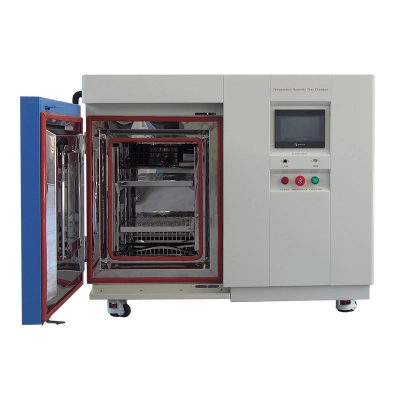
Past basics, forward setups copy mixed stresses. Like heat with shake, or wet with eating agents. These match hard real scenes.
Check our service offerings for fit copies that match certain needs.
Not all centers match. Edge spots in far areas need dust fight, while city ones battle dirt.
Fit checks as needed. For corrosion resistance in data centers, change salt amounts based on place.
A guard maker used fit humidity testing in data centers for tough servers. This made sure work in bad field states.
Such personal touch closes the space between lab and real, giving useful outcomes.
As densities go up, testing changes. AI-led copies guess fails quicker. Link with IoT lets now fixes.
Look for more on green, like low power check ways. This fits world pushes for cleaner tech.
As a focused giver of test chambers, Xi’an LIB Environmental Simulation Industry works on gear for weather, rust, and other copies. Started in 2009, the firm helps world markets with trusty tools for fields like wires and air flight. Their aim on good and personal helps clients hit tight rules, making sure goods stand different states.
Get in touch for inquiries to look at how their things can back your works.
The climb of high density data centers shows the need for strong guards. Environmental testing matters by making gear strong against sure stresses, setting the path for smooth runs. Taking these steps not just cuts dangers but lifts total work in a data world.
Cooling gets hard as racks get close, making more heat. Good air flow and water cool systems aid, but checks prove they work under weight.
It spots weak areas early, like heat grow issues, letting fixes before use. This lowers sudden fails, often by 40% or more.
Wet can cause shorts or rust. Checks copy high RH scenes to make sure parts stay dry and work.
In dirty or beach spots, rust eats metals. Checks with salt spray prove guard steps, making hardware last much longer.
Chambers change for certain checks, like mixing heat and shake, to fit unique run areas. This exactness raises link and outcomes.




 EN
EN


