

Lead Provider of Environmental Test Chamber


 Posted on
15 01 2026
Posted on
15 01 2026


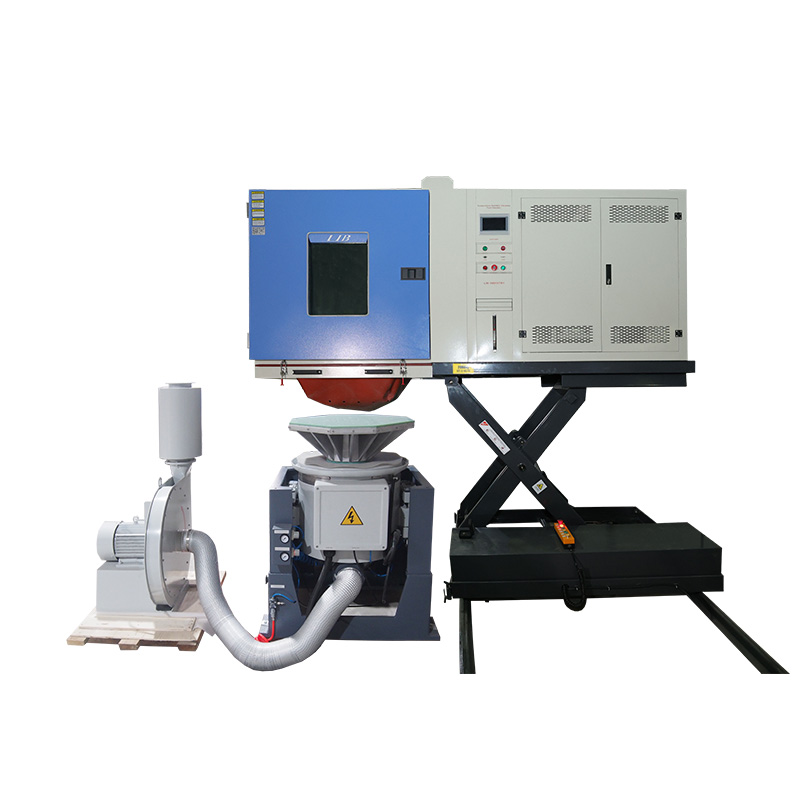
In the quick-moving world of making things, making sure products stand strong against real stresses is very important now. Engineers and quality groups often pick special gear to copy rough conditions. This method spots weak points soon. And it cuts time and money later. In these tools, the vibration test chamber is special for its power to copy mixed weather factors. Let’s see what makes these chambers key for solid product building.
A vibration test chamber mixes machine shakes with set heat and dampness to check how things work under pressure. It recreates cases like rough roads or bumpy flights. The chamber’s build lets for exact changes, so tests fit certain wants.
This equipment fits into broader reliability testing workflows. It bridges the gap between simple shake tests and full environmental simulations. For those in product design, knowing its core setup opens doors to better quality control.
At its heart, the chamber uses an electrodynamic shaker to generate vibrations. This shaker moves samples in multiple directions—up and down, side to side, or in circles. Meanwhile, built-in systems handle temperature swings from cold lows to hot highs, often between -50°C and +150°C. Humidity levels adjust from 30% to 98%, adding moisture stress.
Controls come through user-friendly interfaces. Operators set profiles via touchscreens, linking to computers for data logs. This means running cycles that ramp up heat quickly, say at 5°C per minute, while keeping vibrations steady. Safety features, like sealed ports for cables, prevent mishaps during long runs.
Such mechanics make the combined vibration testing process efficient. No need to move samples between machines; everything happens in one spot.
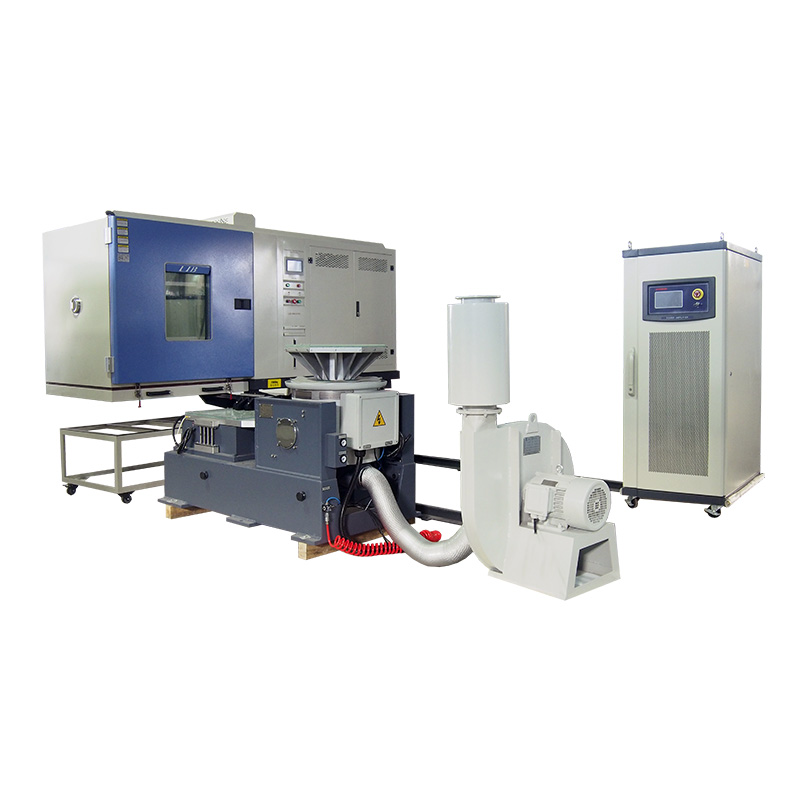
These chambers serve multiple roles in testing labs. They go beyond basic shakes to provide comprehensive checks.
One key function involves replicating everyday jolts. For example, in automotive parts testing, the chamber mimics engine vibrations mixed with heat from a desert drive. This reveals if components crack or loosen over time.
Another role is thermal cycling under vibration. The system heats and cools samples rapidly while shaking them. This tests material bonds, like in electronics where solder joints might fail from repeated expansions.
Humidity integration adds another layer. Moist air combined with shakes can accelerate corrosion, showing how products fare in humid climates.
Modern chambers log every detail—vibration frequency, temperature fluctuations, humidity peaks. This data helps teams pinpoint failure points. For instance, if a part breaks at 10g force after 100 cycles, adjustments follow.
Programmable setups allow up to 100 test sequences, each with segments for varied conditions. This flexibility suits complex standards without manual tweaks.
In short, these functions turn abstract specs into actionable insights, helping refine designs before market launch.
Reliability grows when tests cover multiple factors at once. That’s where advantages shine through.
Switching to these chambers brings clear gains for testing operations. They cut down on separate equipment needs, streamlining workflows.
By merging vibration with climate control, labs avoid shuffling samples around. This reduces setup time—often by hours per test. In high-volume settings, like electronics manufacturing, this means more runs per day.
Durability stands as another plus. Chambers built with stainless steel insides and coated outsides resist wear, lasting years with minimal upkeep. A typical unit handles payloads up to 500kg, fitting large items without strain.
Safety elements, such as adjustable shelves and protective plugs, minimize risks. Plus, long warranties—up to three years—cover repairs, easing budget worries.
Tests uncover hidden flaws early. Consider aerospace components: vibration mixed with cold simulates high-altitude flights, ensuring parts don’t fail mid-air. This leads to fewer recalls and stronger reputations.
Data from these tests feeds into design tweaks. Teams see how materials behave under stress, leading to tougher products. In competitive fields, this edge builds trust with clients.
Overall, the benefits of vibration testing include faster development cycles and higher quality outputs. Industries rely on this to stay ahead.
From cars to gadgets, applications vary widely.
Vibration test chambers find use across sectors where durability counts.
In each case, the chamber adapts to specific demands. For more on tailored setups, check the Solution Center.
This versatility makes them a go-to for quality assurance.
Selecting the right one involves weighing factors like size and power.
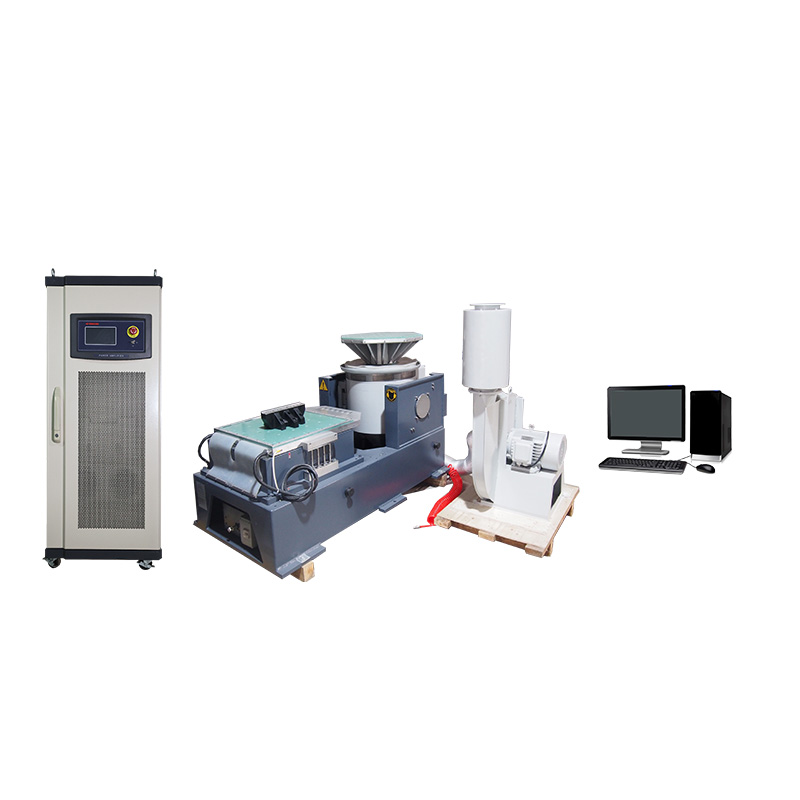
Size matters first—internal space must fit your largest samples. Look for dimensions around 1000mm cubed for versatility.
Power supply compatibility ensures smooth integration. Most run on standard 380V, but confirm local specs.
Control features count too. Opt for systems with USB ports for easy data transfer.
Maintenance support seals the deal. Providers offering 24/7 help and quick parts delivery keep downtime low.
For detailed options, explore Vibration Test Chambers.
These choices impact long-term performance.
Before wrapping up, a note on a key player in this field.
Xi’an LIB Environmental Simulation Industry started in 2009 as a maker of environmental test equipment. Based in China, it designs and builds chambers for global markets, reaching over 42 countries. With a focus on reliability, the company serves labs, manufacturers, and research spots. Its products meet international standards like CE and ISO, backed by local service centers for fast support. Engineers handle custom requests, from basic to advanced setups.
In conclusion, vibration test chambers deliver robust functions and advantages that boost product testing. They combine stresses for thorough checks, saving time and enhancing durability. Industries gain from this integrated approach, leading to safer, longer-lasting items. Whether in automotive or electronics, these tools prove invaluable.
It simulates mechanical shakes alongside temperature and humidity changes to assess product strength under combined conditions. This helps identify weaknesses in materials and assemblies.
Combined testing cuts down on equipment and time, providing more accurate real-world simulations. It reveals interactions between factors like heat and vibration that single tests might miss.
By accelerating stress screening, it spots failures early, allowing design fixes before production. This reduces costs and builds better reliability.
Yes, with compact designs and portable features, they fit various spaces. Check the home page for options that match your setup.
Automotive, electronics, aerospace, and materials testing see the biggest gains, as these fields demand tough products against environmental stresses.




 EN
EN


