

Lead Provider of Environmental Test Chamber


 Posted on
23 10 2025
Posted on
23 10 2025


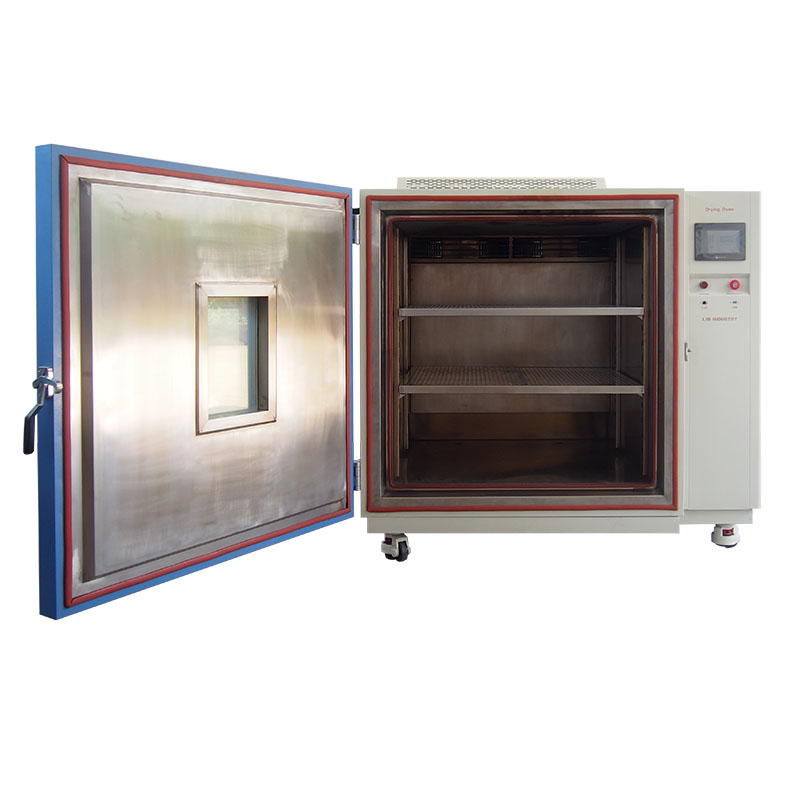
Labs run on precision. Drying ovens sit quietly in the corner, but they pack a punch. These machines handle heat to pull water or solvents from samples. If you spend time in research or testing, you know how they fit in. This post digs into their uses. We’ll see how they make work easier and results sharper. Stick with it—you might spot ways to amp up your own setup.
Drying ovens create a warm, dry space. They use fans and heaters to circulate air. Temps climb steadily. No sudden spikes.
Electric coils heat the air. A fan pushes it around. Shelves hold your stuff. Set the timer, close the door. Moisture evaporates out through vents.
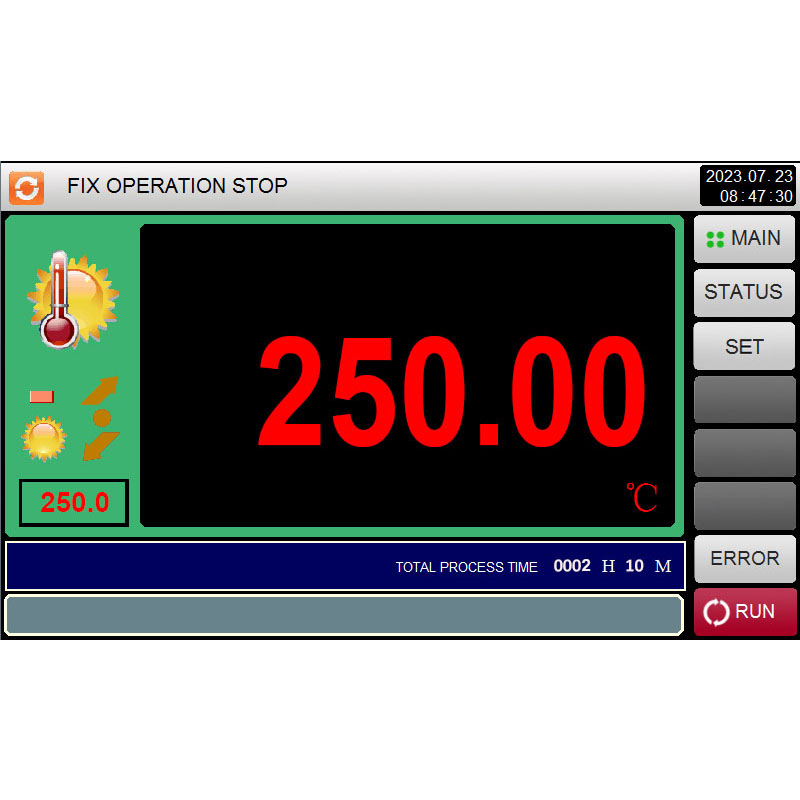
Simple controls let you pick exact heat. Some hit 250°C. Others push past 800°C. Labs pick based on needs.
Why bother? Air drying leaves spots or takes days. Ovens do it clean and quick.
Freeze dryers cost more. Vacuum systems are fussy. Ovens are straightforward. Plug in and go.
They fit tight spaces too. Benchtop sizes for small teams. Bigger ones for busy groups.
Your lab stays productive. Less waiting means more data. Builds a name for efficiency.
Chem work deals with liquids. Ovens help manage that.
Reagents get damp from air. That messes up reactions. Pop them in the oven. Heat drives off humidity.
Crystals form better. Powders stay loose. No clumps.
One run: A team dried salts overnight. Next day’s mix went smooth. No wasted batches.
Beakers, flasks— they need spotless. Rinse, then oven dry. Heat kills leftover germs.
No towel marks. Tools ready fast for the next test.
Labs avoid cross-mix. Results stay true. Your reports hold up under review.
Life sciences need clean, dry samples. Ovens deliver.
Fresh specimens spoil quick. Ovens dehydrate them gently. Water gone, structure intact.
Store for months. Pull out for slides or tests later.
Research doesn’t stall. You chase leads without rush.
Petri plates or loops carry bugs. High heat sterilizes without chemicals.
Safe for sensitive media. No residues.
Cultures grow pure. Data trustworthy. Funding likes that.
These steps keep experiments on point.
Testing stuff under heat reveals a lot.
Polymers soften or crack over time. Ovens speed that up. Run at high temps for days.
See changes early. Tweak formulas.
Materials last longer in real use. Products hit market strong.
Composites need cure time. Ovens control heat for even set.
Layers bond tight. No weak spots.
Innovators test new blends. Labs lead in tech advances.
A group baked carbon fibers. Found best temp for strength. Patent followed.
Even non-bio fields use them.
Circuits or sensors face hot spots. Ovens mimic that.
Watch for fails. Redesign quick.
Devices work in extreme spots—like space or engines.
New paints or films need dry. Ovens set them without bubbles.
Surfaces smooth. Tests accurate.
Engineers build better models. Projects move to production faster.
|
Field |
Task |
Payoff |
|
Chemistry |
Reagent dry |
Clean reactions |
|
Biology |
Sample preserve |
Long storage |
|
Materials |
Age test |
Durable goods |
|
Engineering |
Part stress |
Reliable designs |
See the pattern? Ovens touch every corner.
Beyond tasks, they improve the whole operation.
Wait for air dry? Hours lost. Oven cuts it to minutes.
More runs per shift. Team hits goals.
Less downtime. Morale up.
Overheat protection built in. No fires.
Vents pull fumes out. Air stays fresh.
Labs meet codes. Inspections pass easy.
Your place known for safety. Attracts top talent.
Story time: A university lab swapped old gear for new ovens. Accidents dropped. Papers published rose.
Not all ovens fit every lab.
Even temp across chamber. Easy readouts. Sturdy build.
Wheels for moving. Shelves that adjust.
Match to your volume. Small for quick tests. Large for batches.
Standard ones ship fast. Cover basics.
Custom? For odd sizes or extra heat.
Suppliers tweak to your specs. Worth it for special work.
When hunting for drying ovens, Xi’an LIB Environmental Simulation Industry stands out. Kicked off in 2009, they build test chambers with in-house design and make. Reach over 40 countries with local help spots. Offer standard and custom options, plus install and fix support. Big players trust them for solid gear.
Drying ovens tackle drying, sterilizing, and testing in labs. They cut time, boost accuracy, and keep things safe. Grab one that fits, and your work shines. Lab rep grows with reliable tools.
They remove moisture from tissues or chemicals. Keeps samples stable for tests.
Heat kills germs on tools like glassware. No need for harsh cleaners.
To age stuff fast under heat. Shows how they hold up long-term.
Yes. They handle extreme temps for stress tests on parts.




 EN
EN


