

Lead Provider of Environmental Test Chamber


 Posted on
18 09 2026


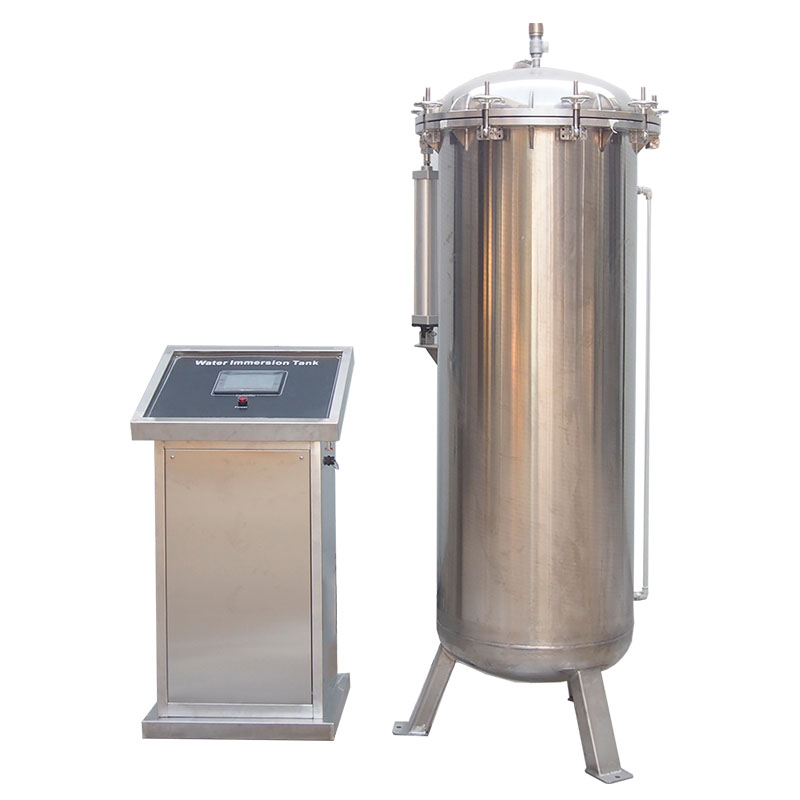
Smartphones face tough conditions every day. People take them outdoors, on trips, and into workplaces. Rain and accidental drops into water happen often. Because of this, waterproof ability has become a key part of product quality. A phone may look solid on the outside. Still, it needs careful checks to make sure water cannot reach the parts inside.
Waterproof tests help makers look at seals, materials, and overall strength before they start large-scale production. Among the many ways to check water protection, IPX7 and IPX8 immersion tests stand out. These tests show whether a device can stay safe after it goes underwater. An IPX7 IPX8 Water Immersion Equipment creates a steady lab setting. In this setting, makers can copy underwater conditions. They can measure how well the phone resists water and spot weak seals while the product is still in development.
Phones today must handle more than simple daily use. Outdoor sports, travel, and work sites all bring extra risks. Water can enter through small gaps if the design is not strong enough. When water gets inside, it can harm the battery, screen, or circuits. Fixing those problems later costs time and money. It also hurts the brand’s name.
By running IPX7 and IPX8 tests early, companies find weak spots before the phone reaches stores. This step cuts down on returns and repair claims. It also builds trust with buyers who want a phone that can survive rain or a quick dip. The tests follow clear rules, so results stay fair and repeatable. That reliability matters when many models need checking at the same time.
IPX7 and IPX8 come from the IEC 60529 rules. These rules explain how well a case keeps water out. For phone makers, the tests do more than just pass or fail a standard. They also guide better design choices. Stronger seals and smarter materials come from the data the tests provide. In the end, fewer phones fail in real life, and customers stay happier.
IPX7 checks if a product can handle a short time under water. The usual setup places the device about one meter deep for thirty minutes. The phone must keep its shape and keep water outside during that period. This level fits phones and other small gadgets that might fall into a sink or get caught in heavy rain. It gives a clear picture of short-term protection without needing extreme pressure.
IPX8 looks at longer or deeper time under water. The exact depth, pressure, and length change with the product’s goals. Makers set the numbers based on how the device will be used. Outdoor tools, smart watches, and special communication gear often need this stronger check. Because the rules can be adjusted, IPX8 offers a flexible way to match real-world demands.
Good waterproof checks need steady conditions and precise control. A water immersion test chamber lets engineers copy underwater settings again and again. The process usually follows three clear stages.
Engineers first look over the phone carefully. They note the outer seals, the joint between screen and body, the charge port cover, and the openings for the speaker and microphone. They also test basic functions so they have a baseline. Writing down the starting state makes it easy to spot any changes after the water test.
Next, the phone goes into the IPX7 IPX8 Water Immersion Equipment. The machine sets the water depth, the time under water, the pressure, and the way the sample sits. Because the machine controls every factor, the results stay consistent. Manual methods often vary from one test to the next, but the equipment removes that risk.
Once the immersion ends, the team checks for water inside and tests key features. They look at the touchscreen, the camera, the charging port, any signs of moisture, and basic electrical safety. Any problems that appear guide the next design updates. This feedback loop helps the final phone stay dry and reliable.
A solid water immersion test chamber must control conditions tightly and give the same results every time. The table below shows the main features and the help they bring.
| Feature | Benefit |
|---|---|
| Adjustable water depth control | Copies many different underwater settings |
| Pressure monitoring system | Keeps immersion pressure accurate |
| Programmable controller | Lets users set time and other conditions freely |
| Automatic water supply system | Speeds up the whole testing cycle |
| Safety locking structure | Makes high-pressure runs safer |
| Adjustable sample holder | Fits phones and other shapes of many sizes |
These features let labs and factories run the same waterproof checks on phones and other electronics without guesswork.
LIB IPX7 IPX8 Water Immersion Equipment is built to check how well electronic goods stand up to water under controlled immersion. It covers both IPX7 and IPX8 needs and suits labs, research sites, and production lines. The table that follows lists its main points.
| Item | Description |
|---|---|
| Testing Application | Smartphones, electronic parts, outdoor gear, communication devices |
| Test Standard | IEC 60529 IPX7 and IPX8 waterproof testing |
| Water Depth Simulation | Handles a range of immersion depths |
| Control System | Touch-screen program that is easy to use |
| Pressure Control | Copies underwater pressure with high accuracy |
| Sample Support | Adjustable holder for many sample sizes |
| Operation Method | Automatic water fill and steady test flow |
| Structure Material | Strong industrial build for long daily use |
The equipment also brings several clear gains. It copies underwater settings with high accuracy. Results stay steady and easy to repeat. Settings can change for different products. Lab work moves faster. Custom needs can be met without extra trouble. Phone makers use these strengths during design checks and quality control. They catch seal problems early and improve the final product.
Waterproof checks matter in any field where electronics must stay reliable. The same equipment serves several product groups.
Phone makers use the tests to confirm that seals keep water out during everyday life. The list of items that benefit includes smartphones, tablets, portable electronics, and communication devices. Each of these can face rain or accidental dips, so the data helps protect both the product and the brand.
Smart watches and similar wearables meet sweat, rain, and occasional water contact. IPX7 and IPX8 immersion tests show how well they hold up over time. Strong results give users confidence that the device will keep working after outdoor activity.
Gear used outside meets changing weather. Waterproof tests prove that sensors, lights, controllers, and monitoring tools can handle wet conditions. When these products pass, they last longer in the field and need fewer repairs.
Picking the right machine takes a few careful steps. First, make sure the unit follows IEC 60529 rules for both IPX7 and IPX8. Next, check that depth and pressure controls stay accurate. Even small drifts can change the outcome. Flexibility also matters because factories often test phones of different sizes. An adjustable chamber handles that range without extra fixtures. Finally, look at the supplier’s experience. A good partner offers technical help, custom options, setup guidance, and later service. These points together lead to equipment that fits daily lab needs.
Xi’an LIB Environmental Simulation Industry supplies test chambers for environmental and reliability work. The company serves electronics, auto parts, batteries, consumer goods, and industrial tools. Years of design work have taught the team how to build practical systems that match real test needs. Services cover custom builds, technical talks, install help, and after-sales support. The goal is simple: help labs and factories raise product strength and meet world standards. By mixing engineering skill with close attention to customer needs, Xi’an LIB Environmental Simulation Industry gives firms the tools they require for research, quality checks, and new product work.
A phone’s ability to resist water affects both its long-term strength and the buyer’s trust. IPX7 IPX8 Water Immersion Equipment gives makers a clear, controlled way to measure that ability. Accurate depth, pressure, and timing reveal weak spots early. Fixing those spots before launch leads to stronger products and fewer complaints. For any company that builds phones, wearables, or outdoor electronics, reliable waterproof test gear is a smart step toward durable goods that customers can count on.
IPX7 IPX8 Water Immersion Equipment tests how well electronic products keep water out. It copies underwater settings so makers can see if seals hold under set conditions.
IPX7 checks short immersion under fixed rules. IPX8 checks longer or deeper immersion, and the exact numbers follow the product’s planned use.
The tests confirm that seals work, cut water-related failures, and raise overall product strength before the phone goes on sale.
The equipment works for smartphones, wearables, communication devices, outdoor electronics, and any other item that needs water-resistance checks.
They should look at standard compliance, depth and pressure accuracy, size flexibility, and the supplier’s technical support.




 EN


