

Lead Provider of Environmental Test Chamber


 Posted on
05 06 2026
Posted on
05 06 2026


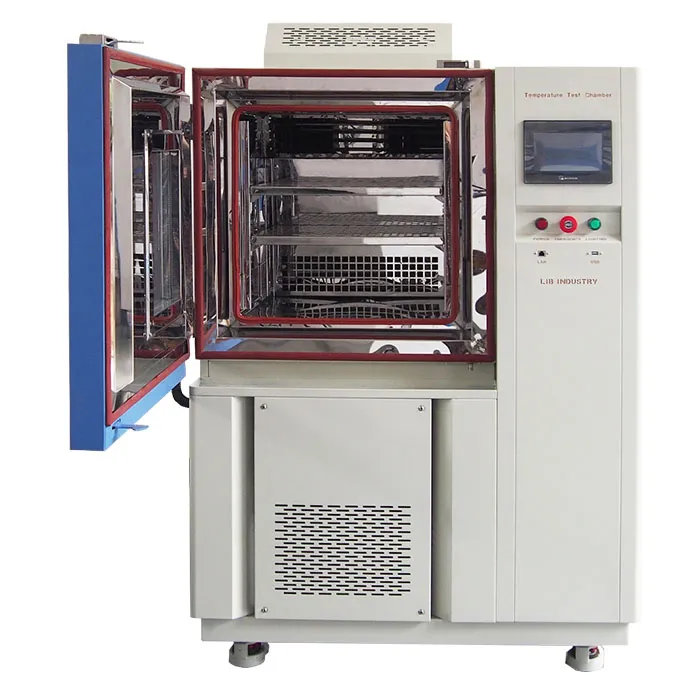
Finding a cryogenic chamber from China can seem like a risky balance. A single mistake might leave you with gear that shifts in heat levels. It could stop working at the most inconvenient moment. Or it might not pass checks. Buyers and testers who handle airplane pieces, power cells, health tools, or high-tech stuff understand this trouble all too well. A unit that fails to stay firm at -80°C or below does more than lose hours. It can end a whole approval effort.
The field of cryogenic gear is expanding quickly. More firms are testing parts in very cold conditions to check dependability. Choosing the correct provider changes everything. It separates easy approval tests from costly issues.
Cryogenic testing demands precision. Small temperature swings or poor uniformity ruin test data. When chambers fail early, labs face downtime, retesting costs, and frustrated stakeholders. Many buyers learn the hard way after importing a unit that looked decent in photos but couldn’t deliver in real use.
Smart due diligence turns that risk into an advantage. Focus on concrete proof points instead of slick sales talk.
1. No Solid Documentation or Test Records Legitimate suppliers readily share factory test logs, calibration certificates traceable to ISO/IEC 17025 standards, and third-party validation reports. If a supplier hesitates, dodges, or offers only basic spec sheets, that’s a major warning. Real performance data from actual runs on similar models should be available.
2. Mystery Refrigeration Components Watch out for chambers using unbranded or uncertified compressors and parts. Quality builders use traceable, reputable components — often including compressors with proven track records in low-temperature applications. Vague answers about the refrigeration system usually mean corners were cut on durability.
3. Weak Airflow and Uniformity Design Ask detailed questions about wind tunnel design, air outlet geometry, and forced-air circulation. Good cryogenic chambers maintain tight temperature consistency even when fully loaded. Suppliers who can’t explain or demonstrate their airflow system often deliver hot spots or cold zones that wreck test repeatability.
4. Missing Certifications and Traceability Look for clear CE, RoHS, and other relevant export compliance documents. Batch traceability for materials and manufacturing should exist. Suppliers who brush this off create compliance headaches later, especially for regulated industries like automotive or aerospace.
5. No Real Post-Sale Support Infrastructure Does the supplier have English-speaking technical staff available for support? What about spare parts availability and response times? A cryogenic chamber is a long-term investment. If support feels thin during the sales process, it usually gets worse after delivery.
Reliable manufacturers invest in their own R&D for cascade refrigeration systems that reach and hold ultra-low temperatures reliably. They use heavy-gauge SUS304 stainless steel interiors that stand up to repeated thermal stress and corrosion testing. Their quality systems align with GB, GJB, IEC, and MIL standards. These details show up in consistent performance and fewer service calls.
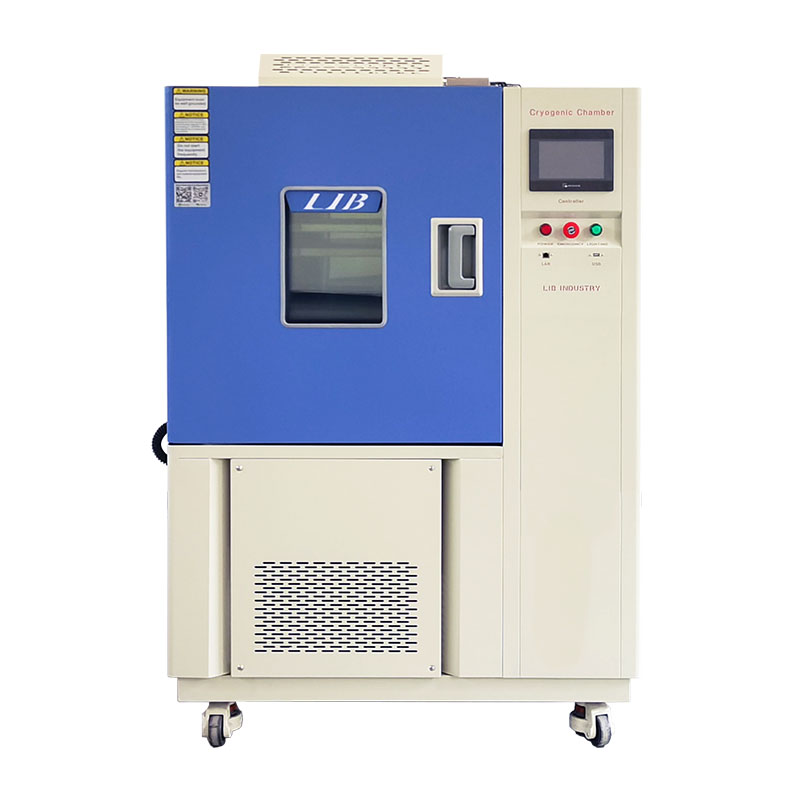
LIB has engineered its cryogenic chamber line to address the exact pain points buyers face with lower-cost options. The CF series uses a mechanical compressor refrigeration system with cascade design and multiple refrigerants. This setup reaches extreme lows without relying on expendable liquid nitrogen in many cases.
Key Advantages
Robust cascade refrigeration for stable ultra-low temperature performance
Strong structural design to handle thermal contraction stresses
Excellent temperature uniformity through optimized airflow
Durable construction with quality materials suited for daily lab use
Custom options to match specific test protocols
These chambers support everything from material science research to product qualification in harsh environments.
Here’s a look at typical parameters for LIB’s cryogenic offerings:
| Parameter | Typical Specification | Benefit for Your Testing |
|---|---|---|
| Temperature Range | Down to -120°C (model dependent) | Covers extreme cold requirements for aerospace, electronics, and materials |
| Temperature Deviation | ±2.0°C | Tight control for repeatable results |
| Cooling Rate | 1°C/min or better | Efficient pull-down times |
| Heating Rate | Up to 3°C/min | Faster cycling between tests |
| Interior Material | SUS304 stainless steel | Corrosion resistance and easy maintenance |
| Cooling System | Mechanical cascade compression | Reliable long-term operation without LN2 dependency in standard use |
| Controller | Programmable with data logging | Easy profile setup and audit trails |
| Safety Features | Multiple protections (over-temp, etc.) | Peace of mind during unattended runs |
Models like the CF-100 and CF-225 offer different capacities while keeping the same focus on precision and durability.
Start with a detailed questionnaire covering the five red flags above. Request a factory visit or virtual tour if possible. Ask for references from similar overseas customers. Test data from an actual run on a comparable load should be part of the package.
Pay attention to how quickly and completely the supplier responds. Good partners want to prove their quality upfront.
The broader cryogenic sector continues expanding as industries demand more extreme testing. Companies that source reliable equipment avoid the costly cycle of replacing failed units and rebuilding trust with internal teams. A solid cryogenic chamber becomes an asset instead of a headache.
Xi’an LIB Environmental Simulation Industry serves as a dedicated environmental test chambers supplier. Since 2009, the company has focused on designing, manufacturing, and supporting a wide range of simulation equipment. With products exported to dozens of countries and a growing network of international partners, LIB combines practical engineering with strong quality controls and customer support. Their chambers meet demanding international standards while delivering real-world reliability for labs and manufacturers.
Checking a cryogenic chamber provider in China need not be random. Spot the five usual alerts. Then, zero in on tested building and aid. This guards your work and funds. Providers that give open papers, good parts, sound plans, right papers, and quick help shine for real causes. Spending effort at the start brings long years of steady work in the room.
Most factory uses call for steady work down to -80°C or below. Better units hit -120°C with solid hold. This fits most airplane, power, and stuff test wants.
Pose questions on the compressor make, layered setup plan, and coolant kinds. Providers with tested parts often share this info. They also give backing test notes.
Bad flow makes heat differences in the unit. That brings uneven outcomes over your samples. Strong plans use tuned air routes to keep level settings.
Seek CE, RoHS, and links to world rules. ISO17025 adjustment skill and fit with IEC or MIL-tied ways add more trust for controlled fields.
Yes. These setups work for years. Fast reach to tech aid, parts, and know-how stops minor problems from turning into big stop times in your room.




 EN
EN


