

Lead Provider of Environmental Test Chamber


 Posted on
29 04 2026
Posted on
29 04 2026


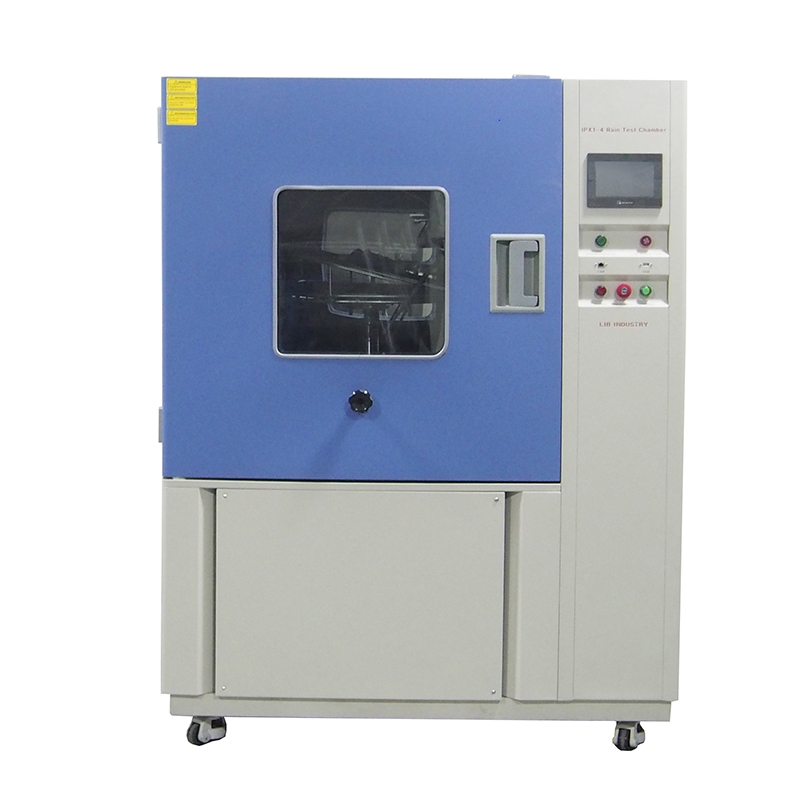 IEC 60529 is the international standard that defines Ingress Protection (IP) ratings for electrical enclosures against dust and water ingress. It provides a widely adopted framework used across industries including automotive, electronics, and industrial equipment.
For road vehicles, ISO 20653 builds upon IEC 60529 with stricter requirements tailored to automotive environments, introducing enhanced “K” ratings such as IP6K9K to withstand high-pressure hot water jets, vibration, and temperature extremes.
This article explains the scope of both standards, their key differences, andhow dust & rain test chambers can help manufacturers achieve reliable compliance.
Ingress Protection (IP) testing holds a key role in making sure that automotive parts can handle contact with outside factors like dust, water, and dirt. Vehicles now include many more electronic parts, such as sensors and control units. So, keeping these parts safe in tough settings is very important for safety and how well the vehicle works.
IP testing checks that boxes around parts block solid bits and liquids from getting in. Strong IP ratings matter a lot for electronic control units, light systems, and sensor parts that work in open areas. When parts meet world IP rules, they show they can handle dust storms, rain, and spray from the road. This helps make vehicles last longer. It also makes sure they follow safety rules set by markets around the world.
Dust & rain test chambers copy real-life weather in a lab that is under control. These chambers act out events like dust from deserts or strong rain to check how well parts seal. Engineers control things like air speed, water force, and heat levels. As a result, they can check IP levels with care. The data from these tests helps improve designs. It also gives records that can be followed for getting official approval.
IEC 60529 is the basic world rule that sets levels of safety for electrical boxes against dust and water getting in.
This rule sets safety levels with an “IP” code plus two numbers. One number shows safety from solids (0–6). The other shows safety from liquids (0–9). It works for many fields, like automotive, electronics, phone systems, and making factory tools. The setup explains test ways for dust getting in (IP5X and IP6X). It also covers water contact (IPX1 through IPX9).
The tests in this rule focus on main steps for checking protection.
Dust tests use talcum powder with set pressure to see how well a box stops tiny bits from entering. For IP6X, the test proves full safety from dust, even in a vacuum.
Water tests look at different cases, from drops falling straight down (IPX1) to strong jets (IPX9). Better ratings copy hard situations like jets of water under pressure or short dips in water at set depths. These checks make sure seals keep working during long contact with wet or during cleaning.
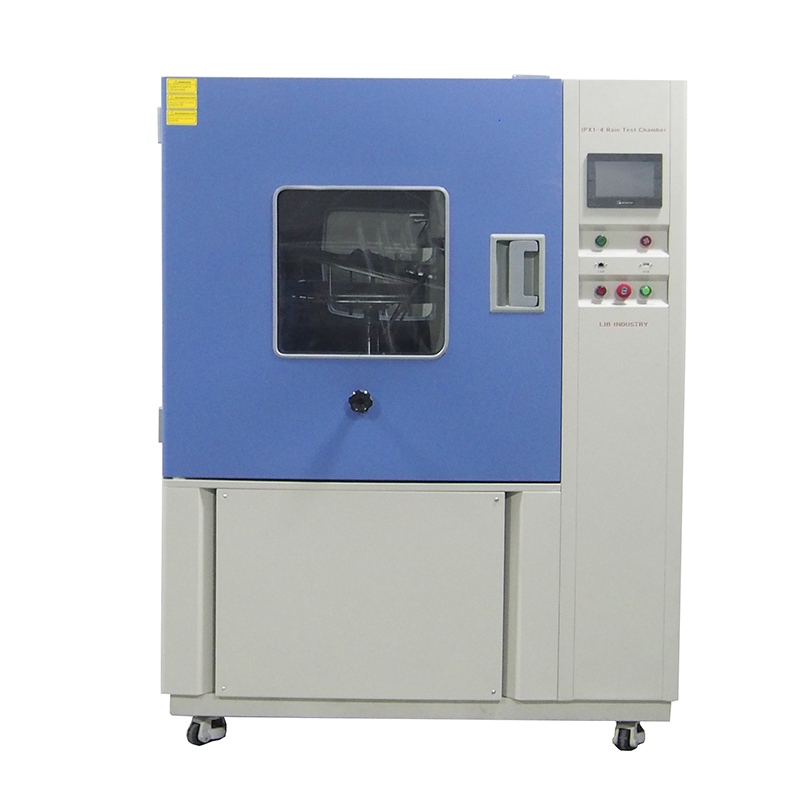 IEC 60529 helps general fields, but ISO 20653 takes those ideas and fits them for car electrical parts.
ISO 20653 deals with weather problems only for road cars, like shaking, heat changes, mud hits, and salt water spray. It makes sure electrical parts keep working even with these moving pressures. This is very useful for setups in engine areas or outside body spots that face regular washing or weather wear.
ISO 20653 adds new rules to make tests tougher for cars.
ISO 20653 brings in “K” ratings, like IP6K9K. These show better defense against strong, hot water jets. The tests match real car washes or cleaning under the vehicle. There, big force hits the seals that protect.
ISO 20653 requires prep steps before IP tests, unlike IEC 60529. Parts might go through heat shock loops or wet air to copy how age affects seals over years.
Both rules set IP, but they vary a lot in range and strength for car parts.
IEC 60529 gives broad rules for many areas. ISO 20653 adds on to that base with harder rules made for cars. It includes extra force from shaking or heat shifts that happen when vehicles run.
The difference between IPX9 and IP9K is in how tough the test is. IP9K has stronger water force (up to 100 bar), higher heat (about 80°C), and nozzles closer than in IPX9. This copies real effects from car washes on open parts like lights or sensors by the wheels.
Designers need to know that meeting IEC 60529 does not always meet ISO 20653. For example, a box at IP67 in IEC might not pass car shake or heat tests in ISO. So, makers should match their check plans to what car makers want early on in making products.

Today’s chambers for weather tests are built to do both IEC and ISO checks well in one setup.
Setting up these chambers lets them handle tests for both rules at once.
Sensors built in keep track of heat, wet levels, air pressure gaps, bit amounts, and flow speed in every step. Good record keeping gives full paths needed for approval checks or buyer reviews.
Controllers that program handle step-by-step runs of many test types on their own. This cuts mistakes by people and makes results the same in long check plans. Auto fix steps also make sure steady work between repeats for new products.
Xi’an LIB Environmental Simulation Industry Co., Ltd offers well-made dust & rain test chambers for IEC 60529 and ISO 20653 checks in the car field.
|
Feature |
Description |
|
Dual-standard compatibility |
Supports full range from IP1X–IP6X (dust) or IPX1–IP9K (water) |
|
Control precision |
Digital PLC system maintains stable airflow velocity ±2% accuracy |
|
Spray configuration |
Interchangeable nozzles adjustable between low-pressure drip simulation to high-pressure jet streams |
|
Chamber volume options |
Available from 500 L to 8000 L for component or subsystem testing |
|
Data acquisition |
Real-time monitoring with USB/Ethernet export functions |
|
Safety design |
Automatic shutoff on overpressure or overheating conditions |
These parts let engineers do full checks on getting in things with good speed. They also make sure results can be repeated in world approval plans.
Xi’an LIB Environmental Simulation Industry has become a trusted seller of gear for weather tests in car check labs around the world. The company has skill from more than ten years in making custom fixes that fit hard rules from car makers for lasting tests. With strong help after sales and training on tech, LIB helps buyers get steady results that match both IEC and ISO rules.
Adding car IP tests early in making products helps spot weak spots in seals before big spending on making many. Teams of design workers, material experts, and check groups work together. This leads to quicker changes for designs that meet rules. Also, matching inside steps with world rules makes entering markets easier. It cuts extra test costs in seller groups and sets the same quality checks everywhere.
To bridge the gap between choosing suppliers and planning strategies, automotive firms often review how equipment like test chambers fits into their overall goals for reliability.
Car makers deal with growing needs for trust as they add tricky electronics to vehicles that run in many weather types. Matching designs to IEC 60529 and ISO 20653 gives strong safety from dust and wet getting in. It also meets local approval needs. Using good dust & rain test chambers, like those from Xi’an LIB Environmental Simulation Industry, helps car companies make approval steps smoother. They do this without losing care or steady results in world plans.
IEC 60529 sets general levels for protection from things getting in for factories; ISO 20653 takes those and adds them for electrical gear in road cars with extra thoughts on force like shaking or heat changes.
“K” ratings from ISO 20653 show better hold against strong/hot water jets common in car washes. They are key for parts on the outside, like cameras or sensors.
They control things like air speed, wet, heat, bit levels, and jet force with care using auto PLC setups. At the same time, they keep ongoing records that can be traced for approval checks.




 EN
EN


