

Lead Provider of Environmental Test Chamber


 Posted on
16 04 2026
Posted on
16 04 2026


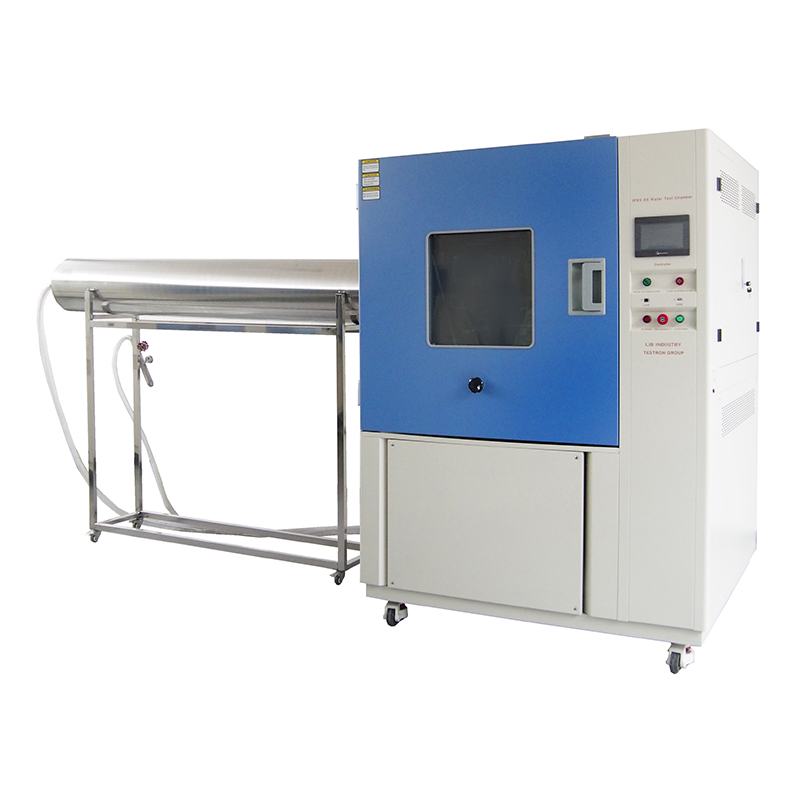 When you need to make sure electronic devices, automotive parts, and outdoor equipment reach the needed waterproof levels, a dependable testing solution matters a lot. The IPX5 and IPX6 water jetting test chambers copy the real conditions these products face every day. Knowing how to pick the right test chamber for your situation can stop you from making expensive errors. It also helps your products follow the rules of the industry.
In this guide, we explain the main things to look at when you select an IPX5 or IPX6 water jetting test chamber. We give a full picture of what LIB offers. We also talk about the ways these chambers can improve your testing steps.
An IPX5 IPX6 Water Jetting Test Chamber is special equipment. It checks the waterproof ability or ingress protection of items. This way you know they can handle water in certain conditions. These chambers copy real life cases where products might get hit by water jets or sprays. They test how well the products resist water getting inside.
The IP rating system is common. It helps sort and compare the levels of protection that electric boxes give against water, dust, and other things. The system uses two numbers. The first number shows protection from solid things. The second number shows protection from liquids. For IPX5 and IPX6, the “X” means no special guard against solid bits like dust. The main focus stays on waterproofing.
IPX5 tests how well a product fights water sprayed from a nozzle. The water goes through a 6.3 mm nozzle. The flow rate stays at 12.5 L/min. The water pressure is 30 kPa. The spray lasts at least 3 minutes. The nozzle stays 3 meters away from the product.
The IPX5 test copies normal rain. It makes sure a product can handle water from jets with normal pressure. No water should go into the inside parts.
IPX6 tests a stronger level of water resistance. It copies tougher water situations. The water goes through a 12.5 mm nozzle. The flow rate goes up to 100 L/min. This is much more than in the IPX5 test. The water pressure reaches 100 kPa. The spray usually lasts 3 minutes. The nozzle is still 3 meters away.
The IPX6 test copies high pressure water jets. These might happen in factories or for items made for bad weather. Think of outdoor lights, car parts, or outdoor tools.
Both IPX5 and IPX6 check resistance to water jets. But they differ in pressure, flow rate, and nozzle size. These differences help you see which test fits your product better. Here is a quick look at them.
| Feature | IPX5 | IPX6 |
|---|---|---|
| Nozzle Size | 6.3 mm | 12.5 mm |
| Flow Rate | 12.5 L/min | 100 L/min |
| Water Pressure | 30 kPa | 100 kPa |
| Test Duration | 3 minutes | 3 minutes |
| Test Coverage | Water sprayed from all directions | Water sprayed from all directions |
| Typical Use Case | Moderate water exposure (e.g., rain) | Heavy water exposure (e.g., storms) |
In an IPX5 IPX6 Water Jetting Test Chamber, the water jet points at the product. The product can stay still or sit on a turning table. It depends on the chamber design. The nozzle sends a steady stream of water. The chamber makes sure the pressure, flow rate, and cover stay the same all through the test.
The chamber often has these parts. It has a strong pump for steady water flow. It has a turntable or movable holder for the item. It has water filters to keep the water clean. This stops bits that could mess up the test. It has exact controls to change the pressure and flow as the standards say. It has windows to watch and sensors to check water flow, pressure, and time.
These things make the test feel like real water contact. Manufacturers get useful info on how strong their product is in tough spots. You can trust the results for your own work.

Picking the best water jetting test chamber can feel hard at first. There are many specs and needs to think about. The main things below will help you decide.
One main feature to check in a test chamber is the nozzle size and flow rate. These decide if the test is right and dependable.
| Test Type | Nozzle Size | Flow Rate | Pressure | Distance |
|---|---|---|---|---|
| IPX5 | 6.3 mm | 12.5 L/min | 30 kPa | 3 meters |
| IPX6 | 12.5 mm | 100 L/min | 100 kPa | 3 meters |
Selecting a chamber with the right nozzle and flow is key. It must match the test needs for your product. For example, if you test outdoor lighting or automotive parts, you need one that handles the strong water of IPX6. This keeps everything accurate.
The size of the test chamber is also important. Make sure it is big enough for your samples. They should fit well.
The workroom size should allow big products like car parts and electronics. The turntable diameter needs to fit if you use rotation. The sample load capacity must handle the weight and size. This keeps the test accurate every time.
Automation in a test chamber can make testing much better. Look for these things.
Programmable test cycles let you run many tests by machine. This saves time and makes it better. Automatic water supply keeps flow and pressure steady. It cuts down on mistakes by people. Data logging records info as it happens. You can study it to decide better.
These systems help testing go faster. This is good for big production or many different products that need tests often.
The materials in the chamber matter for how long it lasts and how well it works. Good materials like 304 stainless steel are best. They fight rust and last long. This way your chamber handles tough test areas without problems.
304 stainless steel is strong and does not get rust easy. It fits places with lots of water. Waterproof seals keep everything tight. No leaks happen during tests. You can use the chamber for years.
If your products need power during tests, check for waterproof power plugs. The chamber should match the electric needs of your samples. Look for ways to put electric parts in safely during the test. This keeps everything safe and easy.
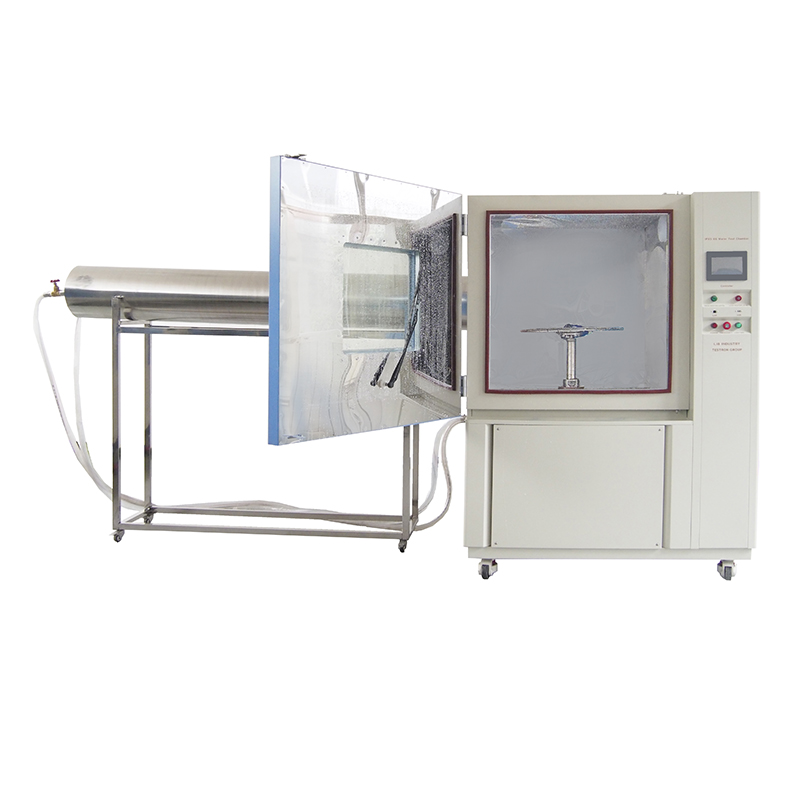 LIB has many good IPX5 and IPX6 water jetting test chambers. They fit the needs of industries that want strict waterproof tests. Here are some good points and features from LIB’s chambers.
They have dual testing. You can do both IPX5 and IPX6 in one chamber. This gives you more choices. High flow rates go up to 100 L/min. This covers hard tests. Customizable options mean LIB can change sizes and extra features for you. Reliable automation has full program cycles and auto water supply. This makes tests fast and right. Durable construction uses 304 stainless steel. It stands up to tough areas for many years. Safety features have many guards like overcurrent and leak protection. This keeps the machine and people safe.
| Parameter | Value |
|---|---|
| Model | R56-800C |
| Workroom dimension (mm) | 800*800*800 |
| External dimension (mm) | 950*3150*1800 |
| Diameter of turntable (mm) | 600 |
| Water flow rate | IPX5: 12.5L/min ±5% ; IPX6: 100L/min ±5% |
| Water tank size | 450*250*450 D*W*H |
| Nozzle Internal Diameter | IPX5 nozzle Dia. 6.3mm, IPX6 nozzle Dia. 12.5mm |
| Water pressure control | Flow meter |
| Water supply system | Storage water tank, Booster pump, Automatic water supply, Water purification system |
| Exterior material | Steel Plate with protective coating |
| Interior material | SUS304 stainless steel |
| Power supply | 380V 50HZ |
Xi’an LIB Environmental Simulation Industry is a top seller of environmental test chambers. They give dependable answers for industries that need exact and strong test tools. With many years of work, LIB works hard to give items that follow world rules and go beyond what customers want.
LIB’s chambers are used a lot in the automotive, electronics, outdoor lighting, and consumer goods industries. As a new maker, LIB keeps putting money into research and new ideas. They give customers the latest test answers. Their promise to quality, dependability, and customer help makes them a good partner for companies that look for environmental testing answers.
Picking the right IPX5 IPX6 water jetting test chamber is very important. It makes sure your products reach the waterproof rules. By thinking about things like nozzle size, flow rate, chamber size, and automation, you can find the best answer for your test needs. LIB has many good and changeable chambers. They give right and fast tests for industries all over the world. This helps you do your work better and with more confidence.
The main difference is in the nozzle size, flow rate, and pressure. IPX5 uses a 6.3 mm nozzle and a flow rate of 12.5 L/min. IPX6 uses a bigger 12.5 mm nozzle with a flow rate of 100 L/min. This copies stronger water contact.
Yes. Many new water jetting test chambers can do both IPX5 and IPX6 tests. This gives more choices and saves money for makers.
Automated test chambers give steady water flow. They have program cycles and data records. This helps make testing faster, more right, and the same every time.
When you pick a test chamber, think about your sample size, the needed flow rate, nozzle size, and how much automation you want for your tests.
IPX5 IPX6 test chambers are common in industries like automotive, electronics, and outdoor lighting. Here, products need checks for how well they last against water exposure.




 EN
EN


