

Lead Provider of Environmental Test Chamber


 Posted on
05 03 2026
Posted on
05 03 2026


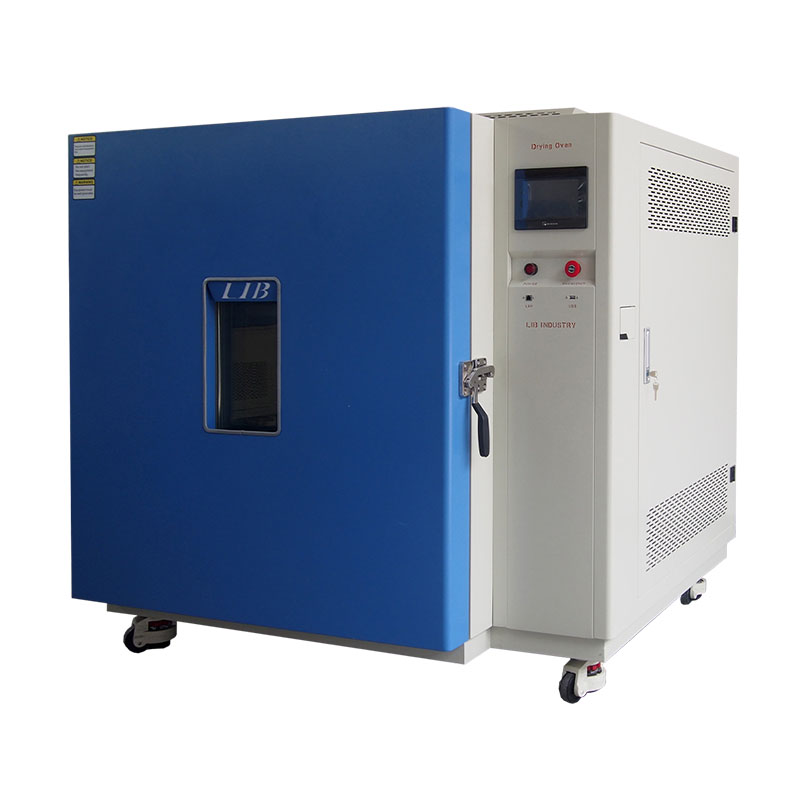
Industrial work needs drying ovens for many tasks. These include taking out water, setting materials, drying colors and layers, or heating parts. Ovens come in different shapes and sizes. So, think about main points that fit your own needs. If you want to buy an industrial drying oven for cars, planes, gadgets, or making things, knowing the key choices will help you pick good gear.
In this guide, we look at big factors to think about when buying a drying oven. We focus on heat levels, how well it controls heat, air movement setup, and power kind. These ideas, along with knowing your own use, will aid in a smart buy choice.
Industrial drying ovens do many jobs in different fields. They remove water in wood work. Or they set colors in car making. These ovens are key tools in steps that need steady heat and drying. They are built to give a space that speeds up drying. They also spread heat evenly. Without a good oven, makers can face uneven results. Production might slow down. Or product grade could drop.
The first big factor in picking a right drying oven is the heat range. Being able to hit and keep certain heats is key. Different stuff needs different drying heats. Industrial drying ovens have many heat limits. They go from low settings around 50°C to high ones up to 1200°C. It depends on the job.
Here are some key questions to ask:
What is the needed top heat for your job?
Do you need exact, steady heat during the oven’s run?
For example, stuff used in planes or cars might need a hot oven that can handle up to +500°C or more. But gadget parts might only need an oven for 100°C. So, make sure the heat range fits your needs. This is vital for good work and safety.
Another big part is how well it controls heat. Industrial ovens have different control setups to keep exact heat. Ovens with good accuracy and firm heat control are needed for jobs where product sameness matters. Better setups with exact number controls and check loops can make sure your items are always done right.
Airflow setup plays a big role in how well drying ovens work. How hot air spreads inside the oven decides if items dry evenly. If airflow is weak or not even, this can cause uneven results. Some parts might dry too much. Others stay wet.
Here are some questions to guide you:
Is even airflow spread important for your job?
Does the stuff being dried need certain air flow ways? For example, like moving air or forced wind.
Different airflow setups, such as side or up-down air move, are made to give even drying. Forced convection ovens use fans to move hot air fast. This gives quicker and more even drying. On the other hand, natural convection uses normal flow of hot air. It is less power-saving but might work for small jobs.
Power use is another main point. With power costs going up, picking an oven with the best power source is key to cut long-term run costs. Industrial drying ovens can use different power sources, such as:
Electric ovens: These are common and can fit places where gas or other fuels don’t work. But they might cost more to run.
Gas ovens: Ones with natural gas or propane are often more power-saving, mainly for big units. Gas heats faster than electric.
Hybrid ovens: These mix electric and gas heat parts. They give choices based on the job’s needs.
Each power source has good and bad sides. Gas ovens usually heat quicker and cost less to run for big work. Electric ovens are easier to set up and keep in small spots. But they might lead to higher power bills. Hybrid systems are great for places that want choices.
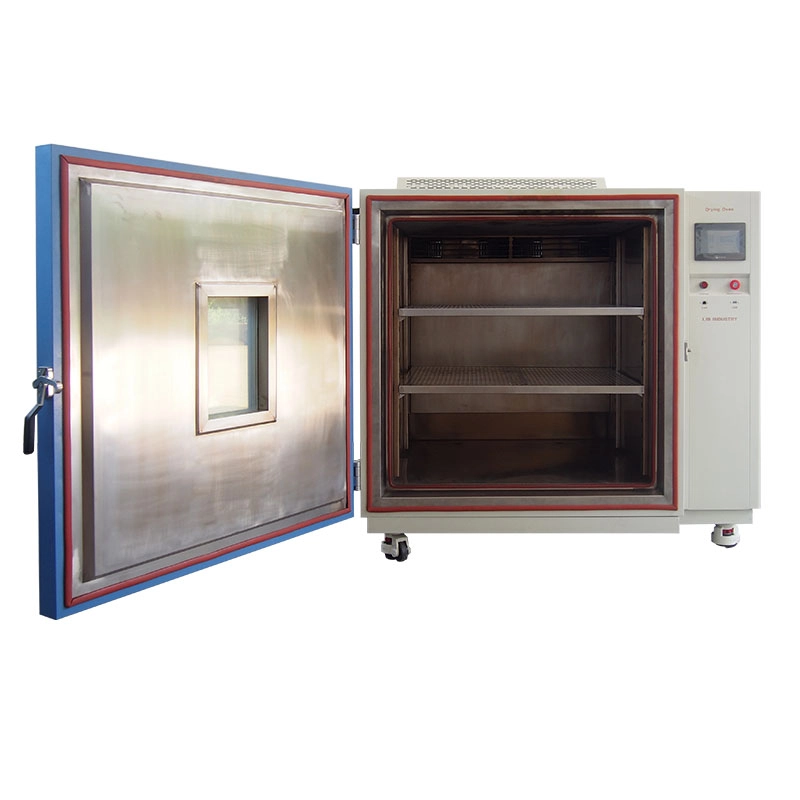
The oven’s size is key to how it handles different loads. Industrial drying ovens come in many sizes. Picking the right one depends on your space limits and the size of items being worked on. Also, think about how much the oven can take at once. Make sure it meets your output needs.
For bigger work, made-to-order ovens might be needed to fit exact needs. These ovens give custom fixes for fields that need special drying for big or odd-shaped items. For smaller making, normal ovens with set loads will do.
Different fields need different thoughts on handling stuff. For example, car and plane fields often need ovens that can set colors and layers at high heats. But drug or food fields might need ovens for gentle drying, like taking water from soft parts.
Knowing the exact job and stuff type will guide your choice on:
Oven kind, like batch or ongoing ovens.
Heat and wet control needs.
Stuff fit, like anti-rust coats for gadgets or drug uses.
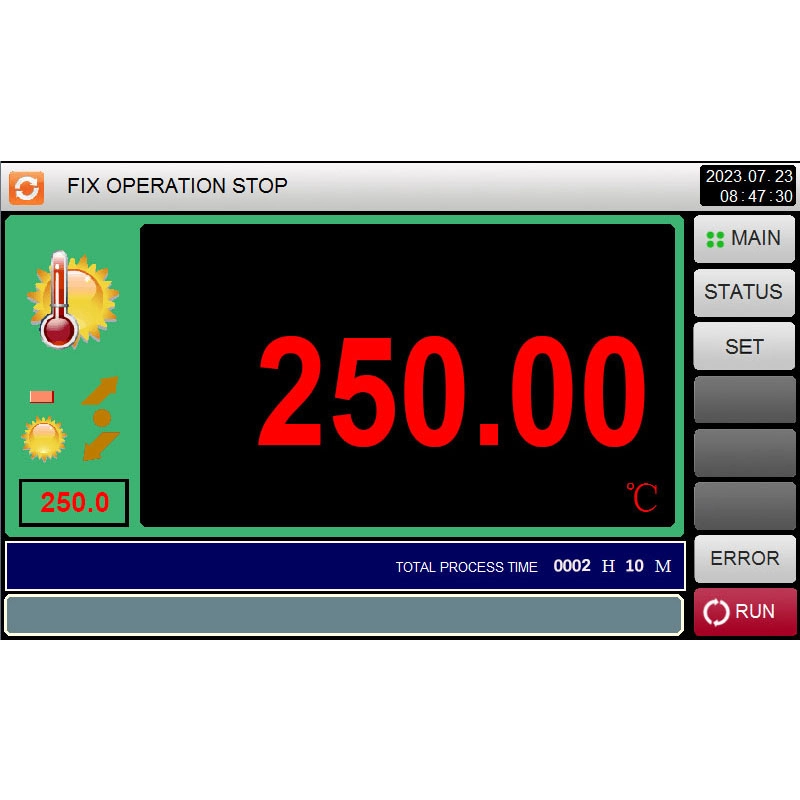
In today’s making world, auto work is getting more important. Auto drying ovens let exact control over drying with little human help. These ovens often have things like auto time cycles, changeable heat settings, and far watch. This boosts sameness, good work, and cuts human mistakes.
Xi’an LIB Environmental Simulation Industry has a long history for giving top-grade test rooms and drying ovens. With many changeable choices, LIB gives trusty drying ovens that fit fields like planes, cars, gadgets, and drugs. If you want a small, exact drying oven or a big one for industry use, LIB’s skill promises great work and good savings.
When picking an industrial drying oven, check your work needs with care. Heat range, control exactness, airflow setup, and power kind are all key factors. Picking the right drying oven not only boosts making good but also makes sure product grade and sameness. As a buyer in industry, think about long-term power use and run costs too.
The best heat range depends on the stuff being dried. For most jobs, drying ovens go from 50°C to 500°C. Some special fields may need ovens up to 1200°C.
Airflow setup makes sure hot air moves evenly around the item. Good airflow stops uneven drying. It boosts total good work, mainly in big runs.
Electric ovens fit small work. Gas ovens are more power-saving for bigger ones. Hybrid ovens give choices based on power supply and cost thoughts.
Yes, many makers offer made-to-order drying ovens. They meet exact needs of your making line, mainly for big or odd-shaped items.
Auto drying ovens cut human mistakes. They keep exact control over drying. This saves time and boosts making good.




 EN
EN


