

Lead Provider of Environmental Test Chamber


 Posted on
12 02 2026
Posted on
12 02 2026


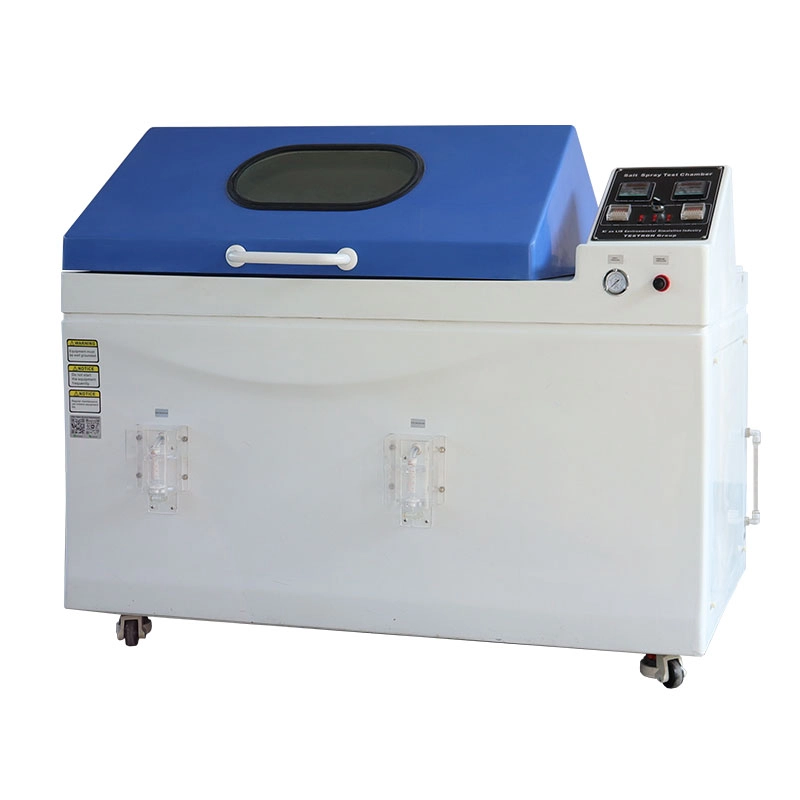
Salt spray corrosion testing plays a key role in checking how tough and rust-proof materials are in tough weather. People use it a lot in fields like cars, planes, and gadgets to make sure items last long and stay good when they face outside stuff, mainly salty air.
This piece will look at the main kinds of salt spray tests, like NSS (Neutral Salt Spray), CASS (Copper-Accelerated Acetic Acid Salt Spray), and the ISO 9227 standard. We will compare them by how they work, what settings they use, and where they fit best. Plus, we will talk about tools like the LIB Salt Spray Test Chamber in these checks. We will also cover the good points of each way to test.
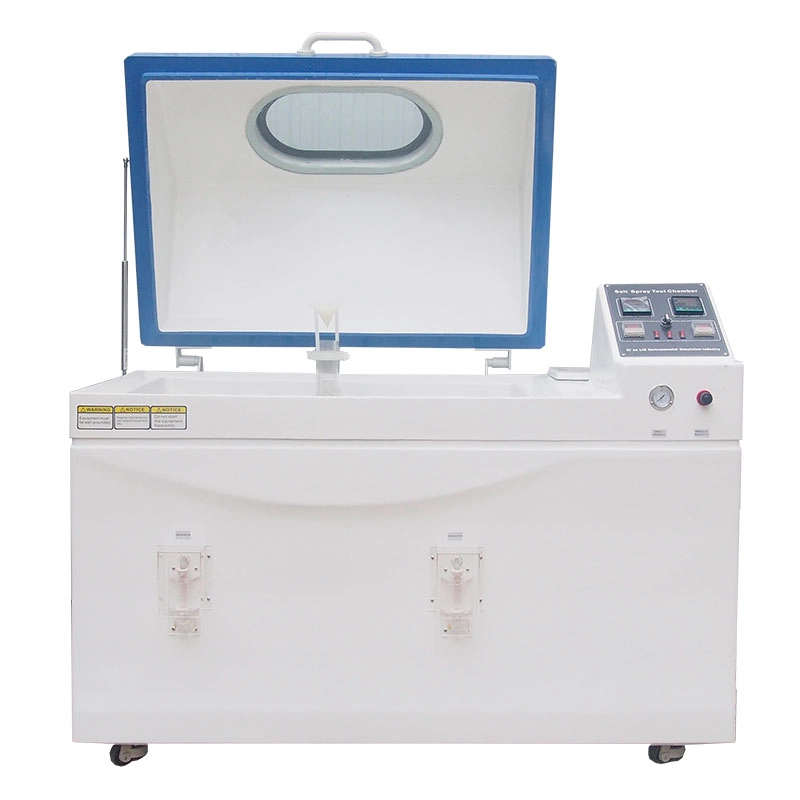
A salt spray test chamber is a setup that controls the space to copy the harmful effects of salty water and air on stuff. The main goal is to speed up normal rusting. This lets us see how things hold up in a quick time.
In a usual salt spray test, you put a sample inside the chamber. There, a salty mix gets turned into mist and sprayed on the item’s top. The chamber keeps steady heat and wetness levels. It acts like real spots with salt in the air that cause rust.
There are a few rules that guide salt spray testing. Each one fits different uses and setups. Let’s check out the three most common ones: NSS, CASS, and ISO 9227.
The Neutral Salt Spray (NSS) test follows ASTM B117. It is the one folks use the most. In this way, a mix with 5% sodium chloride (NaCl) turns into fog in the chamber. The pH stays at 6.5–7.2. That is why we call it “neutral.” The chamber holds a steady temperature, often around 35°C (95°F). The key aim is to test how well covers like paint, galvanization, and anodized layers fight rust.
People use the NSS test a lot in areas where the big worry is stuff facing normal salty water. This includes car parts and building items.
CASS testing is tougher than the NSS test. It aims to copy really bad conditions, including dirty air from factories like sulfur dioxide. In this test, the salt spray chamber uses a sharper mix. It usually has sodium chloride (NaCl), acetic acid, and copper chloride (CuCl2). The pH sits around 3.0–3.2.
CASS works well for checking covers and stuff meant for spots with more dirt in the air, like shores and factory zones. There, sulfur bits can make rust happen faster. Folks often use it for items in sea areas, especially car and plane parts.
ISO 9227 is the world rule that gives tips for salt spray testing. This rule does not stick to just one kind of salt spray. Instead, it sets the whole way to test, the tools, and the settings. Under this rule, you can do many types of tests, including NSS and CASS. It has clear tips on heat, wetness, and what goes in the mix.
Many fields around the world follow the ISO 9227 standard for salt spray testing. It makes sure the outcomes stay the same and trustworthy. Its main goal is to see how stuff acts with salt spray. This helps guess how they will rust over time.

The LIB Salt Spray Test Chamber has new traits for doing both NSS and CASS tests. It gives a managed space to copy true rust settings well. It meets world rules like ASTM, ISO, IEC, and others. This ensures solid outcomes for many uses.
Multiple Testing Capabilities: LIB chambers handle both NSS and CASS testing. This gives options for various check needs.
Accurate Control: The chambers give exact handling of heat, wetness, and salt mix strength. They keep things steady in each test.
Programmable Control: With auto settings, users can plan rounds for steady or off-and-on spraying. This copies different rust cases.
Large Testing Capacity: They come in many sizes. So, the LIB salt spray chamber can fit various sample sizes and amounts.
Compliance with International Standards: LIB chambers follow ASTM B117, ISO 9227, and other key rules. They give trustworthy and repeatable outcomes.
These traits make LIB Salt Spray Test Chambers great for many fields, like cars, gadgets, and covers. In these areas, fighting rust is vital.
LIB Environmental Simulation Industry leads in giving salt spray test chambers. They offer top tools that help firms hit field rules and keep item quality high. If you do normal rust checks or tests in hard settings, the LIB salt spray chamber gives steady work and exact outcomes.
Salt spray testing is a must for checking how well stuff and covers fight rust. It makes sure they last in bad spots. By knowing the gaps between rules like NSS, CASS, and ISO 9227, firms can pick the best check way for what they need.
NSS (Neutral Salt Spray) uses a neutral sodium chloride solution. It copies usual salty water spots. But CASS (Copper-Accelerated Acetic Acid Salt Spray) has a sharper mix. It is for tougher spots with factory dirt.
The time for a salt spray test changes. It depends on the stuff tested and the setups. It can go from a few hours to many weeks. The length often follows certain rules, like ASTM B117 or ISO 9227.
Salt spray testing matters a lot. It checks how well stuff and covers fight rust in salty or dirty air. It helps guess how they will do in true spots over time.
People use salt spray testing in many fields. This includes cars, planes, gadgets, building, and covers. It is key to make sure stuff in these areas stays strong and fights rust.
The LIB Salt Spray Test Chamber gives exact handling over check setups. This covers heat, wetness, and mix strength. It ensures outcomes that are spot-on and the same each time. This is key for hitting world rules and doing steady rust checks.




 EN
EN


