

Lead Provider of Environmental Test Chamber


 Posted on
29 01 2026
Posted on
29 01 2026


Accelerated aging tests play a big role in today’s materials work. Products often deal with lots of sunlight, heat, damp air, and bad weather outside. It is wrong and not practical to wait real years to see how they hold up. Instead, quick weathering tests—like UV weathering tests and xenon arc weathering tests—pack years of harm into just days or weeks in a lab. This way helps workers and scientists guess long-term outdoor results early on. It cuts down risk and speeds up getting to market.
This piece looks at how quick aging tests run. It shows the gap between UV and xenon arc weathering tests. Plus, it explains how these checks help makers and study groups learn about material strength. This is for things like outdoor plastics, coatings, and mixed materials.
Accelerated aging testing copies natural weathering things that materials face outside. These include ultraviolet (UV) radiation, sunlight, changes in heat, dampness, and wet conditions. It happens inside a special room. These rooms control light strength, heat, and wet levels well. They make the same conditions over and over that match tough outdoor harm. By squeezing years of real weathering into short test rounds, quality bosses and study teams can look at material choices. They check strength claims. And they stop problems in real use.
Natural weathering hits materials with many kinds of stress. UV radiation breaks down polymer chains through light. Visible light and infrared add to warming and heat stress. Moisture speeds up water-based harm. Without quick weathering tests, firms would put samples on outdoor stands for months or years. That is slow and changes with weather and place. Quick tests fix this with exact and steady ways.

Two usual quick weathering ways are UV weathering tests and xenon arc weathering tests. Both try to copy sunlight harm. But they work in different styles. And they fit different needs.
UV weathering tests use ultraviolet lamps. These are often fluorescent UV sources. They copy the bad effects of sun’s UV radiation. These tests focus mostly on the UV part of sunlight. They look at wavelengths that get through the air and start chemical changes in materials. UV harm leads to color loss, shine drop, hard surface, and breakdown of polymer setups.
In a UV test room, samples go through changing rounds of UV light and controlled wet or dew. These rounds copy daytime UV harm followed by nighttime wet, dew, or damp air. This way speeds up harm paths that take months or years to show outside. It lets fast checks of materials under the same rules. UV weathering tests are common for checking coatings, plastics, rubber, and printed items.
Xenon arc accelerated weathering testing uses a xenon arc lamp. It makes a light range that matches full solar radiation closely. This includes UV, visible, and infrared wavelengths. Unlike normal UV fluorescent lamps, xenon arc sources copy the strength and wide light qualities of sunlight. This makes xenon arc testing one of the most real lab copies of natural outdoor settings.
In xenon arc rooms, workers control light strength and heat. Heat is often checked as black panel temperature to show surface warmth. They also handle dampness and even fake rain rounds. This lets teams see how materials act under ongoing rounds of sunlight, heat, and wet that match real field patterns. In many rules, like ASTM G155, xenon arc testing is set for strength checks of nonmetallic materials used outside.
Quick weathering testing measures changes in material traits from environmental harm. Based on the material, usual checked things include shifts in color, shine, pull strength, surface breaks, chalking, and hard spots.
For instance, plastics in xenon arc testing may show big pull strength loss after long harm. These drops match years of outdoor breakdown. Color difference checks (ΔE) show how colors and surface looks fade or change under long light energy. In the same way, coatings and paints get checked for shine keep and breaks. This guesses strength on outside building sides or car surfaces.
Environmental things work together. Heat rises from fake sunlight can soften thermoplastics. This changes size steadiness. Dampness can push water into polymers or coatings. It speeds up air-based or water-based reactions. Together, these controlled stresses give a full view of long-term strength.
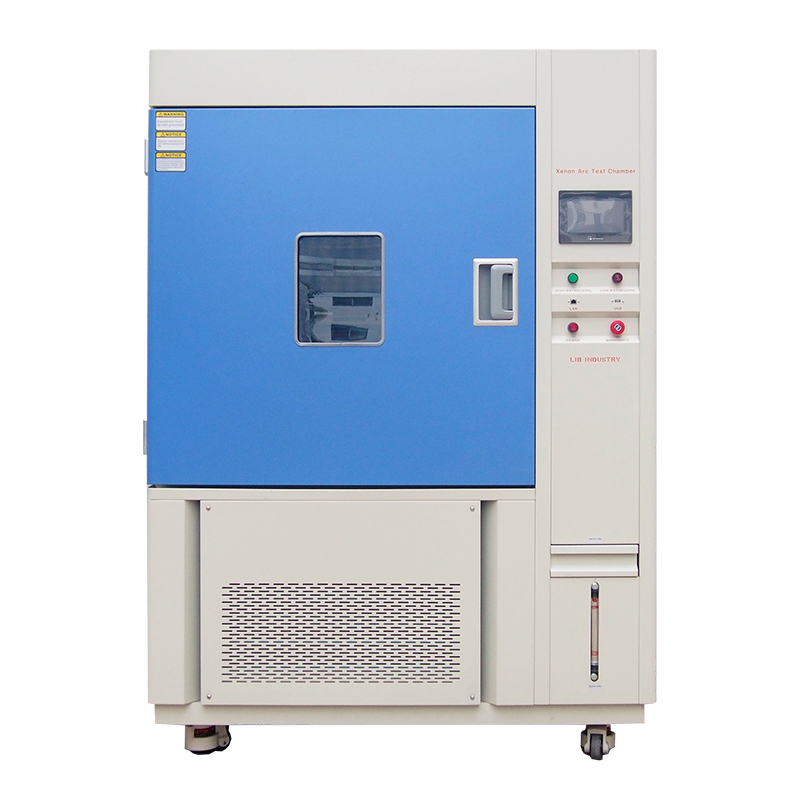
The choice to use a UV fluorescent test or a xenon arc room depends on the question and material use.
UV weathering tests stress ultraviolet radiation effects. They work well for materials where UV-caused breakdown—like color fade or polymer break—is a main worry. They give fast info on UV touchiness. And they are often used in quality checks to screen mixes and coatings.
Xenon arc weathering tests give a more full copy of natural sunlight. They include visible and infrared wavelengths besides UV. For products that face full-range outdoor harm—like outside plastics, signs, car outside parts, or building materials—xenon arc rooms offer a nearer match to real-world settings. Fields that want exact sunlight copy often pick a xenon arc way like ASTM G155 for steady and comparable results across labs.
Quick weathering tests are key in many making and study areas.
Building materials include roof covers and outside walls. They must stand years of sun, rain, and heat changes with little performance loss. Polymers in outdoor chairs, structure seals, and fillers get tested to make sure outdoor steadiness and color keep.
Car fields count on quick weathering data to prove outside trim parts, painted surfaces, and polymer lenses. Here, UV-caused fade or breaks could hurt looks or work.
Plastic and mixed material makers use these tests to look at material mixes. They make choices based on data about add-ins, stabilizers, or UV absorbers to boost outdoor life.
Cloths and coatings in outdoor tools or building fabrics go through quick UV and xenon arc testing. This checks color hold and strong build under changing rounds of sunlight and wet.
Good quick weathering testing needs careful setup.
First, know the environmental settings that fit your final use. If sunlight is the main stress, make sure your rounds show real UV strength and heat ups and downs.
Next, pick the test rule and ways that match your product’s expected work spot. Rules like ASTM G155 give set steps for xenon arc testing. They help make sure results can be compared across labs and product types.
Then, gather and look at many data spots through the test round. Checks like ΔE for color shift, pull strength keep, and shine loss give number-based views that guide material picks.
Last, use control samples and start checks to split the effects of radiation, heat, and wet on breakdown paths.
Xi’an LIB Environmental Simulation Industry is a trusted supplier of accelerated weathering testers. They provide advanced UV and xenon arc chambers. Materials workers and quality pros around the world use them. With a focus on exact environmental copy and steady work, LIB’s solutions back material growth and checks across fields like car, building, cloths, and buyer goods.
All testing solutions from LIB are made to offer stable control of key environmental parameters. These include irradiation intensity, temperature, and humidity. This enables consistent and replicable durability assessments. Their promise to help—from talks to service—aids labs to add quick weathering testing into their product growth and quality promise plans.
Checking material strength through accelerated aging testing is a basic step for any product meant for outdoor use. By packing years of environmental harm into controlled test rounds, UV weathering and xenon arc weathering tests show how materials react to mixed effects of sunlight, heat, and wet. Whether screening polymer mixes, proving coating strength, or checking outdoor performance claims, quick weathering data guides choices that stop early fails and make sure long-term trust.
Accelerated weathering testing copies long-term outdoor harm in a controlled spot. It shows how materials change under sunlight, dampness, and heat rounds. This lets fast strength checks.
A xenon arc test uses a full spectrum light source. It copies natural sunlight closely, including UV, visible, and infrared wavelengths. But UV weathering focuses mainly on ultraviolet radiation effects.
Outdoor plastics, coatings, construction composites, automotive trim, and textiles all gain from these tests. They face light-based breakdown, color shifts, strong loss, or surface breaks under environmental harm.
Yes, standards like ASTM G155 outline procedures for xenon arc tests. They enable consistent evaluations and comparability across labs and product lines.




 EN
EN


