

Lead Provider of Environmental Test Chamber


 Posted on
12 12 2025
Posted on
12 12 2025


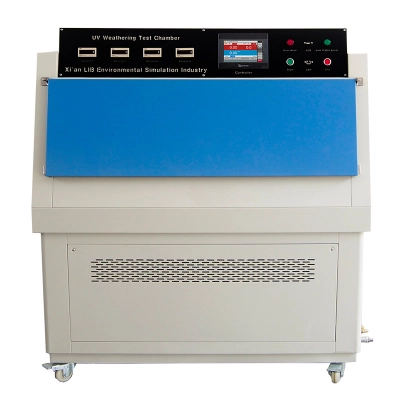
Ever thought about how items stand up to strong sun, wet weather, and high temps as time passes? If you work in making things or checking quality, doing this well can build or hurt your name. This guide shows you the simple steps for using an accelerated weathering tester. It gives practical tips to help you check materials quicker and in a better way. Stay with me. You will learn how these machines make products last longer. And they reduce unexpected problems outside.
These devices copy years of outside wear in just days or weeks. Picture this. Sunlight makes colors fade. Rain leads to rust. Heat changes shapes. An accelerated weathering tester hurries these changes in a safe spot. You place pieces inside. Then run rounds of light, dampness, and warmth. After that, look at what occurs. This helps you find bad spots soon.
Why do it? True outdoor wear takes ages to appear. By speeding it up, you save hours and cash. Also, it creates belief. Buyers know your stuff holds up. Labs use them for studies. Plants depend on them for checks. It all comes down to making sure items do not break when they should not.
Not every tester works the same. Some copy all sunlight. Others hit certain light beams. Knowing this lets you choose the best one for your job.
These use a special bulb to match the sun’s full light. They deal with warmth, wet air, and water drops too. Pieces turn inside for equal touch. You get a good likeness to real outside settings.
To run one, set light amounts, temps, and damp rounds. It works well for paints, plastics, and cloths. Outcomes show fading, breaks, or less strength. Watch gauges to keep things right.
In these, bright bulbs send UV beams. Those are the ones that do most harm from the sun. They add wet buildup or drops for extra stress. Temps stay normal, but the main point is light wear.
Setup is easy with holders for pieces. You control light power and rounds. Good for covers, plastics, and gear for outside. Look for shifts like turning yellow or getting brittle. These testers do well in fast, focused checks.
Start here. Set up your area. Put the tester in a spot with air flow. Make sure power and water are close. Clean all parts. Dirt or mess can change outcomes.
Then, choose your pieces. Cut them to fit in holders. Often small flat shapes. Mark them well. Pick test rules. What light amount? How warm? For how long? Write this out.
Look at supplies:
Clean water for drops.
Covers or bulbs in fine shape.
Safety items like hand covers and eye shields.
Do a fast check run. Turn it on with nothing in. See if numbers match your picks. Fix now to stop issues later.
Set to go? Use these steps. They form the main way for most testers. It does not matter if xenon or UV.
Put pieces on shelves or holders. Spread them out. No touching. Link any gauges for temp or light.
Add water if you need it. Turn on power. Let it heat up. This makes things steady.
Work the screen or buttons. Set details. Light power first. Go for what fits your aim. Next, temp from room to high. Add wet or drops for true feel.
Press start. The device runs on its own. Rounds go by themselves. Light on, then off. Damp, then dry. It copies days to nights. Seasons change quick.
Do not leave it. Look at screens a lot. Is light even? Temp steady? Write notes every few hours.
If something falls, stop and mend. Gauges may need a small change. Watching now keeps checks true.
When done, end the round. Cool slow. Take out pieces with care. Warm ones can hurt skin.
Check them. Match to first ones. See color changes, breaks, or weak spots. Pictures aid. Note logs tell the tale too.
Safety matters a lot. These devices use bright lights and power. Wear eye guards. UV beams can hurt sight. Hand covers protect from heat.
Listen for warnings. Too hot? Low water? They mean trouble. Fix right away.
Keep the spot empty. No junk. Teach your group. All should know how to stop it. This stops mishaps. And it keeps your work easy.
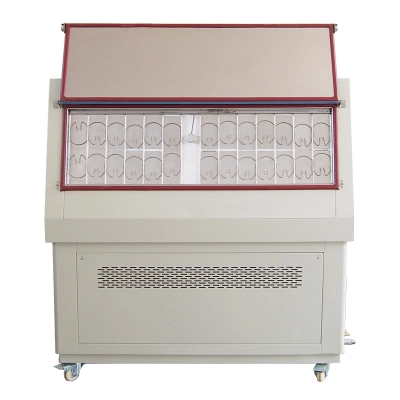
A clean tester works longer. It gives true outcomes. Wipe inside after each use. Clean faces. Empty water holders to stop gunk.
Look at bulbs often. They get weak over time. Change when power drops. Check gauges each year or more.
Keep extra parts. Covers, seals. Have them near. Follow a plan:
Each day: Quick look.
Each week: Clean covers.
Each month: Full check.
Fine care means less stops. It also shows your good work ways.
These testers help many areas. Here is a fast view in a table:
| Industry | Common Uses | Key Benefits |
|---|---|---|
| Automotive | Checking paints and insides | Makes things last against sun |
| Construction | Looking at roofs and sides | Cuts down breaks in bad weather |
| Textiles | Testing cloths and colors | Keeps shades strong over time |
| Electronics | Seeing cases and parts | Stops wear outside |
| Packaging | Copying touch for tags | Holds look and power |
In each spot, outcomes lead to better ways. You make tougher items. Your name shines as trusty. People come back because they believe in your quality.
Think bigger. You grow too. Learning these tools makes you sharp. You turn into the main person in your group. Firms like that.
Before we end, let us chat about an important name in this area. Xi’an LIB Environmental Simulation Industry began in 2009. They make good tools for copying nature, like accelerated weathering testers. With their own mark, they sell in over 40 lands. Seven sellers help share around the world, from North America to Asia and Europe.
They care about good work. Items get hard checks before they go out. Papers prove it. They make special sets to match what you want. Their people give lessons and help all the time. If you want a friend who gives solid tools, think about them. It ties to that “Made in China” feel, linking with users everywhere.
To finish, running an accelerated weathering tester is not hard. But it needs attention and skill. From start to check, each part matters for better items. You saw how it finds problems quick. This saves trouble later. Use these ideas. You will improve your checks. Tough materials mean glad buyers and a strong name. Act now. Your next check could make you stand out.
It splits hard steps into small parts. You learn start, work, and safety without too much. This grows trust fast. It helps you skip usual mistakes. And get true outcomes soon.
Look at the guide each week for usual cleans. And each month for deep looks. Steady use keeps your device fine. It makes it last more. And sure checks each time.
Yes, for sure. It shows basics that work for plastics, paints, or cloths. Change sets for your pieces. You will see how wear hits each one different.
Begin with ready work. Put the tester in a fine place. Load pieces. Set details. This base makes all smooth and good.
Because dangers like UV touch or power problems exist. Ideas tell you to use items and watch warnings. This keeps you and your group safe. While holding good work ways.




 EN
EN


