

Lead Provider of Environmental Test Chamber


 Posted on
11 12 2025
Posted on
11 12 2025


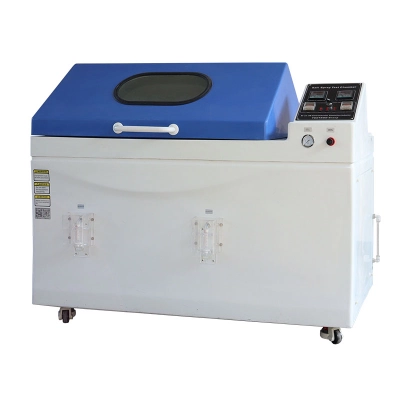
Ever think about why some products last longer in tough spots like near the ocean or on salty roads? Salt spray chambers make that happen. They create a controlled salty mist to check how well materials fight rust. This testing tool shows up in all sorts of areas, helping companies build better stuff. In this post, we’ll look at what these chambers do and where they fit in. You’ll see why they’re a big deal for quality and safety.
Salt spray chambers are special boxes that speed up corrosion tests. They spray a fine salt mist on samples to see how they hold up. Think of it as putting your product through a foggy beach day, but faster. This helps spot weak points early.
The process starts simple. A solution of salt water gets atomized into a mist inside the chamber. Samples sit on racks, exposed for hours or days. Temperature and humidity stay steady to match real-world conditions. Some chambers cycle through wet and dry phases for more realistic tests. It’s all about mimicking nature’s wear and tear in a lab.
These chambers come with features like digital controls for temperature and clear lids to watch the action without stopping the test. Safety bits prevent leaks or overloads. The result? Reliable data on how materials behave under stress.
Corrosion eats away at metals and coatings over time. It costs industries billions each year in fixes and failures. Salt spray testing catches issues before products hit the market. This keeps customers happy and brands strong. Plus, it meets global rules that demand proof of durability.
Cars face rough treatment from road salt in winter. Salt spray chambers help car makers test parts like frames, bumpers, and wheels. They check if coatings stand up to corrosion, keeping vehicles safe and looking good longer.
In automotive testing, samples go through cycles of salt exposure. This shows how well paints and platings protect against rust. For example, a chamber might run a test for 1,000 hours to simulate years of use. Results guide improvements, like better undercoatings. It’s crucial for electric cars too, where battery housings need to resist moisture and salt.
Spots flaws early, cutting down on recalls.
Boosts vehicle lifespan, saving money for owners.
Helps meet safety standards, building trust in the brand.
A table below shows common automotive parts tested and their key concerns:
| Part | Test Focus | Typical Exposure Time |
|---|---|---|
| Chassis | Rust prevention | 500-1000 hours |
| Wheels | Coating integrity | 240-720 hours |
| Exhaust | Heat and salt resistance | 1000+ hours |
This approach keeps cars rolling smoothly, no matter the weather.
Electronics hate moisture and salt. Think phones near the sea or outdoor sensors. Salt spray chambers test circuit boards, connectors, and casings to ensure they don’t fail from corrosion.
These tests expose parts to salty fog, checking for shorts or breakdowns. Humidity control adds realism, mimicking sweaty conditions or rain. Results help pick better materials, like corrosion-resistant alloys. It’s vital for consumer gadgets and industrial gear alike.
For instance, in humid factories, tested enclosures keep machines running. This cuts downtime and repairs.
Electronics firms use these chambers to:
Verify waterproofing claims.
Extend product warranties with confidence.
Stand out in competitive markets by proving reliability.
Without this, devices might corrode fast, hurting user experience and company rep.
Planes fly through salty air over oceans. Salt spray chambers test aircraft materials, from fuselage panels to engine parts. They ensure everything withstands corrosion for safe flights.
Aerospace tests often follow strict standards, like those from ASTM or ISO. Chambers simulate altitude changes with salt exposure. This reveals how coatings hold up under pressure. It’s about passenger safety and cutting maintenance costs.
Lightweight alloys get special attention. Tests show if they rust, affecting strength.
Ensures compliance with aviation regs.
Reduces in-flight risks from material failure.
Supports innovation in lighter, tougher designs.
Airlines rely on this to keep fleets airborne and profitable.
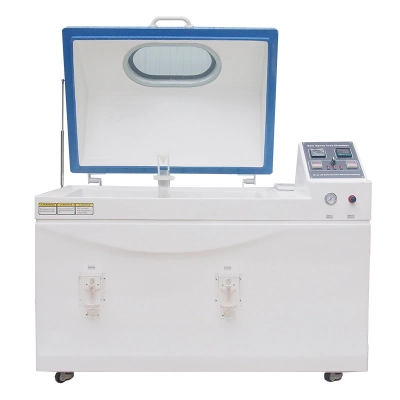
Coatings protect everything from bridges to tools. Salt spray chambers evaluate paints, powders, and platings. They show how well these barriers fight rust.
Tests involve applying coatings to metal samples, then exposing them to salt mist. Blistering or peeling signals problems. This feedback refines formulas for better adhesion and coverage.
It’s quick compared to real-world waiting. Results drive product tweaks.
In construction, tested paints mean longer-lasting structures. For tools, it means less rust in storage. Bullet points highlight perks:
Faster development cycles for new coatings.
Proven performance boosts sales.
Eco-friendly options get validated too.
This sector thrives on such testing for quality assurance.
Boats and rigs battle constant salt water. Salt spray chambers test hulls, decks, and equipment for corrosion resistance.
Chambers recreate waves’ salty spray. This checks welds, paints, and metals. Offshore oil platforms use results to pick durable materials.
It’s about preventing disasters from weakened structures.
Extends equipment life in harsh seas.
Cuts repair costs for ship owners.
Meets maritime safety codes.
Without testing, marine gear fails faster, risking lives and cargo.
Beyond these, salt spray chambers help in military gear, where equipment faces extreme conditions. They test weapons and vehicles for rust. In research labs, they aid new material development. Even consumer goods like outdoor furniture get checked.
A quick table of additional areas:
| Field | Role |
|---|---|
| Military | Equipment durability |
| Research | Material innovation |
| Consumer | Product longevity |
These chambers adapt to many needs, proving their versatility.
Looking for a reliable salt spray chambers supplier? Xi’an LIB Environmental Simulation Industry stands out. Founded in 2009, this company focuses on environmental testing gear. They handle design, production, sales, and service all in-house. Their products reach over 42 countries, with seven top distributors worldwide. They’ve earned trust from big names in tech and tools for their quality. LIB promotes “Made in China” with a global touch, always expanding. If you need solid testing solutions, they’re a strong partner.
Salt spray chambers play a vital role in keeping products tough against corrosion. From cars to planes, they help industries deliver reliable goods. This testing builds stronger brands and safer items. As tech advances, these chambers will keep evolving. Consider them for your next project to stay ahead.
Salt spray chambers test materials for corrosion in fields like automotive, electronics, and aerospace. They simulate salty conditions to check durability, helping companies improve products.
They spray a salt mist on samples in a controlled space. This speeds up rust formation, showing weaknesses fast. It’s useful across many industries for quality checks.
They spot corrosion issues early, saving time and money. In various fields, this leads to better designs and happier customers.
Yes, many adjust for specific needs. This makes them fit for diverse fields, from marine to coatings.
Look for experienced firms like those with global reach. They offer chambers that play a key role in testing across industries.




 EN
EN


