

Lead Provider of Environmental Test Chamber


 Posted on
27 11 2025
Posted on
27 11 2025


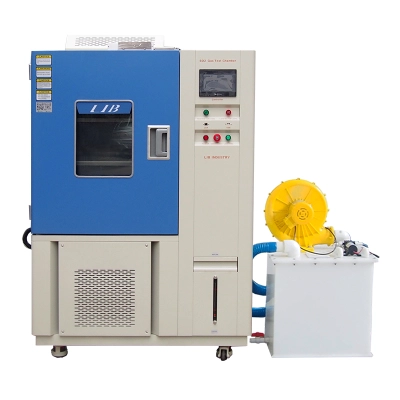
If you’re in manufacturing, research, or quality control, you know how tough it can be to predict how materials hold up in harsh settings. Gases like SO2 and H2S sneak in and cause real damage over time. That’s where the SO2 H2S Gas Corrosion Test Chamber comes into play. It helps you spot weaknesses early, saving headaches down the line. In this post, we’ll dive into its role, why it matters, and how it fits into your work. Stick around – you might find ways to make your products last longer.
These chambers create controlled spaces to mimic corrosive gases in the real world. Think of them as labs in a box. They expose materials to SO2, H2S, or even mixes with other gases like CO2 or HCl. Temperature and humidity join the mix too, making tests feel like actual outdoor or industrial conditions.
Materials face corrosion everywhere – from pipelines in factories to electronics in humid spots. The chamber speeds up this process. You get results fast, without waiting years for nature to do its thing.
Every chamber has parts that work together smoothly. The outer shell uses strong steel with coatings to fight rust itself. Inside, plastics reinforced with glass fiber keep things clean and durable.
Controls are a big deal. A touchscreen lets you set gas levels, heat, and moisture with ease. It speaks multiple languages and connects to your computer for data grabs. Safety locks prevent accidents – the door stays shut during runs.
Refrigeration keeps temps steady, from cool to warm. Wheels make moving simple, and shelves hold your samples just right.
These features aren’t just add-ons. They help you run tests without fuss, day after day.
Corrosion costs billions each year. It weakens structures, ruins parts, and leads to failures. SO2 from factories or H2S from sewers – these gases eat away at metals and coatings. Testing spots problems before they hit the market.
For you, this means stronger products. Customers trust items that last. It builds your reputation. Plus, meeting rules from groups like IEC keeps you compliant. No surprises during audits.
Materials vary. Steel might handle SO2 fine but crack under H2S. Testing shows this upfront. You tweak designs or pick better alloys.
In electronics, tiny corrosion can short circuits. Chambers reveal if casings protect well. For pipelines, it’s about safety – leaks from corrosion are dangerous.
Here’s a quick look at industries that benefit:
Automotive: Parts face exhaust gases daily.
Electronics: Devices in polluted air need tough skins.
Construction: Buildings in coastal areas fight salt and gases.
Oil and Gas: Equipment deals with H2S nonstop.
Testing isn’t a luxury. It’s a smart move to cut costs and boost quality.
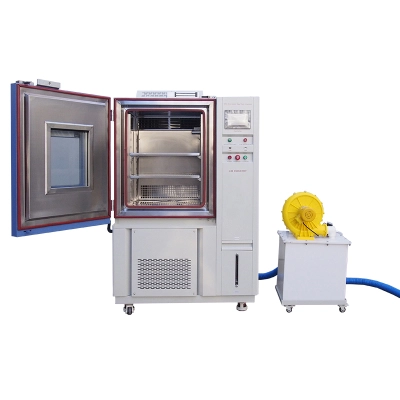
It’s straightforward but clever. You load samples inside. Set the controls for gas type, concentration, temp, and humidity. The system pumps in gases automatically, measuring levels to stay exact.
Temp ranges from 15°C to 80°C. Humidity hits 30% to 98%. Gas like SO2 stays at 25 ppm, give or take 5. Everything runs on a program – no manual tweaks needed.
Safety is built in. Alarms watch for issues. The setup uses air cooling to keep things even. After the test, you check samples for pits, cracks, or color changes.
First, prep your materials. Cut them to size, clean them up.
Next, program the chamber. Pick single gas or mix. Set time – hours or days.
Run the test. The machine handles the rest, logging data.
Finally, analyze. Weigh samples, look under microscopes. Compare to standards.
This process gives clear data. You see what works and what doesn’t. Adjust and test again if needed.
These chambers shine in many fields. In research labs, scientists study new coatings. They expose them to gases and track resistance.
Manufacturers use them for quality checks. Before shipping, parts get tested. It catches flaws early.
Take automotive parts. Exhaust systems face SO2 from fuel. Testing ensures they don’t corrode fast, keeping cars safe.
In electronics, circuit boards in factories with H2S need protection. Chambers simulate years of exposure in weeks.
Here’s a table showing key applications:
| Sector | Common Gases Tested | Main Benefit |
|---|---|---|
| Automotive | SO2, H2S | Longer part life, safer rides |
| Electronics | SO2, CO2 | Reliable devices in tough spots |
| Construction | H2S, HCl | Durable buildings, less repairs |
| Oil and Gas | H2S | Prevent leaks, boost safety |
Each sector gains from better materials. Your team saves time and money. Products perform well, earning good reviews.
Using these chambers builds confidence. You know your items stand up to corrosion. It sets you apart from competitors.
For personal growth, learning to run tests sharpens skills. You become the go-to expert in your group.
On the business side, it cuts waste. Fewer returns mean happier clients. Your brand grows strong.
Setup is quick. Controls are user-friendly – no steep learning curve. Data exports help with reports.
Maintenance is low. Strong builds last years. Support teams fix issues fast.
In short, these tools make work smoother. You focus on innovation, not fixes.
Pick one that fits your needs. Think about size, gas types, and controls. Good suppliers offer custom fits.
Keep it clean. Wipe down after tests. Check calibrations yearly.
Training helps. Learn from pros to get the most out.
Xi’an LIB Environmental Simulation Industry stands out as a reliable supplier in this field. Founded in 2009, the company started making test chambers for local markets and soon went global. Today, their products reach over 40 countries, with distributors in places like Canada, Mexico, Italy, Malaysia, South Korea, Pakistan, and Romania. They’re building an after-sales center in Malaysia to serve customers better.
With their own brand, they handle design, production, sales, and service all in-house. They push “Made in China” quality to the world, partnering with people who share that vision. Their chambers meet tough standards like CE, CSA, RoHS, TUV, SGS, and ISO17025. Before shipping, every unit gets checked, calibrated, and tested in the factory.
They’ve earned trust from big names in tech, tools, and education through professional work and solid products. If you’re looking for a partner, they’re open to working together – whether as a customer, agent, or collaborator. Their team responds fast to questions, offering solutions tailored to your tests.
In the end, they see themselves as your ally in environmental testing, providing chambers that help with research, quality checks, and more.
The role of the SO2 H2S Gas Corrosion Test Chamber goes beyond simple testing – it’s about building tougher materials and smarter businesses. By simulating harsh conditions, it gives you the edge to create products that endure. Whether you’re in a lab or on a factory floor, this tool helps turn challenges into strengths. Now’s the time to think about how it fits your setup.
The role of the SO2 H2S Gas Corrosion Test Chamber is to simulate corrosive environments with gases like SO2 and H2S, plus controlled temperature and humidity. It helps evaluate how materials and parts hold up, spotting weaknesses early to improve durability and meet standards.
It plays a key role in cutting costs from failures and boosting product quality. By testing under real-like conditions, you avoid surprises, build customer trust, and strengthen your brand in competitive markets.
Yes, its role includes testing single or mixed gases like SO2, H2S, CO2, or HCl. This flexibility lets you mimic complex real-world scenarios for more accurate results.
Regular cleaning after tests and yearly calibrations keep it running well. Its design makes upkeep simple, supporting its ongoing role in reliable testing.
Suppliers like us offer training, quick fixes, and custom advice. This ensures the chamber fulfills its role effectively in your operations.




 EN
EN


