

Lead Provider of Environmental Test Chamber


 Posted on
21 11 2025
Posted on
21 11 2025


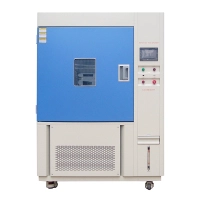
If you work in making things, doing research, or checking quality, you have probably come across test chambers. These devices have a big part in seeing how items stand up to hard situations. Consider this. Before a new device goes out for sale, it has to show it can deal with hot spots, cold areas, or wet places without breaking down. That is the job of test chambers. They set up managed spaces to copy real-life pressures. And this helps groups find problems soon.
In this piece, we will go over what a test chamber is and how it runs. We will check out various kinds, their inside parts, and why they count for your tasks. If you are an engineer looking at electronics or a lab worker running checks on stuff, knowing these basics can improve your methods. It can also make things more dependable in what you handle.
A test chamber is mainly a closed area made to copy outside factors. It puts items through things like very high heat, wet levels, or quick changes in settings. This lets you watch how things act without waiting for normal damage.
Why do it? Life brings surprises, like burning hot dry lands or icy cold seasons. With a test chamber, you spot weak spots fast. It cuts down time and cash, and it lowers calls back or breaks later on.
A lot of test chambers have some shared points. They usually have strong builds to hold settings steady. Dials let you pick exact measures, and feelers watch all in the moment. Safety parts, like auto stops, guard the gear and your items.
Sizes differ as well. Some sit on a table for tiny bits, while others are large for big groups. The pick relies on what you check, such as power cells, car pieces, or sun boards.
Test chambers come in different forms. Each kind aims at certain wants. Here is a list of usual ones, from what fields use a lot.
These are main tools for many work spaces. They manage both warmth and damp, copying weather from dry to wet hot.
Think of a chamber that goes up to big heat while adding in damp. It checks if covers come off or wired things fail. Cold versions go down to freeze points, looking for breaks in bendy stuff or hard metals.
They come in standing or table styles, and they fit from daily hold checks to long wear studies. For example, you could do a loop that goes from cold to hot. This copies an item’s trip from make place to user.
Usual Jobs: Wired item strength, power cell time in changing air, stuff power over days.
Good Points: Varied sizes, simple to set for same checks again.
Need to push for fast changes? Thermal shock chambers do that by flipping between warm and cold spots quick.
In a two-zone type, items move by a holder from one spot to another, say from very hot to very cold. This shows issues like grow breaks.
Three-zone types keep items in place. Air comes in to switch heats, and it is easier on breakable things. Both use easy moves to skip added harm.
They work well for sky craft bits or army gear, where fast flips occur often.
Remember salt spray types for rust checks or drying boxes for water take out. Salt spray puts stuff in salty fog air, speeding rust trials. Drying boxes heat to remove damp from colors, woods, or marks.
Each form fits special jobs, like car covers or sun board weather.
| Type | Main Job | Usual Range |
|---|---|---|
| Temperature Humidity | Warm, cold, damp control | -70°C to +180°C, 10-98% RH |
| Thermal Shock | Fast heat flips | -70°C to +200°C |
| Salt Spray | Rust copy | Room with salt fog |
This chart gives fast looks. Choose from your check aims.
Wonder about the parts? Let us look close. It begins basic but gets exact.
At the center, a test chamber handles air move, warming, and cooling. Cool units take out heat, while warmers add it in. For damp, systems put in or take out wet, like steam makers or dry tools.
Dials link it all. You set loops on a display: stay at 50°C for hours, then go to -20°C. Feelers give back info, changing right away to stay right.
Chamber Sides: Padded to keep settings in. Often hard steel for long last.
Cooling Way: Pushers or liquid types pull heat. Stacked ways layer for deeper colds.
Warming Bits: Loops or lights go up heats quick.
Damp Dials: Feelers check wet; doors let out steam or take it.
Air Move: Blowers hold even spread, skipping warm or cold areas.
Safety holds stop opens in runs. Some link to wires for far watch.
Put in your item, fix it on holders or stands.
Pick measures: heat goes up, stay times, loops.
Begin the run. The chamber closes and starts changing.
Watch by screens or programs. Info saves all.
Finish loop, look at item for shifts.
It is direct, but the tech makes it same each time. Do the same check twice, get steady outcomes.
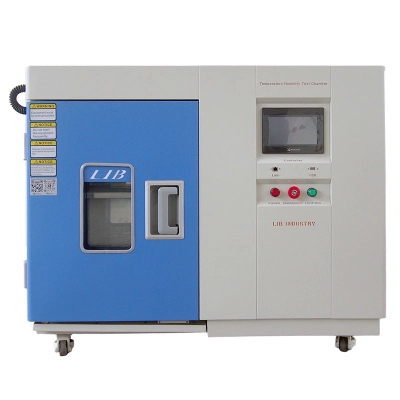
In tough fields, steady items make faith. Test chambers aid by finding flaws early. For wired things, they copy years of use in days. Car makers look at bits for road highs.
This way lowers costs, fix problems in plan, not after sell. It also hits rules, like for world trade.
Wired Items: Heat and damp trials for paths.
Cars: Cold starts, hot motor spots.
Sky Work: Empty like colds, shake mixes.
Sun Power: Weather for boards under sun and rain copies.
Study Spaces: Setting tools, looking at stuff acts.
Whatever your area, these chambers change. They help new ideas, letting you go further with stuff.
Strong checks say a lot. They show care for top work, pulling people who like strong items. For groups, it means less sends back and glad users. For you, learning these tools betters your know how. It makes you the one for trust checks.
See it as putting in name. Hard check info backs your words, winning over others with real points.
When choosing a provider, past work matters. Xi’an LIB Environmental Simulation Industry shines in this area. Started in 2009, the group centers on planning, making, and helping with test chambers. With its own mark, it has gone to over 42 lands through sells and seven top dealers around the world, like in Canada, Mexico, Italy, Malaysia, South Korea, Bahrain, and Romania.
The crew pushes good “Made in China” items, gaining faith from big names like Intel, IBM, Stanley Tools, Intertek, TUV, and the University of Toronto. They welcome team ups, always growing to fit world wants. If you look for steady chambers, they deserve a glance for their skilled way and strong past.
Test chambers are more than cases, they are key for pushing items to edges in safe ways. From simple heat looks to hard shock checks, they give views that lead better plans. By getting how they run, you can choose the fit one for your wants. This makes sure your tasks shine for good and strong. Set to check out? Look into picks that match your set.
A test chamber sets up managed spaces to see how stuff or items do under push, like heat or cold. It aids find likely breaks before they show in real use.
It runs by changing heats in fixed loops, with warmers and coolers to copy shifts. Feelers hold all exact, saving info for look.
Yes, they go from tiny table units for work space to big walk in kinds for large things. Pick from your item size and check form.
A good provider gives strong gear that hits rules, backing your checks with steady outcomes. It grows faith in your ends.
Many can change for certain wants, like super low heats or damp levels. This makes them good for special jobs.




 EN
EN


