

Lead Provider of Environmental Test Chamber


 Posted on
07 11 2025
Posted on
07 11 2025


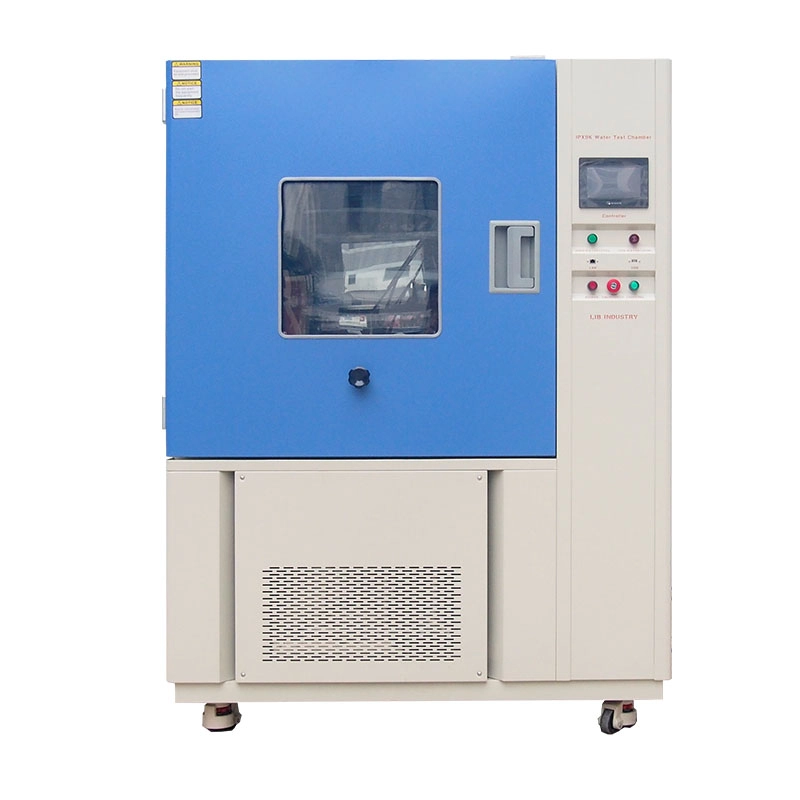
Have you ever wondered how products hold up against heavy downpours or constant drizzles? That’s where rain test chambers come in. These tools mimic real-world water exposure to check if items can withstand moisture without breaking down. For manufacturers, engineers, and quality teams, knowing about them can make a big difference in product reliability. This guide walks you through everything from basics to real-world uses. We’ll cover what they do, why they matter, and how to pick one that fits your needs. Stick around – by the end, you’ll see how these chambers boost your work and keep customers happy.
Rain test chambers aren’t just fancy boxes. They simulate rain to test seals, coatings, and materials. Think about electronics that get wet or vehicles driving through storms. Without proper testing, failures happen fast. But with the right setup, you spot issues early. This saves time and money. Plus, it builds trust in your brand. Let’s dive in.
Rain test chambers play a central role in quality control across many fields. They let teams push products to their limits under controlled water conditions, revealing hidden flaws before they reach the market. Engineers use them daily to validate designs, while production lines rely on them for batch checks. The beauty lies in their precision – you control every drop, every angle. This section breaks down the essentials, starting with what they are and how they operate. Understanding these foundations helps you make smarter choices for your projects.
At their core, rain test chambers are enclosed spaces that recreate rainfall conditions. They spray water in controlled ways to mimic light showers or intense storms. You place your product inside, run the test, and see how it performs. Simple, right? But the tech behind them is smart. They handle different water pressures, angles, and durations. This helps check for leaks, corrosion, or weak spots.
These chambers come in various sizes. Some are small for lab benches, others big enough to walk into with large items like cars. The goal? Ensure your goods meet standards for water resistance. Industries rely on them to avoid recalls or unhappy users. Imagine a phone that shorts out in the rain – not good. Testing prevents that. Teams often run multiple cycles to gather data, refining designs on the spot. It’s a hands-on way to build tougher products that customers can count on.
Here’s the nuts and bolts. Water gets pumped through nozzles that adjust for spray patterns. Controls let you set intensity, like gentle mist or heavy pour. Temperature and humidity often mix in too. Sensors track everything. Data logs show where water sneaks in.
Start with setup: secure your sample, close the door. Hit start, and the chamber does its thing. After, inspect for damage. It’s straightforward but precise. Advanced ones add wind or vibrations for real-life feel. Why bother? Because lab results predict field performance. Skip this, and surprises await. Operators fine-tune settings based on test goals, sometimes running overnight for endurance checks. The output? Clear reports that guide improvements and prove compliance.
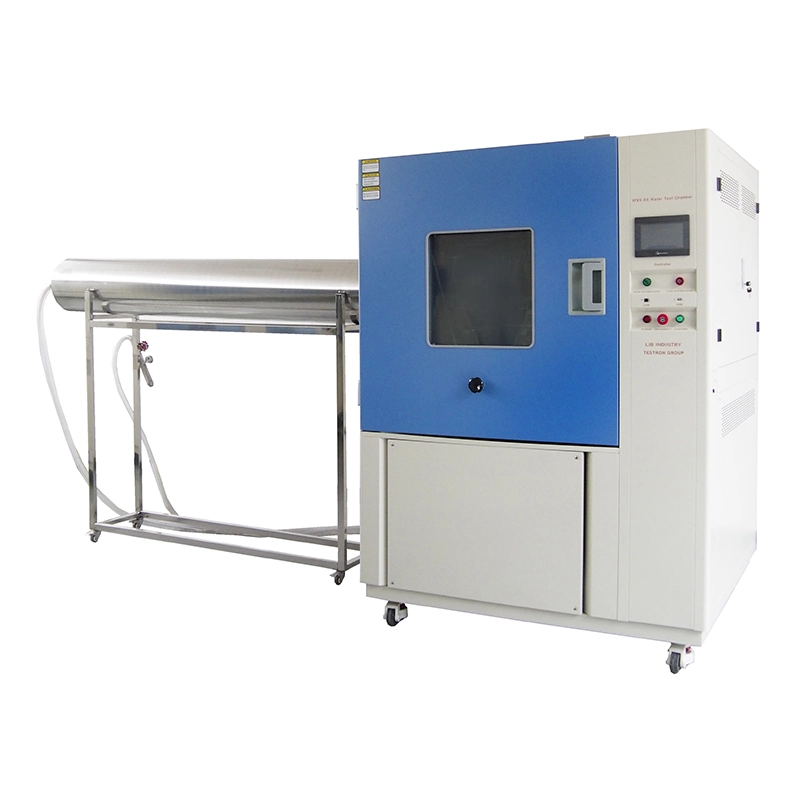
Picking a rain test chamber means balancing needs with capabilities. Not every feature suits every shop, but the right ones streamline your workflow and deliver solid results. Think about your daily tests: do you need quick setups or detailed analytics? We’ll use a table to compare, then explain why they count. Focus here to avoid regrets down the line.
When eyeing a rain test chamber, focus on what makes it tick. Durability tops the list – stainless steel insides resist rust. Controls should be user-friendly, with touch screens for easy tweaks. Safety features matter too: auto-shutoffs if things overheat or leak.
Nozzles vary. Some swivel for even coverage; others fix for targeted sprays. Size flexibility helps – modular designs expand as needs grow. Energy efficiency? A plus in long runs. Look for chambers that integrate with other tests, like dust or heat, for combo simulations.
Here’s a quick table on must-have features:
|
Feature |
Why It Matters |
Example Benefit |
|
Adjustable Nozzles |
Customizes rain intensity |
Tests specific weak points |
|
Data Logging |
Records test results accurately |
Easy analysis and reports |
|
Safety Alarms |
Prevents accidents |
Keeps your team safe |
|
Custom Sizes |
Fits different products |
Handles small gadgets to vehicles |
These elements turn a basic box into a powerhouse tool. Pick wisely, and your testing flows smooth. Teams often pair them with software for remote monitoring, cutting hands-on time.
Rain test chambers shine in diverse settings, from factories to research labs. They bridge the gap between design ideas and real-world durability. Different sectors face unique water challenges, so chambers adapt to those demands. This section explores key areas, showing how testing fits into workflows. You’ll see patterns that apply to your own operations, sparking ideas for broader use.
Cars face all kinds of weather. Rain test chambers check seals on doors, windows, and underbodies. Water sneaking in leads to rust or electrical shorts. Test a prototype here, and you catch problems before production. It’s about safety on the road. Wet brakes? Foggy lights? These chambers simulate it all.
For electric vehicles, it’s crucial. Batteries hate water. A good test ensures enclosures stay dry. Manufacturers use them to meet global standards. Result? Vehicles that last longer, even in monsoons. Shops run full-vehicle tests in walk-in models, logging data for certifications. This step-by-step approach keeps assembly lines moving without delays.
Phones, laptops, outdoor lights – they all need water resistance. Chambers test how well casings block moisture. Drop in humidity, add sprays, and watch. Failures show up quick: corroded circuits or foggy screens.
Outdoor gear like cameras or sensors benefits too. Military specs often demand this. Why? Reliability in the field. No one wants a drone failing mid-rain. Labs cycle through IP ratings, from basic splash to full submersion prep. Quick iterations mean faster market entry for new devices.
Planes and gear endure extreme conditions. Rain tests check avionics, radomes, and more. Water ingress can doom missions. Chambers replicate high-altitude rains or ground washes.
Defense items like tents or vehicles get the same treatment. It’s about mission success. Harsh tests build tough products. Protocols here include combined stressors, ensuring gear holds in storms plus dust or cold. Data feeds back into designs, raising the bar for performance.
Other spots? Consumer goods, like waterproof bags or appliances. Even packaging – think food crates that stay dry. Versatile, huh? Cross-industry sharing of test methods cuts costs and spreads best practices.
The payoff from rain testing goes beyond passing checks. It shapes your entire operation, from R&D to customer support. Early detection means fewer headaches later. This section digs into advantages, backed by real gains teams report. Use these insights to pitch investments or refine processes.
Why invest? First off, they cut costs. Spot flaws early, avoid pricey fixes later. Products last longer, boosting your rep. Customers love reliable stuff.
Compliance is key. Many regs require water tests. Pass them here, sail through audits. Innovation thrives too – test new materials without real-world risks.
In short, these chambers pay off big. They turn guesses into facts. Companies see return on investment through reduced warranties and stronger market position.
Selection starts with self-assessment. Map your tests: frequency, scale, standards. This guides everything from budget to specs. Suppliers offer advice, but your input drives the fit. Here’s how to narrow options without overwhelm.
Not all chambers fit every job. Start with size: what are you testing? Small parts? Go compact. Big assemblies? Think walk-in.
Budget plays in. Basic models work for starters; fancy ones add bells like automation. Check power needs – some guzzle energy.
Ask: How often will you use it? Daily? Get rugged build. Rare? Simpler suffices.
Consider add-ons. Humidity control? Wind simulation? Match to your tests.
Talk to suppliers. Good ones guide you. Test a demo if possible. Right choice amps your efficiency. Follow-up with trials to confirm.
Upkeep keeps chambers reliable. Neglect leads to inaccurate tests or breakdowns. Build routines that fit your schedule. This section offers practical steps, from daily wipes to yearly overhauls.
Keep it running smooth. Clean nozzles after runs – clogs kill accuracy. Check seals for wear; replace as needed.
Schedule calibrations. Accurate sensors mean trustworthy data. Store dry to avoid mold.
Best tips? Train your team. Know the manual inside out. Log every test for patterns.
Follow these, and your chamber lasts years. Downtime drops, productivity rises. Track maintenance in logs for audits.
Looking for a reliable partner in this field? Xi’an LIB Environmental Simulation Industry stands out. With over a decade serving global markets, they craft standard and custom chambers for environmental testing, including those for rain and water simulations. Their lineup covers temperature, humidity, dust, and more, all built to high standards like CE and RoHS.
Based in China, they’ve reached customers in the US, Europe, Asia, and beyond. Think industries, labs, and research spots. They handle everything from design to delivery, with on-site setup and training. Need tweaks? Their team customizes to fit. Plus, a three-year warranty and quick support keep things humming. Local service centers abroad mean help is close. For inquiries, drop an email – responses come fast. They’re all about making your testing easier and more effective.
Wrapping up, rain test chambers are vital for anyone serious about product toughness. From basics to advanced uses, they help you deliver items that stand up to the elements. Whether in cars, gadgets, or beyond, smart testing builds better brands. Consider your needs, maintain well, and partner with pros. This guide arms you to step up your game. Ready to weather any storm?
A rain test chamber is a setup that simulates rainfall to test how products handle water exposure. It’s key for spotting leaks or weaknesses early. In this complete guide to rain test chambers, we see they help meet standards and avoid failures in real use.
Look at size, features, and your testing volume. For a complete guide, factor in custom options and energy use. Walk-in types suit big items, while bench ones work for labs. Match it to your industry needs.
Clean regularly and check parts like nozzles. This complete guide suggests scheduling checks to keep accuracy high. Good habits extend life and ensure reliable results.
Yes, many do. They mix factors for real-world sims. As part of a complete guide to rain test chambers, this versatility tests complex scenarios, boosting product readiness.
Reputable ones like Xi’an LIB offer global support. This guide highlights their custom solutions and quick service for your water testing setup.




 EN
EN


