

Lead Provider of Environmental Test Chamber


 Posted on
06 11 2025
Posted on
06 11 2025


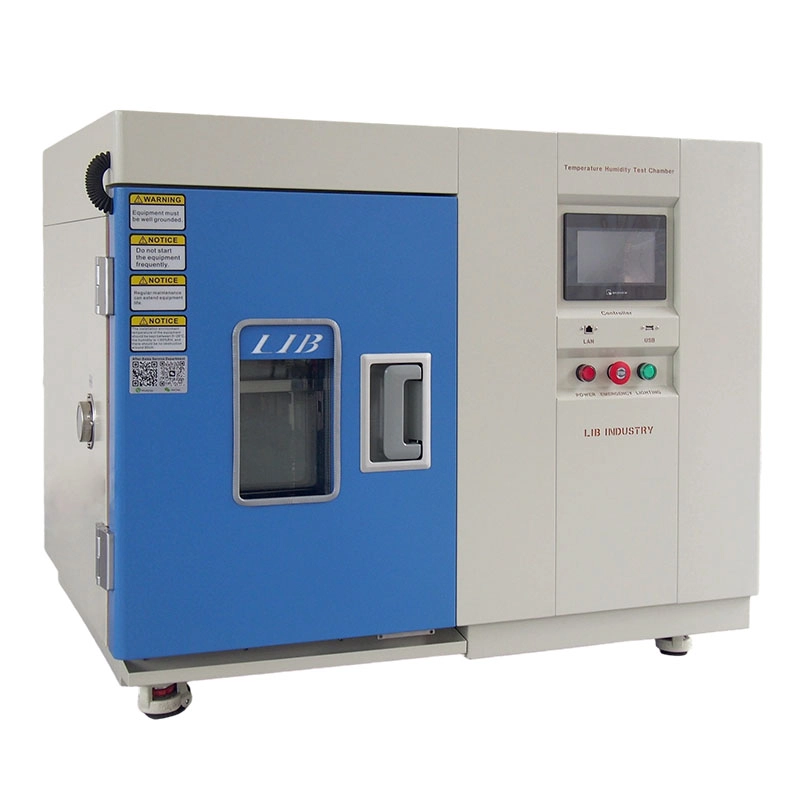
Temperature humidity chambers play a big role in testing how well materials and products handle various weather conditions. Whether you work in electronics, cars, or research, keeping these machines in good order saves time and cash. Regular upkeep ensures steady results and stretches the life of your gear. Let’s explore some simple, practical ways to keep your temperature humidity chamber working great.
A well-kept chamber gives reliable performance, which is a must for solid test outcomes. Skipping care can lead to breakdowns, wrong data, or pricey fixes. Picture it like a bike—regular tune-ups stop big troubles later. For labs and factories, downtime cuts into work, so staying on top of care is a wise choice. Plus, a smoothly running chamber lifts your reputation for top-notch work.
Frequent maintenance spots small issues before they worsen. Dirt, dampness, or old parts can throw off temperature and humidity readings. Fixing these early prevents sudden failures during key tests. It’s also a way to keep safety first, especially with extreme hot or cold cycles. Staying proactive keeps your team at ease and your results dependable.
Good testing depends on a chamber holding steady conditions. A grimy sensor or leaky seal can mess up humidity levels or temperature shifts. This impacts everything from cold resistance checks to heat cycles. Consistent care keeps your data strong, which helps meet industry rules and builds your name’s trustworthiness.
Begin with easy routines to maintain your chamber. These quick tasks fit into a busy day and stop bigger problems later.
Dust and bits can block airflow and confuse sensors. Use a soft, dry cloth to clean the inside each day. If something spills, grab a gentle soap and rinse well—skip strong chemicals that might harm surfaces. Dry it off to avoid mold, especially in wet settings.
Seals around doors and panels block leaks that ruin humidity control. Check them daily for tears or wear. A quick wipe with a wet cloth clears dirt, and a bit of silicone lube keeps them soft. If you see damage, swap them out fast to save energy and keep readings right.
Take a peek at the control panel every day. Notice any weird temperature or humidity changes. If the numbers look off, jot them down and plan a calibration check. This habit catches trouble early, cutting down on later fixes.
Weekly tasks dig deeper, focusing on areas needing regular attention. Set aside time to handle these for a full review.
Clogged filters slow airflow, stressing the system. Look at and clean or replace filters weekly. Use a vacuum or air spray for vents, making sure nothing blocks the way. Smooth airflow keeps temperature changes steady and efficient.
Many chambers need water for humidity control. Check the tank weekly to avoid running out, which can hurt the unit. Add distilled water to stop mineral buildup. Drain and scrub the tank if you see grit—clean water means better work.
Safety alerts and emergency stops protect your gear and team. Test them weekly with a fake problem. If they don’t work, call a tech. This step keeps you safe during surprises.
Monthly tasks tackle bigger parts, keeping your chamber reliable over time. These take more effort but reduce breakdowns.
Sensors shift over time, affecting accuracy. Adjust them monthly with a trusted thermometer and hygrometer. Follow the guide or get a pro if you’re unsure. Exact readings build faith in your test results.
Listen for odd sounds from the cooling or heating units. Check coils for frost or dust—clean with a soft brush if needed. A quiet system handles extreme cold or heat tests without issues.
Rails or baskets in thermal shock chambers need oil to slide easily. Use the right oil monthly to lessen wear. This keeps specimen moves smooth and avoids machine strain.
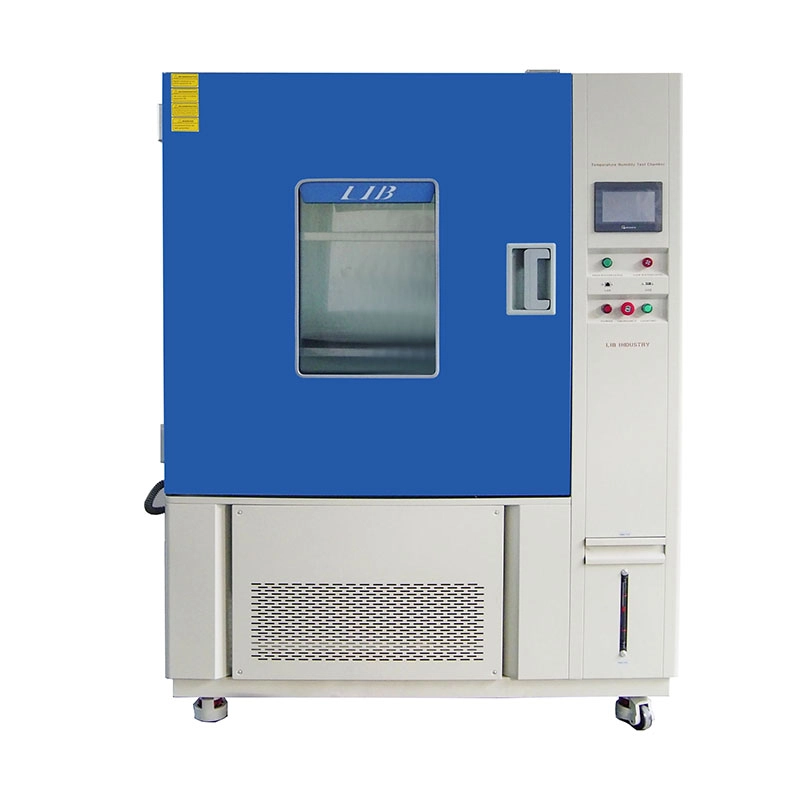
Twice a year, give your chamber a big overhaul. This catches wear from heavy use and gets it ready for season changes.
Turn off the chamber and clean every corner. Remove panels to reach hidden spots, using a mild cleaner and dry cloth. This clears months of buildup, ensuring even performance in all conditions.
Look at hoses, belts, and seals for signs of age. Replace anything cracked or stiff before it breaks. Keep spare parts handy to avoid delays—being ready brings peace of mind.
Bring in a technician for a twice-a-year tune-up. They can catch problems you miss and update software if needed. A pro visit keeps your chamber certified and up to code.
Even with good care, issues pop up. Knowing how to deal with them keeps your work flowing.
If hot or cold spots show up, check for airflow blocks. Move specimens around or clean vents. If it doesn’t improve, a broken fan might be the cause—get help if it lingers.
Low water or dirty humidifiers cause shifts. Refill the tank and clean the unit. If it continues, look at seals or sensors for leaks or drift.
Rattling might mean loose parts. Tighten screws and check moving bits. A loud hum could signal motor trouble—stop and seek help to prevent damage.
Before tackling common questions, it’s good to know about the experts behind these chambers. Xi’an LIB Environmental Simulation Industry, a trusted supplier, started in 2009 in China. They serve customers worldwide, with distributors in 42 countries. Known for skilled design, building, and support, they’ve earned respect from big clients globally. Their focus on quality makes them a solid partner for your testing needs.
Keeping your temperature humidity chamber in shape doesn’t have to feel hard. With daily, weekly, monthly, and twice-a-year tasks, you can keep it running well. These steps protect your investment and ensure tests give true, steady results. A cared-for chamber shows your commitment to excellence, lifting both your personal and business name in the field.
Start with daily cleaning and seal checks. Each week, look at filters and water. Monthly, adjust sensors and inspect systems. Twice a year, do a deep clean and call a pro. This routine keeps your chamber strong.
Try monthly adjustments to keep readings correct. Use trusted tools and follow the guide. If you see shifts, check sooner to avoid bad test results.
First, check the water and clean the humidifier. Look at seals and sensors for leaks or wear. If it doesn’t stop, a tech can find the problem quick.
Yes, for basics like cleaning and water checks. But for adjustments, cooling fixes, or safety tests, get a pro to keep it safe and proper.




 EN
EN


