

Lead Provider of Environmental Test Chamber


 Posted on
31 10 2025
Posted on
31 10 2025


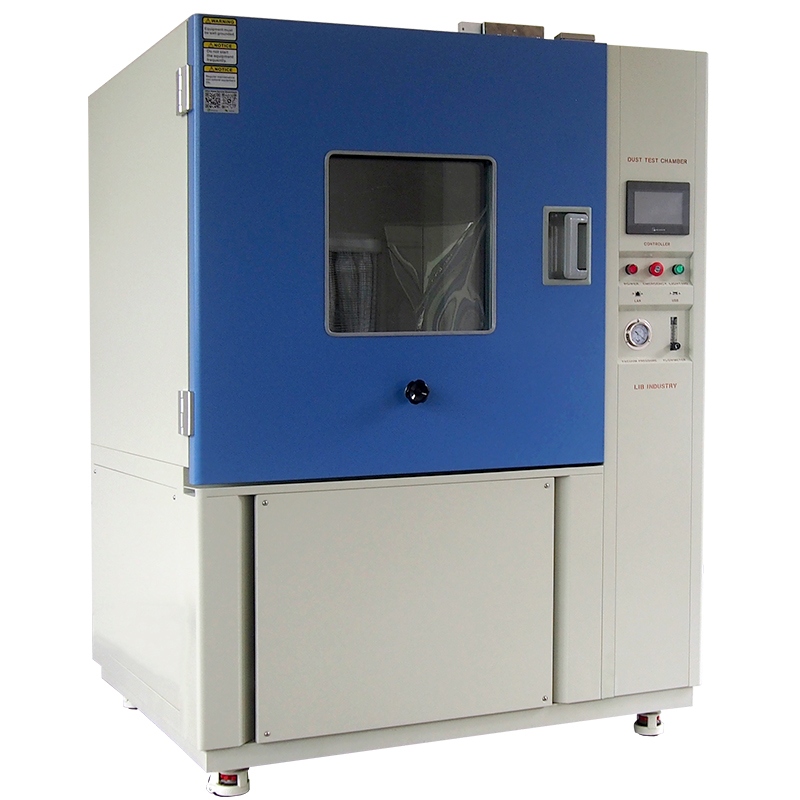
Dust test chambers play a key role in keeping products tough against harsh conditions. Think about electronics in a desert or car parts kicking up sand on a rough road. These chambers mimic that grit to spot weaknesses early. But like any tool in a busy lab, they need care to stay sharp. Skip maintenance, and you risk faulty tests or breakdowns that slow everything down. Good upkeep keeps results reliable and your setup running smooth. In this post, we’ll walk through practical steps to handle your dust test chamber right. You’ll pick up tips that fit right into your daily grind, whether you’re in quality control or R&D.
Dust test chambers create controlled storms of fine particles to check how well seals hold up. Air blows through a mix of talcum powder or sand, swirling around samples at set speeds. This setup follows standards like IEC 60529, which grades protection from IP5X to IP6X. You get a clear picture of how gear stands up to real-world dust without heading outdoors.
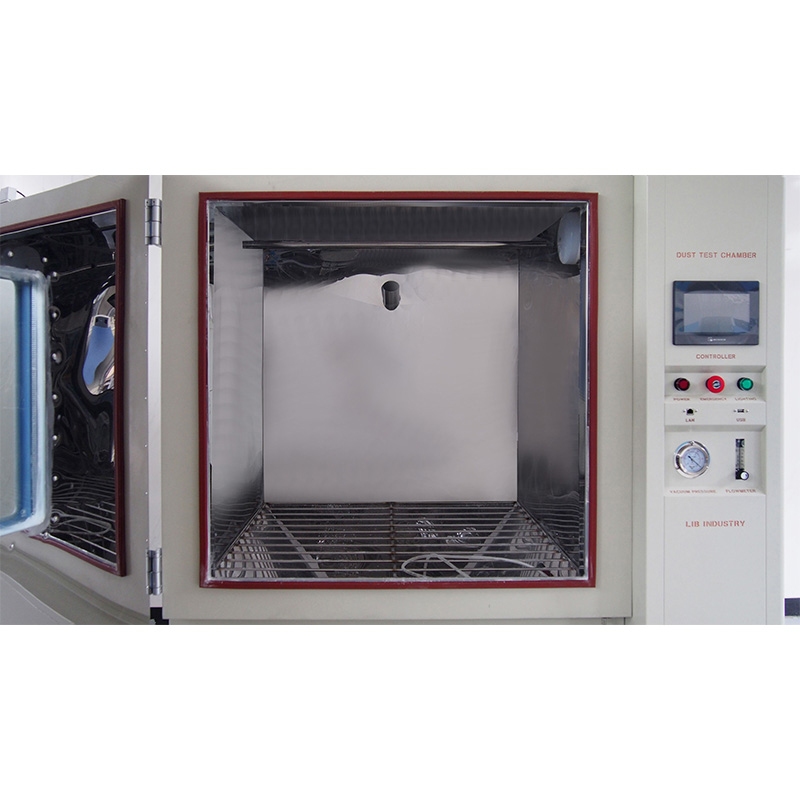
These units aren’t just boxes with fans. Inside, stainless steel walls resist corrosion from the powder. A viewing window lets you watch without stopping the run, and some have wipers to clear smudges. Controls run on touch screens, easy to tweak for cycles up to 99 hours. Power pulls from standard outlets, but safety features cut risks like overloads or leaks.
Every chamber has a few spots that see the most action. The blower keeps dust moving steady. Seals around doors stop leaks. Filters catch extra grit before it clogs things up. And the vacuum system, if fitted, pulls air to amp up the test pressure. Get familiar with these, and checks go quicker.
Labs testing phones, lights, or switches lean on these chambers daily. Auto shops check dashboards for sand creep. Even solar panels get a dust bath to see coating wear. Anywhere seals matter, you’ll find one humming away.
Picture this: A big test run halts because dust jammed the fan. Hours lost, plus the hassle of calling in help. Regular care heads that off. It stretches the chamber’s life—some last 20 years with steady attention. Plus, clean runs mean data you can trust, no second-guessing from buildup.
Down time hits hard in tight schedules. A quick wipe or filter swap saves days of rework. And think about safety. Loose dust means slips or sparks if it builds in wires. Keep things tidy, and you dodge fines from failed audits too. It’s not just about the machine; it’s your whole operation staying on track.
Start small. Each day after a run, give the chamber a once-over. Shut it down first, unplug if needed. Open the door wide to let dust settle—no rushing in blind.
These steps take 10 minutes tops. Do them, and you cut wear from the get-go. Short bursts like this beat a big cleanup scramble.
Bump it up once a week. Pull out tools for a closer look. And monthly, dig into the guts.
For weekly work:
Monthly, go further. Here’s a simple checklist in table form to track it:
|
Task |
How to Do It |
Why It Helps |
Tools Needed |
|
Seal Inspection |
Rub a finger along edges; feel for gaps. Apply silicone spray if dry. |
Stops dust leaks, keeps tests accurate. |
Glove, spray bottle |
|
Electrical Wipe-Down |
Use compressed air on panels. Avoid water near plugs. |
Clears buildup that sparks fires. |
Air canister, cloth |
|
Calibration Check |
Run a known sample; compare readings to logs. |
Spots drift early. |
Logbook, sample |
|
Fan Belt Tension |
Tug gently; should give a bit, not flop. Tighten if loose. |
Even dust flow, no breakdowns. |
Wrench |
Log each check. Dates and notes build a trail for warranties or audits. Miss one? No big deal—just catch the next. This rhythm keeps surprises low.
Seasons change, so does your chamber’s load. In dry months, dust flies thicker—up those filter swaps. Humid spells? Watch for mold in damp corners; air it out extra.
For storage between big projects:
Over years, plan for pros. Every couple of years, book a full service. They swap wear parts like bearings before they whine. It’s like an oil change for your lab heart—prevents the tow truck call.
Trouble brews quiet sometimes. Here’s what to watch.
Common hiccups:
For each, stop the test right away. Note symptoms: When did it start? What was running? Snap photos. Then, hit up support—most lines answer in hours. DIY where safe, but don’t force it. A pro touch saves headaches.
Many issues tie back to buildup. After every test, sweep out sand right away. It stops grit from grinding parts down. And keep logs: Patterns show when to tweak routines.
Before we wrap up, a quick word on where solid dust test chambers come from. Xi’an LIB Environmental Simulation Industry kicked off in 2009, crafting gear for labs worldwide. They handle design, build, and back-end support under their own banner. Today, their setups reach 42 countries, with hands-on distributors in spots like Canada, Mexico, and Malaysia. Big names in tech and testing count on them for reliable runs. It’s all about pushing “Made in China” quality to global benches, partnering close with folks like you.
Sticking to these maintenance tips turns your dust test chamber from a headache into a trusty sidekick. You save time, cash, and stress while nailing those IP ratings every time. It’s straightforward work that pays big in smooth operations. Grab a cloth, set a reminder, and watch your setup shine. Your tests—and your results—will thank you.
Daily wipes after runs keep dust from piling up. Weekly filter checks and monthly deep cleans round it out. This routine fits maintenance tips for dust test chambers like a glove, cutting downtime sharp.
Look for wear or gaps first. A light silicone lube might fix dry spots. If not, swap the gasket—easy with basic tools. Quick action keeps your dust test chamber sealed tight for accurate work.
Most daily and weekly tasks are DIY friendly. For wiring or blower fixes, loop in a tech. Maintenance tips for dust test chambers stress safety first—better safe than sorry.
It can clump powder or rust parts. Air out after humid days and check seals extra. Pair that with solid maintenance tips for dust test chambers, and you stay ahead of moisture woes.
With steady care, expect 20 years or more. Follow those maintenance tips for dust test chambers, log everything, and it’ll outlast expectations.




 EN
EN


